
You're growing in this Zip Code:
Change LocationDiscover Plants for Your Area
Climbing Hydrangea
Hydrangea anomala petiolaris
Pronunciation: hye-DRAYN-jee-uh an-NOM-al-a pet-ee-ol-LAY-riss
SKU #04170
LIGHT:
Filtered sun, Full shade, Full sun, Partial shade, Partial sun
WATER:
Water when top 2 inches of soil is dry.
SIZE:
Vigorous, clinging stems quickly reach 50 to 80 ft. long.

Retailers Near You
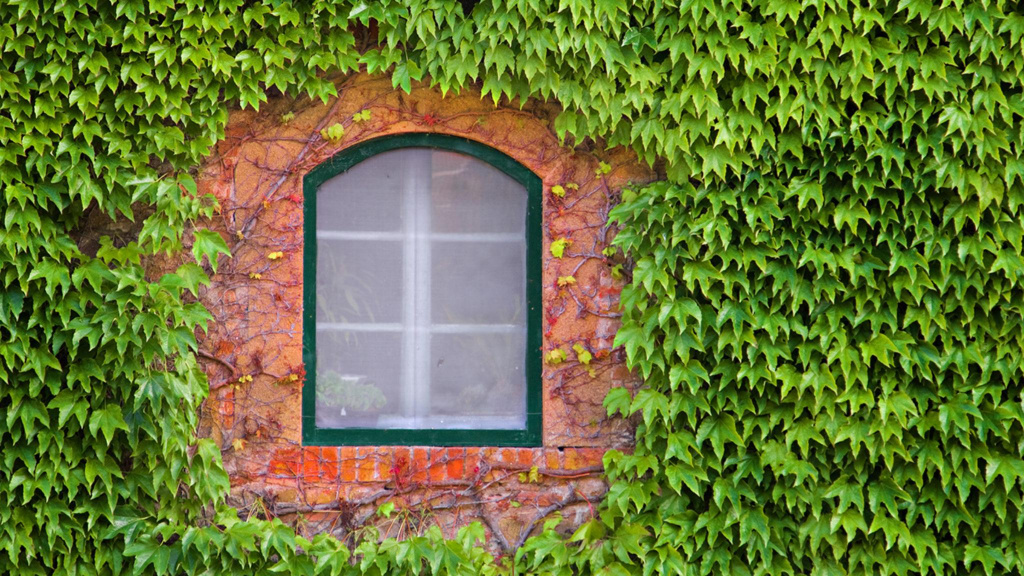

| Description | A vigorous climbing vine that clings to surfaces by aerial rootlets. It has a slow growing, shrubby habit until established, then becomes quite vigorous, producing long, fast growing stems. Lush green foliage is blanketed with magnificent, white lacecap blooms in summer. Deciduous. |
|---|---|
| Bloom Time | Summer |
| Deciduous/Evergreen | Deciduous |
| Special Features | Attracts Pollinators, Fast Growing |
| Problems/Solutions | Erosion Control, Rabbit Resistant |
| Growth Rate | Fast |
| Growth Habit | Climbing |
| Flower Attributes | Flowers for Cutting, Showy Flowers |
| Landscape Use | Privacy Screen, Ground Cover |
| Design Ideas | This is the only Hydrangea that climbs and is so vigorous it can cloak a good-sized house in no time. Being deciduous, it shades walls in summer and lets the sun warm them during winter, thus helping to conserve energy. With its clinging habit, it needs no trellis and will extend up to a second story with ease. Works well as a cloak for fences or to increase an arbor's shade. An inexpensive cover for concrete retaining walls and freestanding barrier walls. |
| Flower Color | White |
| Foliage Color | Green |
| Companion Plants | Euonymus (Euonymus); Coral Bells (Heuchera); Hosta (Hosta); Spreading Yew (Taxus); Boxwood (Buxus) |
| Care Instructions | Thrives in enriched, fertile, well-drained soils. Tolerates full sun in cool climates with consistent moisture. Avoid hot, humid conditions. Water deeply, regularly during first growing season to establish extensive root system. Feed with general purpose fertilizer. Provide support for climbing stems. Prune annually to control size. |
| History | Hydrangea anomala is native to wooded valleys, stream banks and mountain slopes in the Himalayas and China. The subsecies petiolaris (formerly known as Hydrangea petiolaris) is native to eastern Siberia, Japan, China and South Korea. This subspecies produces longer stems and larger flower clusters, and has better winter hardiness. |
| Lore | The genus name Hydrangea comes from hydor meaning water and aggeion meaning vessel, referring to its cup-like capsular fruit. The specific epithet comes from the Greek word anomalas, which refers to the vine-like plant habit. The subspecies name is in reference to the long petioles of this plant. |
Details
| Description | A vigorous climbing vine that clings to surfaces by aerial rootlets. It has a slow growing, shrubby habit until established, then becomes quite vigorous, producing long, fast growing stems. Lush green foliage is blanketed with magnificent, white lacecap blooms in summer. Deciduous. |
|---|---|
| Bloom Time | Summer |
| Deciduous/Evergreen | Deciduous |
| Special Features | Attracts Pollinators, Fast Growing |
| Problems/Solutions | Erosion Control, Rabbit Resistant |
| Growth Rate | Fast |
| Growth Habit | Climbing |
| Flower Attributes | Flowers for Cutting, Showy Flowers |
Style
| Landscape Use | Privacy Screen, Ground Cover |
|---|---|
| Design Ideas | This is the only Hydrangea that climbs and is so vigorous it can cloak a good-sized house in no time. Being deciduous, it shades walls in summer and lets the sun warm them during winter, thus helping to conserve energy. With its clinging habit, it needs no trellis and will extend up to a second story with ease. Works well as a cloak for fences or to increase an arbor's shade. An inexpensive cover for concrete retaining walls and freestanding barrier walls. |
| Flower Color | White |
| Foliage Color | Green |
| Companion Plants | Euonymus (Euonymus); Coral Bells (Heuchera); Hosta (Hosta); Spreading Yew (Taxus); Boxwood (Buxus) |
Care
| Care Instructions | Thrives in enriched, fertile, well-drained soils. Tolerates full sun in cool climates with consistent moisture. Avoid hot, humid conditions. Water deeply, regularly during first growing season to establish extensive root system. Feed with general purpose fertilizer. Provide support for climbing stems. Prune annually to control size. |
|---|
History
| History | Hydrangea anomala is native to wooded valleys, stream banks and mountain slopes in the Himalayas and China. The subsecies petiolaris (formerly known as Hydrangea petiolaris) is native to eastern Siberia, Japan, China and South Korea. This subspecies produces longer stems and larger flower clusters, and has better winter hardiness. |
|---|---|
| Lore | The genus name Hydrangea comes from hydor meaning water and aggeion meaning vessel, referring to its cup-like capsular fruit. The specific epithet comes from the Greek word anomalas, which refers to the vine-like plant habit. The subspecies name is in reference to the long petioles of this plant. |
Retailers Near You
About Us
We have been pioneers and craftsmen in the art of growing plants for 100 years. Since our founding in Southern California by Harry E. Rosedale, Sr. in 1926, we have been absolutely dedicated and obsessed with quality.
We have been pioneers and craftsmen in the art of growing plants for nearly 100 years. Since our founding in Southern California by Harry E. Rosedale, Sr. in 1926, we have been absolutely dedicated and obsessed with quality.