You're growing in this Zip Code:
Change LocationDiscover Plants for Your Area
Crown of Rays Goldenrod
Solidago 'Crown of Rays'
SKU #07103
LIGHT:
Full sun
WATER:
Water when top 3 inches of soil is dry.
SIZE:
Quickly reaches 2 to 3 ft. tall, 1 to 2 ft. wide.

Retailers Near You
Ready to Grow?
Ship Monrovia plants directly to your door. Browse a curated selection available online.
Shop Now >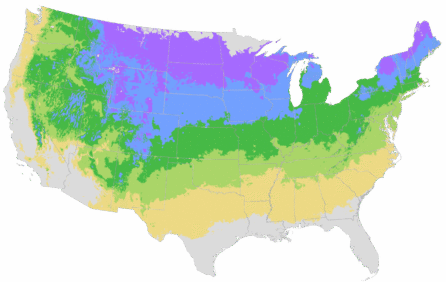
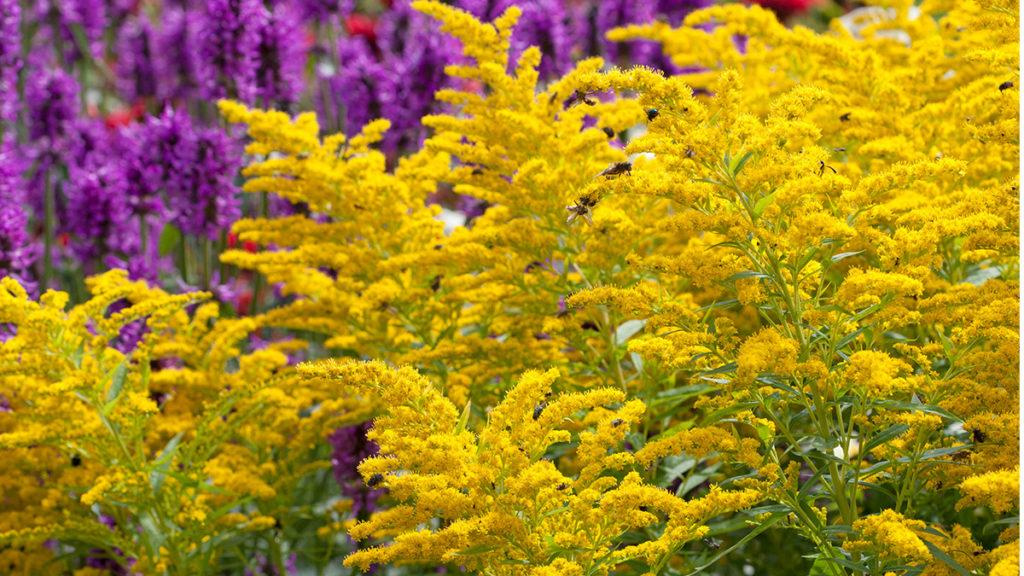
| Description | A robust, easy-care plant with deep green foliage and vibrant flowers that cloak the stems - perfect for adding sunny color to a border or naturalized garden. The large, rich yellow-gold, flattened panicle flowers are a striking addition to cut flower arrangements. Very useful for brightening a late summer or fall bed. An herbaceous perennial. |
|---|---|
| Bloom Time | Midsummer to fall |
| Deciduous/Evergreen | Herbaceous |
| Special Features | Attracts Butterflies, Easy Care, Attracts Pollinators, Fast Growing, Benefits Birds |
| Problems/Solutions | Deer Resistant, Erosion Control, Rabbit Resistant, Drought Tolerant |
| Growth Rate | Fast |
| Growth Habit | Clumping |
| Flower Attributes | Flowers for Cutting, Showy Flowers |
| Landscape Use | Border |
| Design Ideas | Goldenrod is an outstanding plant offering valuable late season color in the perennial border. It's also equally at home in wild gardens or in a prairie setting with grasses and wildflowers. The natives were brought into cottage and country gardens early on for their vivid color. Spot into fence line beds, planting islands in the lawn and foundation beds for front and back yard. Even works well in some rock garden settings and bright sunny spots in gaps of woodlands. |
| Flower Color | Yellow |
| Foliage Color | Dark Green |
| Companion Plants | Little Bluestem (Schizachyrium); Black-Eyed Susan (Rudbeckia): Coneflower (Echinacea); Bee Balm (Monarda); Blazing Star (Liatris spicata) |
| Care Instructions | Provide lean to average, well-drained soil. Plant in an area with good air circulation; do not overcrowd. Water deeply, regularly in first growing season to establish root system. Once established, reduce frequency; prefers regular water, but tolerates moderate drought. Feed in early spring. Seldom requires staking. |
| History | Goldenrod is classified into the Aster family and is eastern America's most common wildflower although some European species were introduced in colonial times. It is the larval food plant of some Lepidoptera butterfly species so it is vital to wildlife habitat. |
Details
| Description | A robust, easy-care plant with deep green foliage and vibrant flowers that cloak the stems - perfect for adding sunny color to a border or naturalized garden. The large, rich yellow-gold, flattened panicle flowers are a striking addition to cut flower arrangements. Very useful for brightening a late summer or fall bed. An herbaceous perennial. |
|---|---|
| Bloom Time | Midsummer to fall |
| Deciduous/Evergreen | Herbaceous |
| Special Features | Attracts Butterflies, Easy Care, Attracts Pollinators, Fast Growing, Benefits Birds |
| Problems/Solutions | Deer Resistant, Erosion Control, Rabbit Resistant, Drought Tolerant |
| Growth Rate | Fast |
| Growth Habit | Clumping |
| Flower Attributes | Flowers for Cutting, Showy Flowers |
Style
| Landscape Use | Border |
|---|---|
| Design Ideas | Goldenrod is an outstanding plant offering valuable late season color in the perennial border. It's also equally at home in wild gardens or in a prairie setting with grasses and wildflowers. The natives were brought into cottage and country gardens early on for their vivid color. Spot into fence line beds, planting islands in the lawn and foundation beds for front and back yard. Even works well in some rock garden settings and bright sunny spots in gaps of woodlands. |
| Flower Color | Yellow |
| Foliage Color | Dark Green |
| Companion Plants | Little Bluestem (Schizachyrium); Black-Eyed Susan (Rudbeckia): Coneflower (Echinacea); Bee Balm (Monarda); Blazing Star (Liatris spicata) |
Care
| Care Instructions | Provide lean to average, well-drained soil. Plant in an area with good air circulation; do not overcrowd. Water deeply, regularly in first growing season to establish root system. Once established, reduce frequency; prefers regular water, but tolerates moderate drought. Feed in early spring. Seldom requires staking. |
|---|
History
| History | Goldenrod is classified into the Aster family and is eastern America's most common wildflower although some European species were introduced in colonial times. It is the larval food plant of some Lepidoptera butterfly species so it is vital to wildlife habitat. |
|---|
Retailers Near You
About Us
We have been pioneers and craftsmen in the art of growing plants for 100 years. Since our founding in Southern California by Harry E. Rosedale, Sr. in 1926, we have been absolutely dedicated and obsessed with quality.
We have been pioneers and craftsmen in the art of growing plants for nearly 100 years. Since our founding in Southern California by Harry E. Rosedale, Sr. in 1926, we have been absolutely dedicated and obsessed with quality.