
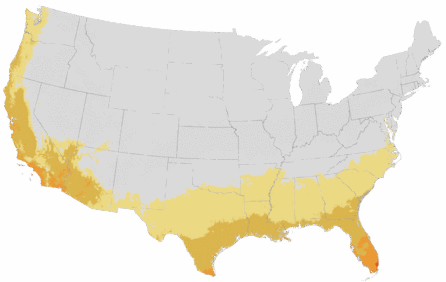
You're growing in this Zip Code:
Change LocationDiscover Plants for Your Area
Dwarf Agapanthus
Agapanthus africanus 'Peter Pan'
Pronunciation: ag-uh-PANTH-us af-ri-KAH-nus
SKU #00175
LIGHT:
Full sun, Partial sun
WATER:
Water when top 3 inches of soil is dry.
SIZE:
Foliage reaches 8 to 12 in. tall and wide; flowers stalks to 18 in. tall.

Retailers Near You

| Description | Beautiful mini version of the popular original! Small clumps give rise to deep-blue flower clusters on erect stalks. Exciting rock garden or border item. Excellent in containers. Evergreen perennial. |
|---|---|
| Bloom Time | Mid-spring |
| Deciduous/Evergreen | Evergreen |
| Special Features | Easy Care, Improved Pest and Disease Resistance, Waterwise, Attracts Pollinators, Compact Form |
| Problems/Solutions | Coastal Exposure |
| Growth Rate | Moderate |
| Growth Habit | Clumping |
| Flower Attributes | Flowers for Cutting, Showy Flowers |
| Landscape Use | Border, Container |
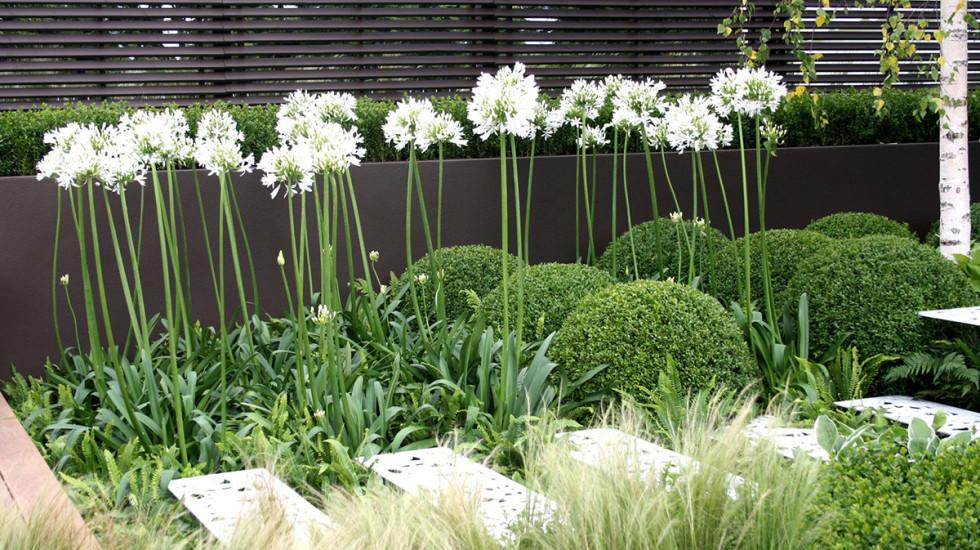
| Design Ideas | Dwarf Agapanthus is a garden work horse filling many roles. Perfect for a tidy edging against walkways or lawn. Spot into the front of borders for a leafy filler and blue flowers in season. Delightful for narrow planters along the base of a white picket fence. Super container plant in pots and bowls along with seasonal color. One of the best choices for tidy swimming pool planting. |
| Flower Color | Blue |
| Foliage Color | Green |
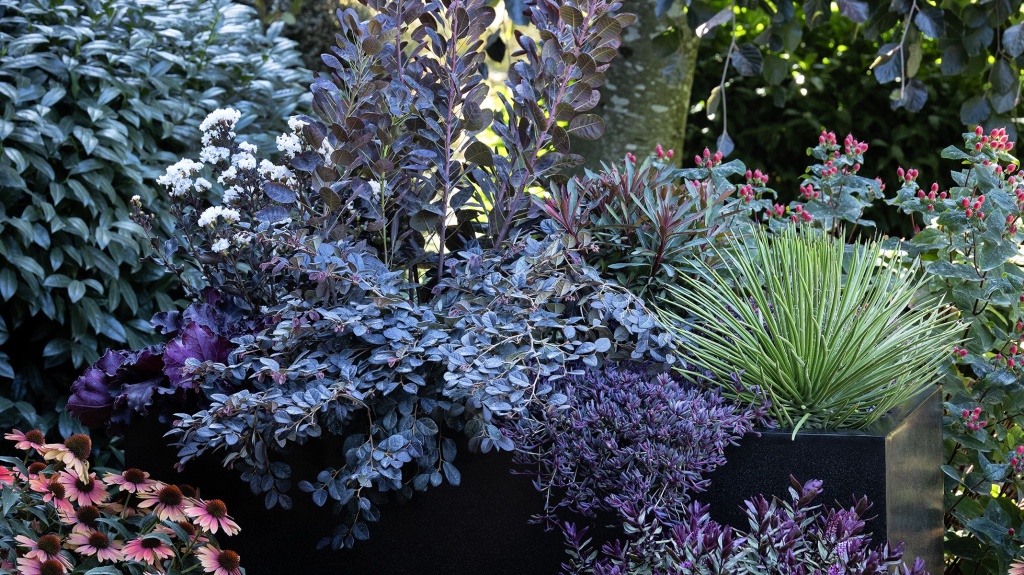
| Companion Plants | Coneflower (Echinacea); Coral Bells (Heuchera); Iris (Iris); Pinks (Dianthus); Shasta Daisy (Chrysanthemum) |
| Care Instructions | Easily grown in average, well-drained soils. Water deeply and regularly during first growing season to establish an extensive root system; once established, reduce frequency. Apply fertilizer before new growth begins in spring; repeat after flowering. Blooms best when undisturbed, but may be divided when overcrowded. |
| History | Despite its name, lily of the Nile, this plant isn't native to Egypt or anywhere near the Nile. It is a native of the rivers and streams of Southern Africa in the coastal mountains of the Cape of Good Hope. The long dry season there has contributed to its drought resistance. The genus was named from the Greek for love flower by a French botanist. This plant is not a true lily either, but a member of the Amaryllis family with only two other species in cultivation, A. campanulatus and A. orientalis. |
| Lore | The flower of Agapanthus inspired art and sculpture of the Modern movement and became a signature of midcentury pop art motifs. |
Details
| Description | Beautiful mini version of the popular original! Small clumps give rise to deep-blue flower clusters on erect stalks. Exciting rock garden or border item. Excellent in containers. Evergreen perennial. |
|---|---|
| Bloom Time | Mid-spring |
| Deciduous/Evergreen | Evergreen |
| Special Features | Easy Care, Improved Pest and Disease Resistance, Waterwise, Attracts Pollinators, Compact Form |
| Problems/Solutions | Coastal Exposure |
| Growth Rate | Moderate |
| Growth Habit | Clumping |
| Flower Attributes | Flowers for Cutting, Showy Flowers |
Style
| Landscape Use | Border, Container |
|---|---|
| Design Ideas | Dwarf Agapanthus is a garden work horse filling many roles. Perfect for a tidy edging against walkways or lawn. Spot into the front of borders for a leafy filler and blue flowers in season. Delightful for narrow planters along the base of a white picket fence. Super container plant in pots and bowls along with seasonal color. One of the best choices for tidy swimming pool planting. |
| Flower Color | Blue |
| Foliage Color | Green |
| Companion Plants | Coneflower (Echinacea); Coral Bells (Heuchera); Iris (Iris); Pinks (Dianthus); Shasta Daisy (Chrysanthemum) |
Care
| Care Instructions | Easily grown in average, well-drained soils. Water deeply and regularly during first growing season to establish an extensive root system; once established, reduce frequency. Apply fertilizer before new growth begins in spring; repeat after flowering. Blooms best when undisturbed, but may be divided when overcrowded. |
|---|
History
| History | Despite its name, lily of the Nile, this plant isn't native to Egypt or anywhere near the Nile. It is a native of the rivers and streams of Southern Africa in the coastal mountains of the Cape of Good Hope. The long dry season there has contributed to its drought resistance. The genus was named from the Greek for love flower by a French botanist. This plant is not a true lily either, but a member of the Amaryllis family with only two other species in cultivation, A. campanulatus and A. orientalis. |
|---|---|
| Lore | The flower of Agapanthus inspired art and sculpture of the Modern movement and became a signature of midcentury pop art motifs. |
Retailers Near You
About Us
We have been pioneers and craftsmen in the art of growing plants for 100 years. Since our founding in Southern California by Harry E. Rosedale, Sr. in 1926, we have been absolutely dedicated and obsessed with quality.
We have been pioneers and craftsmen in the art of growing plants for nearly 100 years. Since our founding in Southern California by Harry E. Rosedale, Sr. in 1926, we have been absolutely dedicated and obsessed with quality.