
You're growing in this Zip Code:
Change LocationDiscover Plants for Your Area
Dwarf English Boxwood
Buxus sempervirens 'Suffruticosa'
Pronunciation: BUK-sus sem-per-VY-renz
SKU #01398
LIGHT:
Full sun, Partial sun
WATER:
Water when top 3 inches of soil is dry.
SIZE:
Slowly reaches 1 to 2 ft. tall and wide.

Retailers Near You
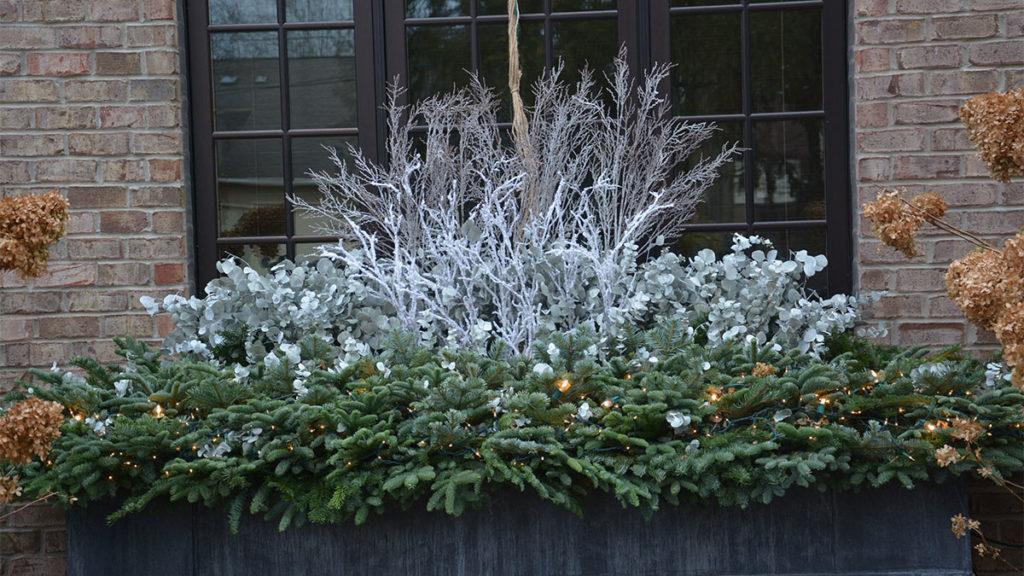
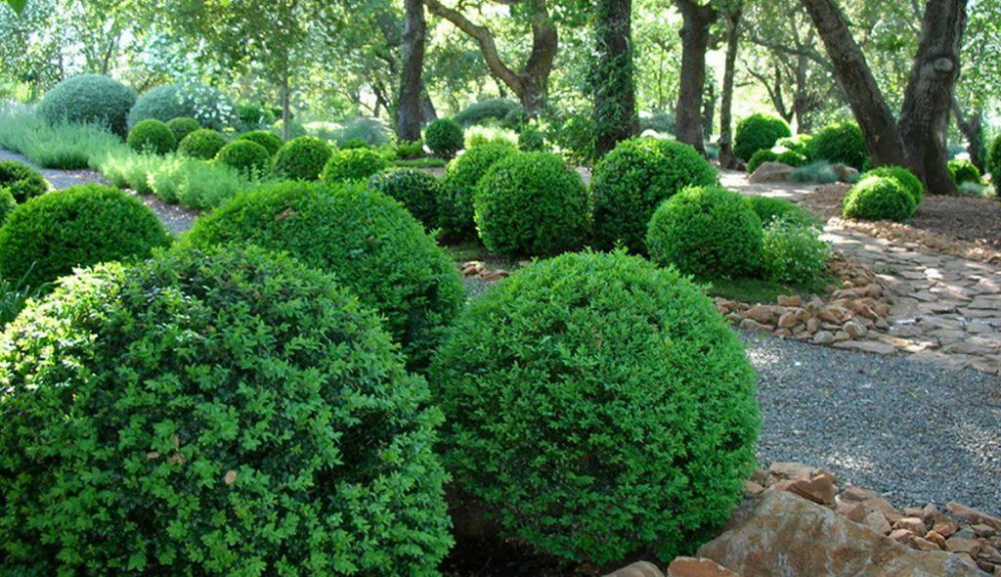
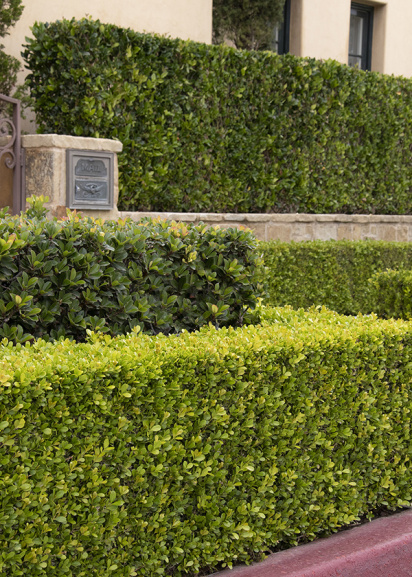

| Description | A small, rounded evergreen shrub that forms tufts of growth resembling a cloud if left unpruned. The slow growing, dwarf form is ideal for edging and borders along pathways or around flower beds. Well-suited for topiary and containers. Considered to be the most resistant to the boxwood leaf miner. |
|---|---|
| Bloom Time | Inconspicuous; prized for foliage. |
| Deciduous/Evergreen | Evergreen |
| Special Features | Easy Care, Compact Form |
| Problems/Solutions | Deer Resistant, Rabbit Resistant |
| Growth Rate | Slow |
| Growth Habit | Rounded |
| Landscape Use | Border, Container, Hedge, Suitable for Topiary, Edging |
| Foliage Color | Green |
| Companion Plants | Spirea (Spiraea); Weigela (Weigela); Lilac (Syringa); Maiden Grass (Miscanthus); Coneflower (Echinacea); Gayfeather (Liatris) |
| Care Instructions | Thrives in enriched, well-drained, neutral to slightly acidic soils. Mulch root zone to conserve moisture and to keep roots cool. Water deeply and regularly during the first few growing seasons to establish an extensive root system; reduce frequency once established. Apply fertilizer in early spring. Prune periodically to shape. |
| Lore | A Latin translation for Buxus is 'box'and the name may have been derived from its use to make small, finely carved boxes known in Greek as pyxos. Buxus is also Latin for flute; it is said that Roman gardener Pliny grew Buxus for making musical instruments. Dating back to 4,000 BC, Egyptians used clipped box hedges in their gardens. In Britain, three burial sites of the Roman era featured coffins lined with sprays of evergreen box. During the reign of Emperor Augustus, villas were planted with boxwood hedging and topiary, and during the reign of Henry V11, it has been written that Tudor gardens featured clipped boxwood knot gardens with thrift or cotton lavender bordering them. |
Details
| Description | A small, rounded evergreen shrub that forms tufts of growth resembling a cloud if left unpruned. The slow growing, dwarf form is ideal for edging and borders along pathways or around flower beds. Well-suited for topiary and containers. Considered to be the most resistant to the boxwood leaf miner. |
|---|---|
| Bloom Time | Inconspicuous; prized for foliage. |
| Deciduous/Evergreen | Evergreen |
| Special Features | Easy Care, Compact Form |
| Problems/Solutions | Deer Resistant, Rabbit Resistant |
| Growth Rate | Slow |
| Growth Habit | Rounded |
Style
| Landscape Use | Border, Container, Hedge, Suitable for Topiary, Edging |
|---|---|
| Foliage Color | Green |
| Companion Plants | Spirea (Spiraea); Weigela (Weigela); Lilac (Syringa); Maiden Grass (Miscanthus); Coneflower (Echinacea); Gayfeather (Liatris) |
Care
| Care Instructions | Thrives in enriched, well-drained, neutral to slightly acidic soils. Mulch root zone to conserve moisture and to keep roots cool. Water deeply and regularly during the first few growing seasons to establish an extensive root system; reduce frequency once established. Apply fertilizer in early spring. Prune periodically to shape. |
|---|
History
| Lore | A Latin translation for Buxus is 'box'and the name may have been derived from its use to make small, finely carved boxes known in Greek as pyxos. Buxus is also Latin for flute; it is said that Roman gardener Pliny grew Buxus for making musical instruments. Dating back to 4,000 BC, Egyptians used clipped box hedges in their gardens. In Britain, three burial sites of the Roman era featured coffins lined with sprays of evergreen box. During the reign of Emperor Augustus, villas were planted with boxwood hedging and topiary, and during the reign of Henry V11, it has been written that Tudor gardens featured clipped boxwood knot gardens with thrift or cotton lavender bordering them. |
|---|
Retailers Near You
About Us
We have been pioneers and craftsmen in the art of growing plants for 100 years. Since our founding in Southern California by Harry E. Rosedale, Sr. in 1926, we have been absolutely dedicated and obsessed with quality.
We have been pioneers and craftsmen in the art of growing plants for nearly 100 years. Since our founding in Southern California by Harry E. Rosedale, Sr. in 1926, we have been absolutely dedicated and obsessed with quality.