
You're growing in this Zip Code:
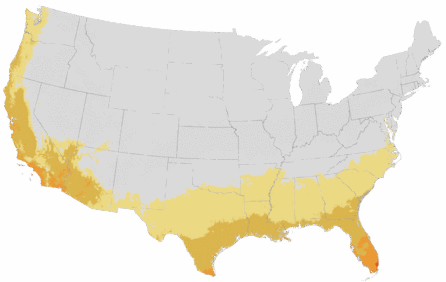
Change LocationDiscover Plants for Your Area
Dwarf Euryops
Euryops pectinatus 'Munchkin'
Pronunciation: EW-ree-ops pek-ti-NAH-tus
SKU #03556
LIGHT:
Full sun
WATER:
Once established, water occasionally.
SIZE:
Moderate growing; reaches 3 ft. tall, 4 ft. wide.

Retailers Near You

| Description | A small, compact, evergreen shrub with finely cut gray-green foliage and bright yellow daisy-like flowers. The showy blooms blanket this reliable performer most of the year in mild winter areas. Use as a colorful annual in colder winter regions. |
|---|---|
| Bloom Time | Heaviest in spring, repeating to frost. |
| Deciduous/Evergreen | Evergreen |
| Special Features | Easy Care, Waterwise, Compact Form |
| Problems/Solutions | Coastal Exposure, Tolerates Urban Pollution |
| Growth Rate | Moderate |
| Growth Habit | Upright |
| Flower Attributes | Repeat Flowering, Showy Flowers |
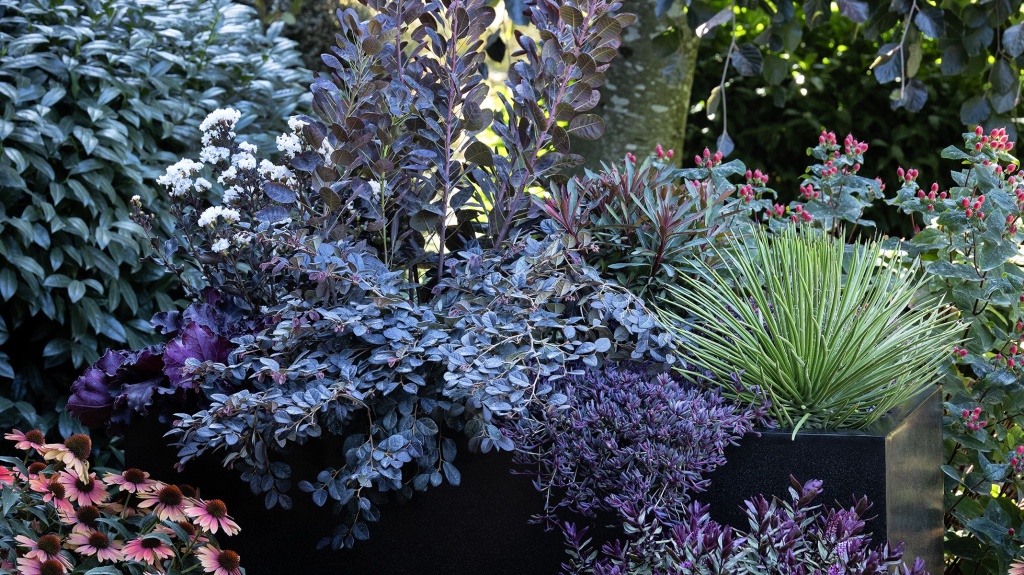
| Landscape Use | Border, Container |
| Design Ideas | These free-blooming shrubs are dwarfed to fit into smaller spaces. Use as edging or in plant in masses for a bold color statement. Line driveways and walkways with them to clean up the edges, and combine with other desert hot-zone plants that stand up to inland conditions. |
| Flower Color | Yellow |
| Foliage Color | Gray-green |
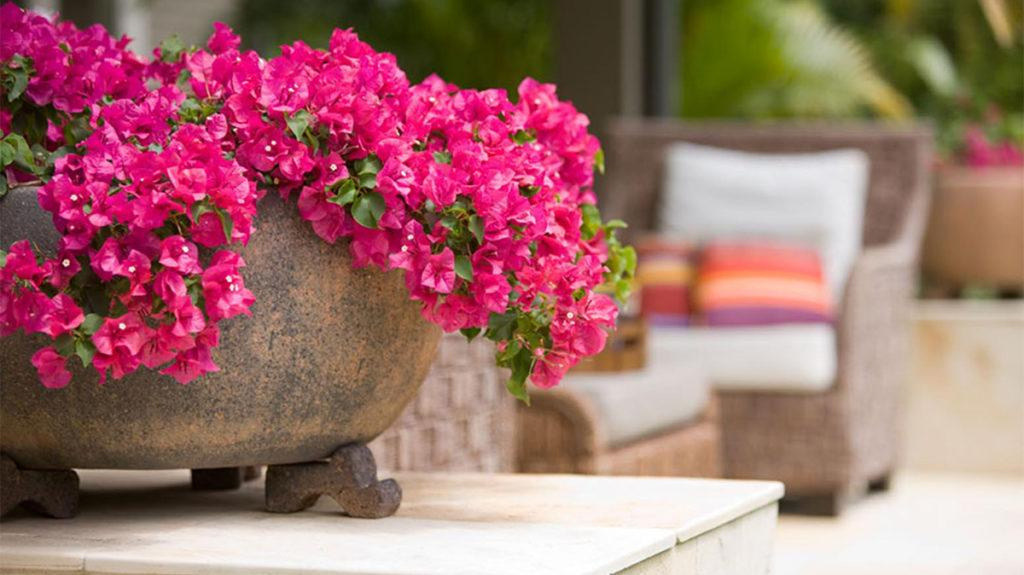
| Companion Plants | Princess Flower (Tibouchina); Salvia (Salvia); Plumbago (Plumbago); Bougainvillea (Bougainvillea); Bird of Paradise (Strelitzia) |
| Care Instructions | Grows easily in average, well-drained soils. Water deeply, regularly during the first growing season to develop an extensive root system. Once established in the landscape, reduce frequency; continue to water container plants regularly. Fertilize before new growth begins in spring. For a formal appearance, prune annually after flowering. |
| History | The daisy flowers of this popular plant points to its inclusion into the Compositae, and it is further classified into the Senecio Tribe within that family. This genus was classified by a little known French aristocratic botanist, Comte de Alesandre Cassini, 1781-1832. The genus consists of about 50 species of evergreens mostly native to the mild climate of South Africa. This species could have been among those early descriptions of Carl Thunberg, a physician and botanist who spent three years in that region and was considered the father of South African botany.His work, when studied later in Europe revealed many plants classified by the noted leaders in the new system of binomial nomenclature instituted by Carolus Linnaeus of Sweden. This is a newer dwarf form is a garden variety. |
Details
| Description | A small, compact, evergreen shrub with finely cut gray-green foliage and bright yellow daisy-like flowers. The showy blooms blanket this reliable performer most of the year in mild winter areas. Use as a colorful annual in colder winter regions. |
|---|---|
| Bloom Time | Heaviest in spring, repeating to frost. |
| Deciduous/Evergreen | Evergreen |
| Special Features | Easy Care, Waterwise, Compact Form |
| Problems/Solutions | Coastal Exposure, Tolerates Urban Pollution |
| Growth Rate | Moderate |
| Growth Habit | Upright |
| Flower Attributes | Repeat Flowering, Showy Flowers |
Style
| Landscape Use | Border, Container |
|---|---|
| Design Ideas | These free-blooming shrubs are dwarfed to fit into smaller spaces. Use as edging or in plant in masses for a bold color statement. Line driveways and walkways with them to clean up the edges, and combine with other desert hot-zone plants that stand up to inland conditions. |
| Flower Color | Yellow |
| Foliage Color | Gray-green |
| Companion Plants | Princess Flower (Tibouchina); Salvia (Salvia); Plumbago (Plumbago); Bougainvillea (Bougainvillea); Bird of Paradise (Strelitzia) |
Care
| Care Instructions | Grows easily in average, well-drained soils. Water deeply, regularly during the first growing season to develop an extensive root system. Once established in the landscape, reduce frequency; continue to water container plants regularly. Fertilize before new growth begins in spring. For a formal appearance, prune annually after flowering. |
|---|
History
| History | The daisy flowers of this popular plant points to its inclusion into the Compositae, and it is further classified into the Senecio Tribe within that family. This genus was classified by a little known French aristocratic botanist, Comte de Alesandre Cassini, 1781-1832. The genus consists of about 50 species of evergreens mostly native to the mild climate of South Africa. This species could have been among those early descriptions of Carl Thunberg, a physician and botanist who spent three years in that region and was considered the father of South African botany.His work, when studied later in Europe revealed many plants classified by the noted leaders in the new system of binomial nomenclature instituted by Carolus Linnaeus of Sweden. This is a newer dwarf form is a garden variety. |
|---|
Retailers Near You
About Us
We have been pioneers and craftsmen in the art of growing plants for 100 years. Since our founding in Southern California by Harry E. Rosedale, Sr. in 1926, we have been absolutely dedicated and obsessed with quality.
We have been pioneers and craftsmen in the art of growing plants for nearly 100 years. Since our founding in Southern California by Harry E. Rosedale, Sr. in 1926, we have been absolutely dedicated and obsessed with quality.