
You're growing in this Zip Code:
Change LocationDiscover Plants for Your Area
Dwarf Fothergilla
Fothergilla gardenii
Pronunciation: foth-er-GIL-a gar-DE-ne-i
SKU #03717
LIGHT:
Full sun, Partial sun
WATER:
Keep soil moist, but not soggy.
SIZE:
Slow growing; reaches 2 to 3 ft. tall, 3 to 4 ft. wide, or wider.

Retailers Near You
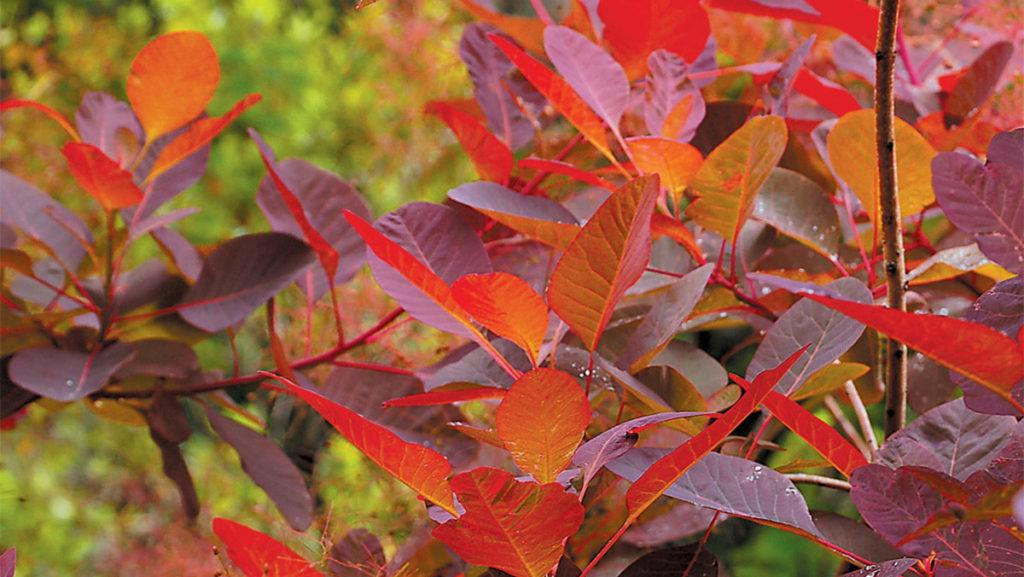
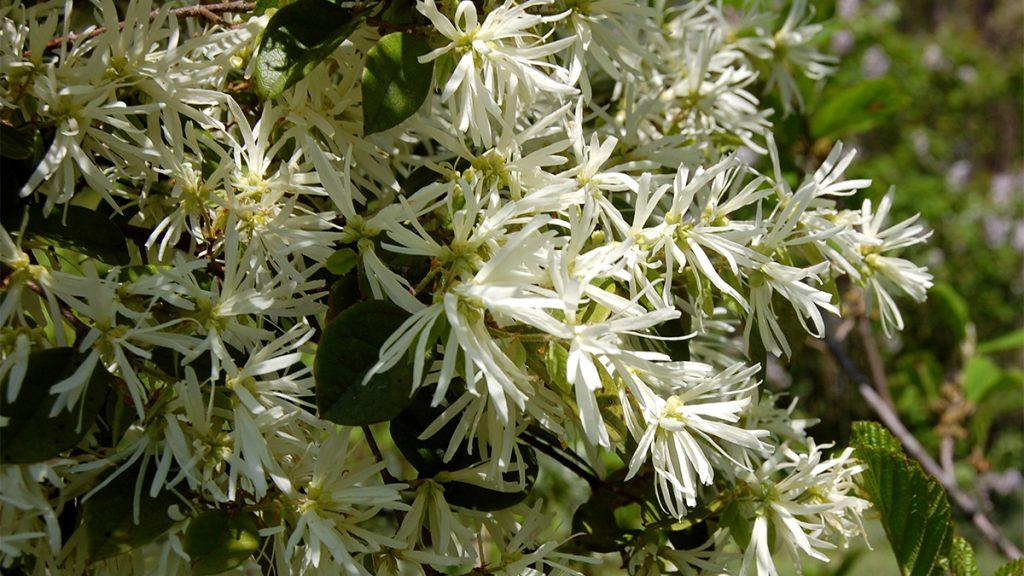

| Description | A valuable compact ornamental shrub used for hedges and borders to provide multi-season interest in the landscape. Fragrant, creamy white, fuzzy, bottlebrush flowers cover the low, mounded, dense form in spring, followed by thick, toothy blue-green leaves in summer. Fall foliage is a brilliant medley of yellow, red, and orange. Deciduous. |
|---|---|
| Bloom Time | Spring |
| Deciduous/Evergreen | Deciduous |
| Special Features | Easy Care, Fall Color, North American Native, Benefits Birds |
| Problems/Solutions | Very Wet Areas |
| Growth Rate | Slow |
| Flower Attributes | Fragrant, Showy Flowers |
| Landscape Use | Border, Hedge |
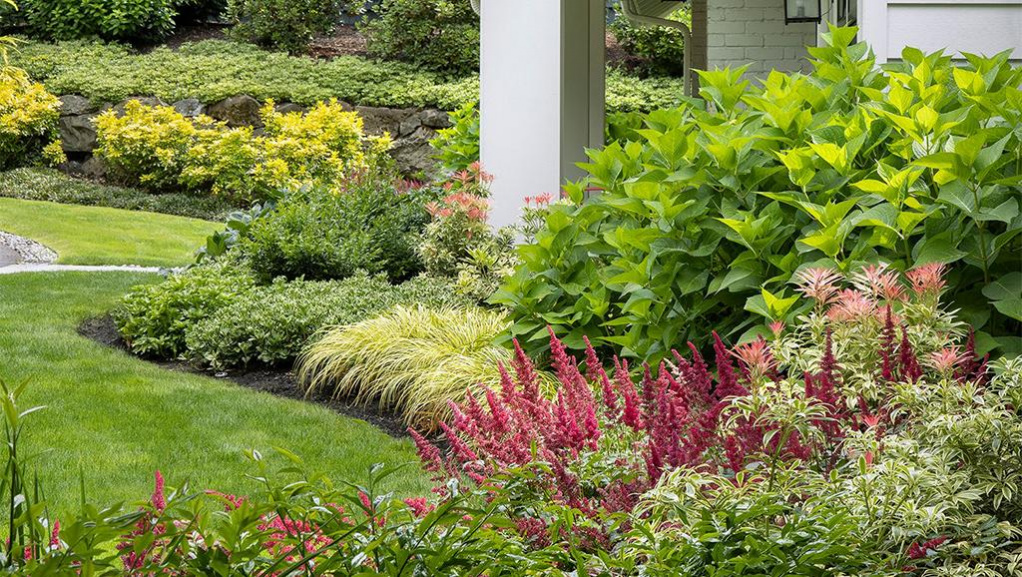
| Design Ideas | Plant this lovely native in shade gardens or in wooded settings where its rangy character and white flower spikes are appreciated. Use as a single specimen for accent planting or mix into casual shrub borders or with other natives that need a color boost in spring or fall. Native to forest floors, it is perfectly at home in a woodland garden with conifers and hardwoods. |
| Flower Color | White |
| Foliage Color | Blue-green |
| Foliage Fall Color | Red |
| Companion Plants | Witch Hazel (Hamamelis); Beautyberry (Callicarpa); Weigela (Weigela); Strawberry Bush (Euonymus americanus); Alaskan Fern (Polystichum setiferum) |
| Care Instructions | Thrives in organically rich, slightly acidic, moist, well-drained soils. Water deeply, regularly during first growing season to establish an extensive root system; once established, water regularly to maintain evenly moist soil. Feed regularly during the growing season. Prune annually in late winter to promote vigorous new growth. |
| History | This American native is grouped in the witchhazel family. Its natural range is limited to isolated stands over the southeast from North Carolina to southern Alabama. Plants exist only in low lying damp wetlands. It was classified in 1765 by German botanist Johann Murray as one of three species in this genus. Linnaeus named the plant after a contemporary, John Fothergill, the English physician who introduced this and many other American natives to Europe. |
Details
| Description | A valuable compact ornamental shrub used for hedges and borders to provide multi-season interest in the landscape. Fragrant, creamy white, fuzzy, bottlebrush flowers cover the low, mounded, dense form in spring, followed by thick, toothy blue-green leaves in summer. Fall foliage is a brilliant medley of yellow, red, and orange. Deciduous. |
|---|---|
| Bloom Time | Spring |
| Deciduous/Evergreen | Deciduous |
| Special Features | Easy Care, Fall Color, North American Native, Benefits Birds |
| Problems/Solutions | Very Wet Areas |
| Growth Rate | Slow |
| Flower Attributes | Fragrant, Showy Flowers |
Style
| Landscape Use | Border, Hedge |
|---|---|
| Design Ideas | Plant this lovely native in shade gardens or in wooded settings where its rangy character and white flower spikes are appreciated. Use as a single specimen for accent planting or mix into casual shrub borders or with other natives that need a color boost in spring or fall. Native to forest floors, it is perfectly at home in a woodland garden with conifers and hardwoods. |
| Flower Color | White |
| Foliage Color | Blue-green |
| Foliage Fall Color | Red |
| Companion Plants | Witch Hazel (Hamamelis); Beautyberry (Callicarpa); Weigela (Weigela); Strawberry Bush (Euonymus americanus); Alaskan Fern (Polystichum setiferum) |
Care
| Care Instructions | Thrives in organically rich, slightly acidic, moist, well-drained soils. Water deeply, regularly during first growing season to establish an extensive root system; once established, water regularly to maintain evenly moist soil. Feed regularly during the growing season. Prune annually in late winter to promote vigorous new growth. |
|---|
History
| History | This American native is grouped in the witchhazel family. Its natural range is limited to isolated stands over the southeast from North Carolina to southern Alabama. Plants exist only in low lying damp wetlands. It was classified in 1765 by German botanist Johann Murray as one of three species in this genus. Linnaeus named the plant after a contemporary, John Fothergill, the English physician who introduced this and many other American natives to Europe. |
|---|
Retailers Near You
About Us
We have been pioneers and craftsmen in the art of growing plants for 100 years. Since our founding in Southern California by Harry E. Rosedale, Sr. in 1926, we have been absolutely dedicated and obsessed with quality.
We have been pioneers and craftsmen in the art of growing plants for nearly 100 years. Since our founding in Southern California by Harry E. Rosedale, Sr. in 1926, we have been absolutely dedicated and obsessed with quality.