
You're growing in this Zip Code:
Change LocationDiscover Plants for Your Area
Dwarf Japanese Garden Juniper
Juniperus procumbens 'Nana'
Pronunciation: ju-NIP-er-us pro-KUM-benz NAH-na
SKU #05090
LIGHT:
Full sun, Partial sun
WATER:
Water when top 2 inches of soil is dry.
SIZE:
Grows 1 ft. tall, 6 ft. wide, in natural form; 2 to 4 ft. tall in staked form.

Home Delivery Price
?
- Arrives in 3 to 7 days
- Free shipping on orders over $149
- Perfect Start Promise
Select Quantity
Retailers Near You
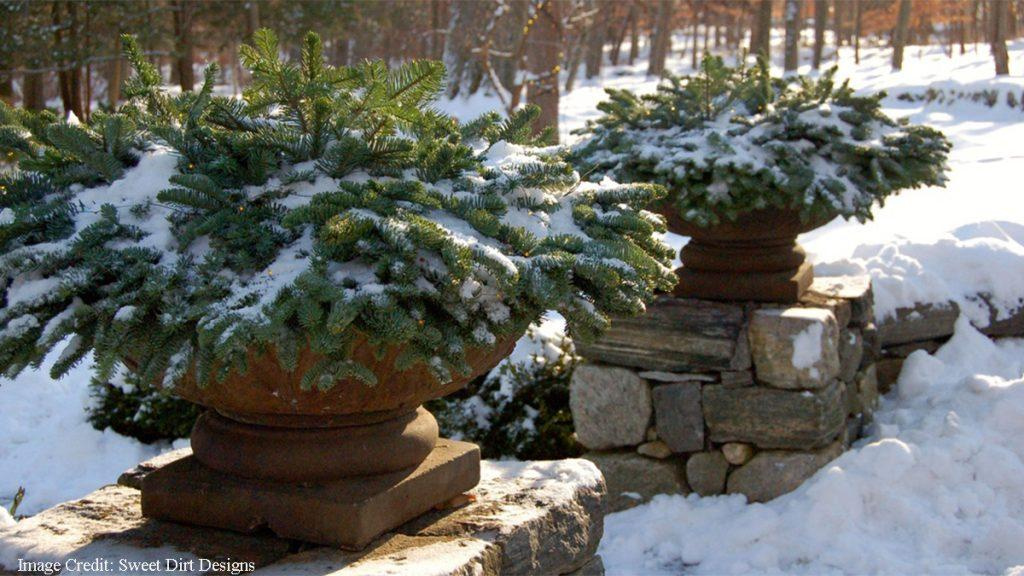
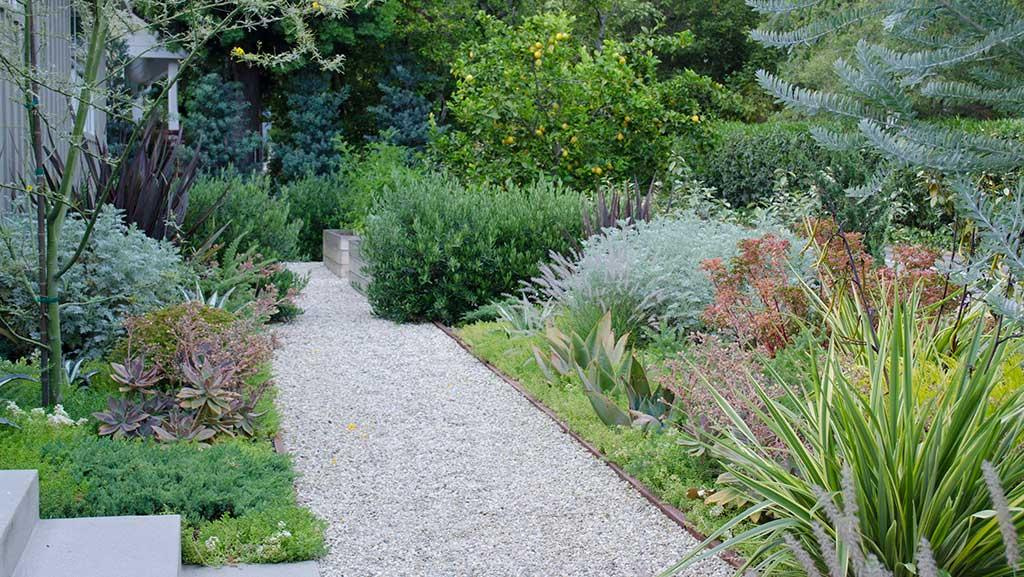
| Description | A dense mound of ground-hugging branches that radiate from the center. Bright green new growth turns a handsome blue-green as it matures. Winter color has a purple tinge. A wonderful evergreen for a group planting on a rocky slope, or trained into an upright staked specimen. Foliage and form is superb when left unpruned. |
|---|---|
| Bloom Time | Conifer; prized for foliage. |
| Deciduous/Evergreen | Evergreen |
| Special Features | Easy Care, Improved Pest and Disease Resistance, Waterwise, Heat Loving, Compact Form |
| Problems/Solutions | Coastal Exposure, Deer Resistant, Erosion Control, Rabbit Resistant |
| Growth Rate | Moderate |
| Landscape Use | Border, Container, Ground Cover, Suitable for Topiary, Hillside |
| Design Ideas | This is probably the best bonsai-style Juniper for Asian gardens or for small topiary. Super tight foliage and lovely blue-green tint makes a neat mound. Perfect with rocks and in rock gardens or around natural rocky water features. Because it is available in so many preshaped forms, you can choose one for a formal setting, another for true bonsai and a third for a courtyard specimen with multiple branches. Highly recommended for tiny city gardens; if there's room for only one Juniper, let it be this one. |
| Foliage Color | Blue-green |
| Companion Plants | Rose (Rosa); Heavenly Bamboo (Nandina); Catmint (Nepeta); Russian Sage (Perovskia); Barberry (Berberis); Maiden Grass (Miscanthus) |
| Care Instructions | Easily grown in sandy soils on the dry side; adaptable to a wide range of well-drained soils. Water deeply, regularly during first growing season to establish an extensive root system; reduce frequency once established. Apply fertilizer before new growth begins in spring. Prune topiary forms regularly to maintain shape and size. |
| History | J. procumbens is native to southern Japan. Its exact origin is still under dispute. It is believed to be wild to either the mountain areas of the Japanese island of Kyushu, or the coastal regions of southern Japan and Korea. The 'Nana' culitivar is probably the most widely grown ornamental and is commonly used in bonsai. |
Details
| Description | A dense mound of ground-hugging branches that radiate from the center. Bright green new growth turns a handsome blue-green as it matures. Winter color has a purple tinge. A wonderful evergreen for a group planting on a rocky slope, or trained into an upright staked specimen. Foliage and form is superb when left unpruned. |
|---|---|
| Bloom Time | Conifer; prized for foliage. |
| Deciduous/Evergreen | Evergreen |
| Special Features | Easy Care, Improved Pest and Disease Resistance, Waterwise, Heat Loving, Compact Form |
| Problems/Solutions | Coastal Exposure, Deer Resistant, Erosion Control, Rabbit Resistant |
| Growth Rate | Moderate |
Style
| Landscape Use | Border, Container, Ground Cover, Suitable for Topiary, Hillside |
|---|---|
| Design Ideas | This is probably the best bonsai-style Juniper for Asian gardens or for small topiary. Super tight foliage and lovely blue-green tint makes a neat mound. Perfect with rocks and in rock gardens or around natural rocky water features. Because it is available in so many preshaped forms, you can choose one for a formal setting, another for true bonsai and a third for a courtyard specimen with multiple branches. Highly recommended for tiny city gardens; if there's room for only one Juniper, let it be this one. |
| Foliage Color | Blue-green |
| Companion Plants | Rose (Rosa); Heavenly Bamboo (Nandina); Catmint (Nepeta); Russian Sage (Perovskia); Barberry (Berberis); Maiden Grass (Miscanthus) |
Care
| Care Instructions | Easily grown in sandy soils on the dry side; adaptable to a wide range of well-drained soils. Water deeply, regularly during first growing season to establish an extensive root system; reduce frequency once established. Apply fertilizer before new growth begins in spring. Prune topiary forms regularly to maintain shape and size. |
|---|
History
| History | J. procumbens is native to southern Japan. Its exact origin is still under dispute. It is believed to be wild to either the mountain areas of the Japanese island of Kyushu, or the coastal regions of southern Japan and Korea. The 'Nana' culitivar is probably the most widely grown ornamental and is commonly used in bonsai. |
|---|
Retailers Near You
About Us
We have been pioneers and craftsmen in the art of growing plants for 100 years. Since our founding in Southern California by Harry E. Rosedale, Sr. in 1926, we have been absolutely dedicated and obsessed with quality.
We have been pioneers and craftsmen in the art of growing plants for nearly 100 years. Since our founding in Southern California by Harry E. Rosedale, Sr. in 1926, we have been absolutely dedicated and obsessed with quality.