
You're growing in this Zip Code:
Change LocationDiscover Plants for Your Area
Ebbinge's Silverberry
Elaeagnus x ebbingei
Pronunciation: e-le-AG-nus eb-BING-e-i
SKU #03190
LIGHT:
Full sun
WATER:
Water when top 3 inches of soil is dry.
SIZE:
Quickly reaches 8 to 10 ft. tall and wide.

Retailers Near You
Ready to Grow?
Ship Monrovia plants directly to your door. Browse a curated selection available online.
Shop Now >
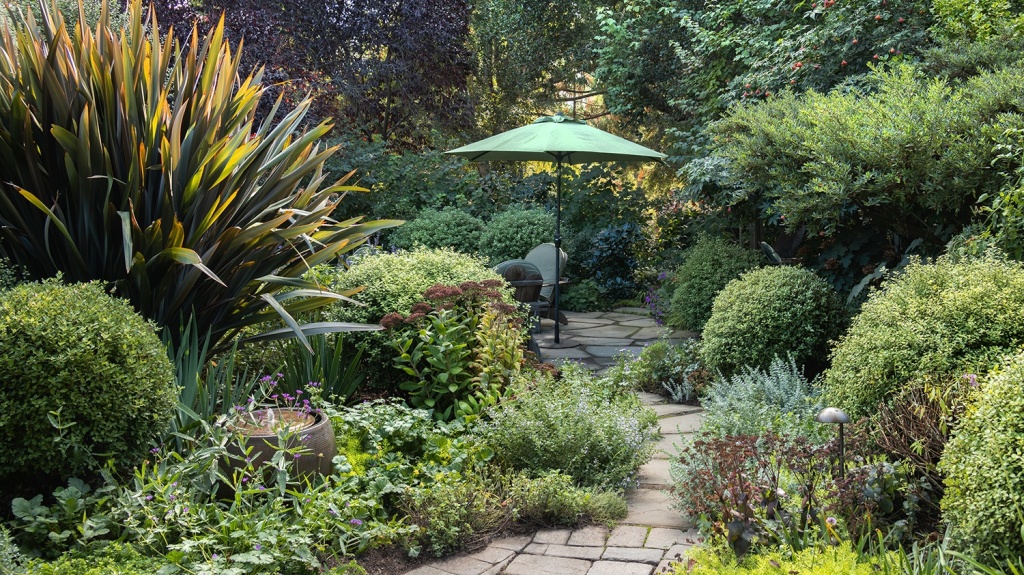
| Description | A dense evergreen shrub with upright, spineless branches densely cloaked with silver-scaled green foliage. Stems and new growth are accentuated by brown scales. Very small, intensely fragrant flowers open in fall and are followed by small red berries. An excellent hedge, foundation shrub or small accent tree. Evergreen in mild winter climates. |
|---|---|
| Bloom Time | Fall |
| Deciduous/Evergreen | Evergreen |
| Special Features | Dramatic Foliage Color, Easy Care, Ornamental Berries, Waterwise, Non-toxic to Cats and Dogs, Fast Growing, Benefits Birds |
| Problems/Solutions | Coastal Exposure, Erosion Control, Dry Shade, Drought Tolerant |
| Growth Rate | Fast |
| Growth Habit | Rounded |
| Flower Attributes | Fragrant |
| Landscape Use | Border, Hedge, Privacy Screen, Windbreak |
| Design Ideas | Ideal for foundations, fence lines and background plantings. Plant close to outdoor living spaces to appreciate its fragrant blooms. A fine, dense hedge with plenty of interest in every season. Fast growing, it is an ideal cover-up and at maturity may be pruned into a small accent tree. |
| Flower Color | White |
| Foliage Color | Green |
| Companion Plants | Barberry (Berberis); Loropetalum (Loropetalum); Coneflower (Echinacea); Euonymus (Euonymus); Coral Bells (Heuchera) |
| Care Instructions | Thrives in light, loamy or sandy, well-drained soil with full to part sun, but tolerates a range of conditions including dry shade and poor soil; avoid soggy soils. Water deeply and regularly during first growing season to establish an extensive root system; reduce frequency once established. Apply fertilizer before new growth begins in spring. |
| History | A hybrid species of garden origin, Eleagnus x ebbinge is the result of a cross between E. macrophylla and E. pungens (or perhaps E. x reflexa). Quite similar and often confused with E. pungens, but easily distinguished by the presence of large, sharp thorns on E. pungens, in comparison with the smooth branches of E. ebbinigei. |
Details
| Description | A dense evergreen shrub with upright, spineless branches densely cloaked with silver-scaled green foliage. Stems and new growth are accentuated by brown scales. Very small, intensely fragrant flowers open in fall and are followed by small red berries. An excellent hedge, foundation shrub or small accent tree. Evergreen in mild winter climates. |
|---|---|
| Bloom Time | Fall |
| Deciduous/Evergreen | Evergreen |
| Special Features | Dramatic Foliage Color, Easy Care, Ornamental Berries, Waterwise, Non-toxic to Cats and Dogs, Fast Growing, Benefits Birds |
| Problems/Solutions | Coastal Exposure, Erosion Control, Dry Shade, Drought Tolerant |
| Growth Rate | Fast |
| Growth Habit | Rounded |
| Flower Attributes | Fragrant |
Style
| Landscape Use | Border, Hedge, Privacy Screen, Windbreak |
|---|---|
| Design Ideas | Ideal for foundations, fence lines and background plantings. Plant close to outdoor living spaces to appreciate its fragrant blooms. A fine, dense hedge with plenty of interest in every season. Fast growing, it is an ideal cover-up and at maturity may be pruned into a small accent tree. |
| Flower Color | White |
| Foliage Color | Green |
| Companion Plants | Barberry (Berberis); Loropetalum (Loropetalum); Coneflower (Echinacea); Euonymus (Euonymus); Coral Bells (Heuchera) |
Care
| Care Instructions | Thrives in light, loamy or sandy, well-drained soil with full to part sun, but tolerates a range of conditions including dry shade and poor soil; avoid soggy soils. Water deeply and regularly during first growing season to establish an extensive root system; reduce frequency once established. Apply fertilizer before new growth begins in spring. |
|---|
History
| History | A hybrid species of garden origin, Eleagnus x ebbinge is the result of a cross between E. macrophylla and E. pungens (or perhaps E. x reflexa). Quite similar and often confused with E. pungens, but easily distinguished by the presence of large, sharp thorns on E. pungens, in comparison with the smooth branches of E. ebbinigei. |
|---|
Retailers Near You
About Us
We have been pioneers and craftsmen in the art of growing plants for 100 years. Since our founding in Southern California by Harry E. Rosedale, Sr. in 1926, we have been absolutely dedicated and obsessed with quality.
We have been pioneers and craftsmen in the art of growing plants for nearly 100 years. Since our founding in Southern California by Harry E. Rosedale, Sr. in 1926, we have been absolutely dedicated and obsessed with quality.