
You're growing in this Zip Code:
Change LocationDiscover Plants for Your Area

Emerald Isle® Leyland Cypress
x Cupressocyparis leylandii 'Moncal'
Pronunciation: ku-pres-o-SI-pa-ris la-LAN-de-i
SKU #03051
LIGHT:
Full sun
WATER:
Water when top 2 inches of soil is dry.
SIZE:
Grows 25 ft. tall, 8 ft. wide in natural form.

Retailers Near You
Ready to Grow?
Ship Monrovia plants directly to your door. Browse a curated selection available online.
Shop Now >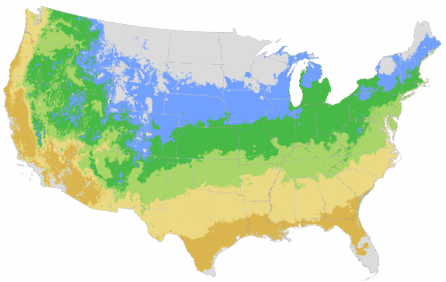

| Description | A neat, uniform shape that needs no trimming when used in natural form. Graceful yet strong, fairly narrow pyramidal growth with soft, bright green foliage on flat sprays. An excellent tall screen or windbreak. Use formal topiary shapes to accent borders or entryways, in containers or in the landscape. Evergreen. |
|---|---|
| Bloom Time | Conifer; prized for foliage. |
| Deciduous/Evergreen | Evergreen |
| Special Features | Easy Care, Waterwise, Fast Growing |
| Problems/Solutions | Coastal Exposure, Deer Resistant |
| Growth Rate | Moderate |
| Landscape Use | Hedge, Privacy Screen, Windbreak |
| Design Ideas | A cold hardy alternative to Italian cypress that adds Mediterranean character to landscapes. Outstanding against warm colored stucco walls or in conjunction with rectangular Moroccan style swimming pools. Exploit the columnar form in formal garden design by using as a matched pair to flank doorway, gate, art or a fountain. Use in the English style to create a staccato background of deep green colonnade at the back of a mixed border. Tall enough to provide screening from neighboring second story windows when more tightly spaced. |
| Foliage Color | Green |
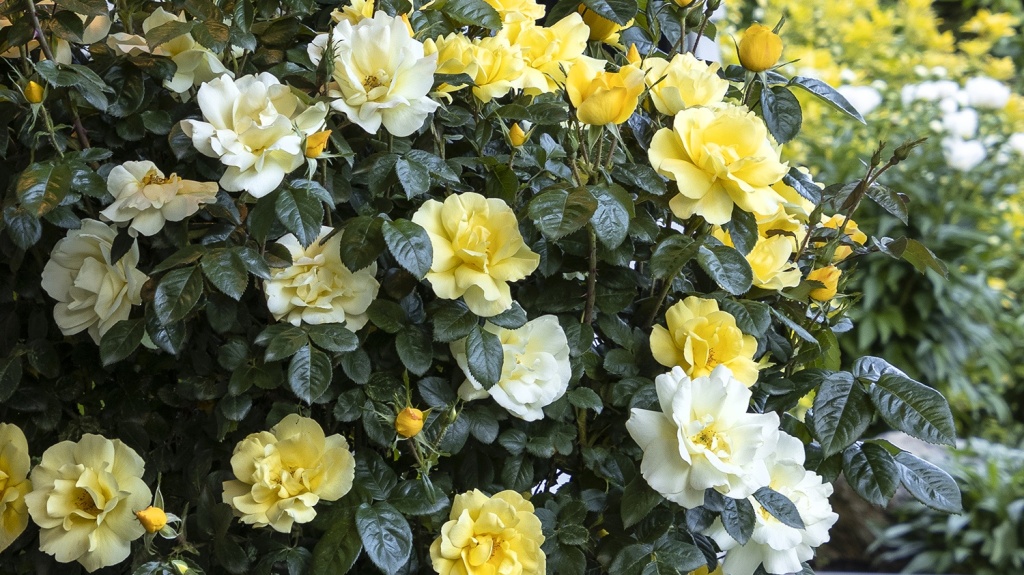
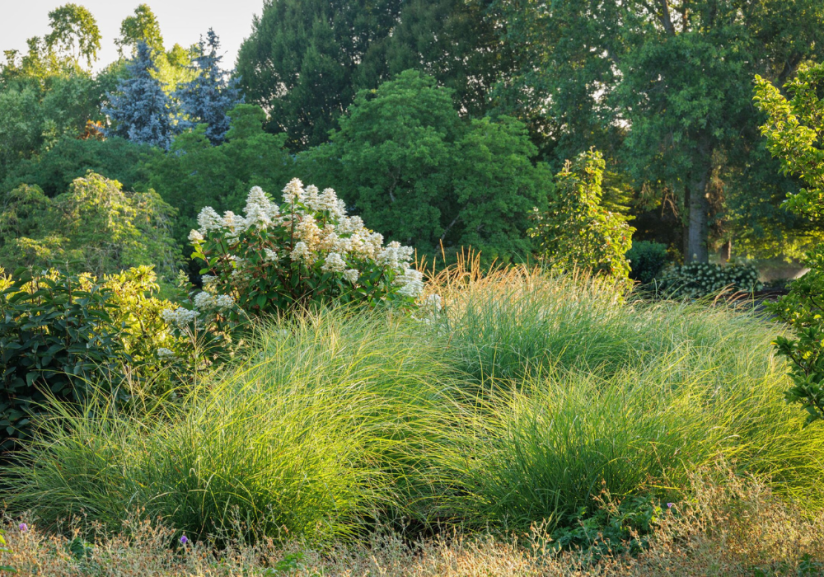
| Companion Plants | Magnolia (Magnolia); Maiden Grass (Miscanthus); Potentilla (Potentilla); Spirea (Spiraea); Rose (Rosa); Pomegranate (Punica) |
| Care Instructions | Thrives in deep, well-drained, average to enriched soils, but highly adaptable. Water deeply, regularly during the first growing season to establish an extensive root system. Once established, reduce frequency; tolerates drought. Feed with a general purpose fertilizer before new growth begins in spring. |
| History | The x Cupressocyparis group of conifers is a unique intergenera hybrid that crosses Cupressus, the true cypress with Chamaecyparis, the false cypress. The Leyland cypress group is parented by two native forest trees of the American west. The Monterey cypress, Cupressus macrocarpa and Chamaecyparis nootkatensis, the Nootka false cypress. The first of these leyland hybrids was introduced in 1888 with this 20th century hybrid originating in Ireland. |
Details
| Description | A neat, uniform shape that needs no trimming when used in natural form. Graceful yet strong, fairly narrow pyramidal growth with soft, bright green foliage on flat sprays. An excellent tall screen or windbreak. Use formal topiary shapes to accent borders or entryways, in containers or in the landscape. Evergreen. |
|---|---|
| Bloom Time | Conifer; prized for foliage. |
| Deciduous/Evergreen | Evergreen |
| Special Features | Easy Care, Waterwise, Fast Growing |
| Problems/Solutions | Coastal Exposure, Deer Resistant |
| Growth Rate | Moderate |
Style
| Landscape Use | Hedge, Privacy Screen, Windbreak |
|---|---|
| Design Ideas | A cold hardy alternative to Italian cypress that adds Mediterranean character to landscapes. Outstanding against warm colored stucco walls or in conjunction with rectangular Moroccan style swimming pools. Exploit the columnar form in formal garden design by using as a matched pair to flank doorway, gate, art or a fountain. Use in the English style to create a staccato background of deep green colonnade at the back of a mixed border. Tall enough to provide screening from neighboring second story windows when more tightly spaced. |
| Foliage Color | Green |
| Companion Plants | Magnolia (Magnolia); Maiden Grass (Miscanthus); Potentilla (Potentilla); Spirea (Spiraea); Rose (Rosa); Pomegranate (Punica) |
Care
| Care Instructions | Thrives in deep, well-drained, average to enriched soils, but highly adaptable. Water deeply, regularly during the first growing season to establish an extensive root system. Once established, reduce frequency; tolerates drought. Feed with a general purpose fertilizer before new growth begins in spring. |
|---|
History
| History | The x Cupressocyparis group of conifers is a unique intergenera hybrid that crosses Cupressus, the true cypress with Chamaecyparis, the false cypress. The Leyland cypress group is parented by two native forest trees of the American west. The Monterey cypress, Cupressus macrocarpa and Chamaecyparis nootkatensis, the Nootka false cypress. The first of these leyland hybrids was introduced in 1888 with this 20th century hybrid originating in Ireland. |
|---|
Frequently asked questions
Does Emerald Isle® Leyland Cypress produce flowers?
Conifer; prized for foliage.
Is Emerald Isle® Leyland Cypress evergreen or deciduous?
Emerald Isle® Leyland Cypress is Evergreen.
What are the special features of Emerald Isle® Leyland Cypress?
Emerald Isle® Leyland Cypress is Easy Care, Waterwise, Fast Growing.
Is Emerald Isle® Leyland Cypress resistant to pests or animals?
Coastal Exposure, Deer Resistant
How fast does Emerald Isle® Leyland Cypress grow?
Emerald Isle® Leyland Cypress has a Moderate growth rate.
Where can I use Emerald Isle® Leyland Cypress in my landscape?
Emerald Isle® Leyland Cypress is suitable for: Hedge, Privacy Screen, Windbreak.
How can I use Emerald Isle® Leyland Cypress in my garden design?
A cold hardy alternative to Italian cypress that adds Mediterranean character to landscapes. Outstanding against warm colored stucco walls or in conjunction with rectangular Moroccan style swimming pools. Exploit the columnar form in formal garden design by using as a matched pair to flank doorway, gate, art or a fountain. Use in the English style to create a staccato background of deep green colonnade at the back of a mixed border. Tall enough to provide screening from neighboring second story windows when more tightly spaced.
What color is the foliage of Emerald Isle® Leyland Cypress?
Emerald Isle® Leyland Cypress has Green foliage.
What plants grow well with Emerald Isle® Leyland Cypress?
Good companion plants for Emerald Isle® Leyland Cypress include: Magnolia (Magnolia); Maiden Grass (Miscanthus); Potentilla (Potentilla); Spirea (Spiraea); Rose (Rosa); Pomegranate (Punica).
How do I care for Emerald Isle® Leyland Cypress?
Thrives in deep, well-drained, average to enriched soils, but highly adaptable. Water deeply, regularly during the first growing season to establish an extensive root system. Once established, reduce frequency; tolerates drought. Feed with a general purpose fertilizer before new growth begins in spring.
What is the history of Emerald Isle® Leyland Cypress?
The x Cupressocyparis group of conifers is a unique intergenera hybrid that crosses Cupressus, the true cypress with Chamaecyparis, the false cypress. The Leyland cypress group is parented by two native forest trees of the American west. The Monterey cypress, Cupressus macrocarpa and Chamaecyparis nootkatensis, the Nootka false cypress. The first of these leyland hybrids was introduced in 1888 with this 20th century hybrid originating in Ireland.
Retailers Near You
About Us
We have been pioneers and craftsmen in the art of growing plants for 100 years. Since our founding in Southern California by Harry E. Rosedale, Sr. in 1926, we have been absolutely dedicated and obsessed with quality.
We have been pioneers and craftsmen in the art of growing plants for nearly 100 years. Since our founding in Southern California by Harry E. Rosedale, Sr. in 1926, we have been absolutely dedicated and obsessed with quality.