
You're growing in this Zip Code:
Change LocationDiscover Plants for Your Area

Emerald Spreader® Japanese Yew
Taxus cuspidata 'Monloo'
Pronunciation: TAKS-us kus-pi-DAY-ta
SKU #07234
LIGHT:
Full sun, Partial sun
WATER:
Water when top 2 inches of soil is dry.
SIZE:
Moderate growing; reaches 2 to 3 ft. tall, spreading 8 to 10 ft. wide.

Home Delivery Price
?
- Arrives in 3 to 7 days
- Free shipping on orders over $99
- Perfect Start Promise
Select Quantity
Retailers Near You
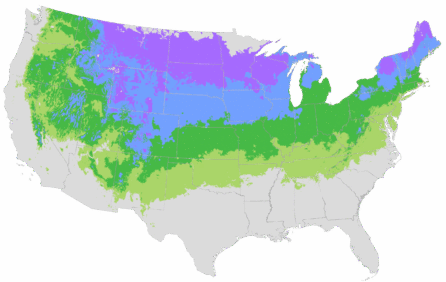

| Description | This exceptional, cold hardy, evergreen shrub is a perfect low-maintenance choice for ground cover, large scale borders or a low hedge. Strong and sturdy, it provides good erosion control on slopes. The attractive dark green foliage retains its color in the coldest of winters. Evergreen. |
|---|---|
| Bloom Time | Conifer; prized for foliage. |
| Deciduous/Evergreen | Evergreen |
| Special Features | Easy Care, Improved Pest and Disease Resistance, Waterwise |
| Problems/Solutions | Erosion Control, Rabbit Resistant |
| Growth Rate | Moderate |
| Growth Habit | Spreading |
| Patent Act | Asexual reproduction of plants protected by the Plant Patent Act is prohibited during the life of the patent. |
| Landscape Use | Border, Hedge, Ground Cover, Hillside |
| Design Ideas | This beautiful evergreen is a super useful cold hardy ground cover for cut slopes, banks and naturally sloping ground subject to problem run-off and erosion. Its well suited to expansive borders and islands for low maintenance weed-blocking coverage between more high profile upright shrubs. A strong grower, it stands up against the edges of walks and driveways. Foliage gracefully grounds larger rock outcroppings and will drape off curbs and retaining walls. |
| Foliage Color | Dark Green |
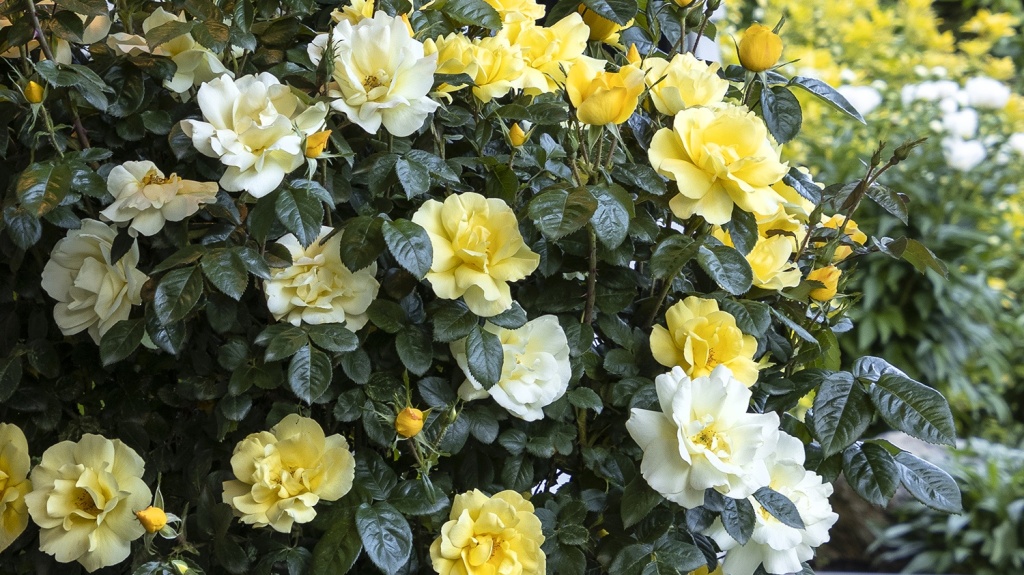
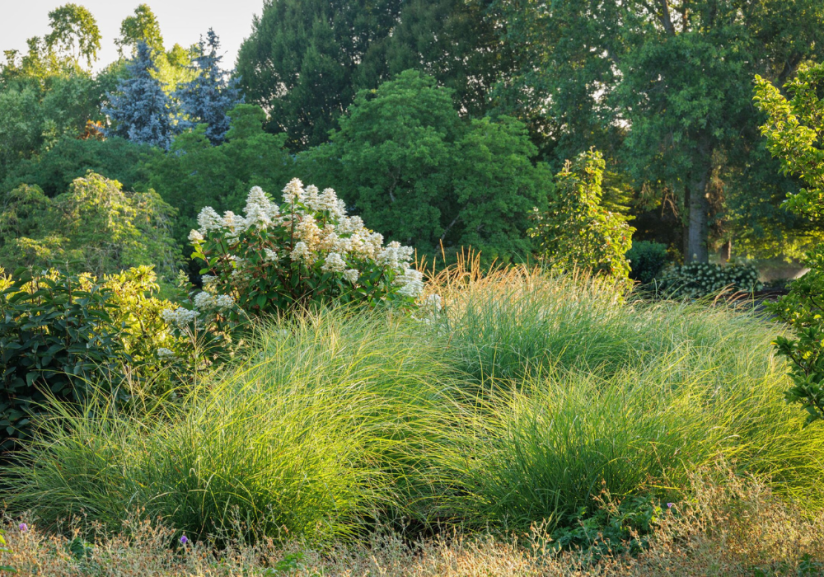
| Companion Plants | Rose (Rosa); Lilac (Syringa); Hydrangea (Hydrangea); Iris (Iris); Coral Bells (Heuchera) |
| Care Instructions | Prefers sandy, slightly acidic, consistently moist, well-drained soils. Water deeply, regularly during first growing season to establish an extensive root system; reduce frequency once established. Apply fertilizer before new growth begins in spring. For a tidy appearance, prune annually to shape. |
| History | This form of Japanese yew was introduced by Monrovia in 1987. It was discovered as a sport of T. cuspidata, a native of Japan, Korea and Manchuria. Taxus is a genus of woody trees and shrubs which falls into the Taxaceae family. The genus contains eight species all native to the Northern Hemisphere. The species was introduced into the United States by Dr. George R. Hall who sent plants from Shanghai. From these first introductions into Europe and the US came a variety of new yews often listed as Taxus x mediacultivars. 'Monloo' produces a female-clone type flower. |
| Lore | All species of this genus are poisonous. One American species is the source of the cancer drug, Taxol. In England yew trees were restricted to church yards where they were not subject to livestock grazing, which caused many animal deaths in the past. Interestingly, deer may graze on them, unaffected. Birds are also attracted to the fruit, which they eat without consequence, as the flesh is not toxic to most, and the seed passes through intact. |
Details
| Description | This exceptional, cold hardy, evergreen shrub is a perfect low-maintenance choice for ground cover, large scale borders or a low hedge. Strong and sturdy, it provides good erosion control on slopes. The attractive dark green foliage retains its color in the coldest of winters. Evergreen. |
|---|---|
| Bloom Time | Conifer; prized for foliage. |
| Deciduous/Evergreen | Evergreen |
| Special Features | Easy Care, Improved Pest and Disease Resistance, Waterwise |
| Problems/Solutions | Erosion Control, Rabbit Resistant |
| Growth Rate | Moderate |
| Growth Habit | Spreading |
| Patent Act | Asexual reproduction of plants protected by the Plant Patent Act is prohibited during the life of the patent. |
Style
| Landscape Use | Border, Hedge, Ground Cover, Hillside |
|---|---|
| Design Ideas | This beautiful evergreen is a super useful cold hardy ground cover for cut slopes, banks and naturally sloping ground subject to problem run-off and erosion. Its well suited to expansive borders and islands for low maintenance weed-blocking coverage between more high profile upright shrubs. A strong grower, it stands up against the edges of walks and driveways. Foliage gracefully grounds larger rock outcroppings and will drape off curbs and retaining walls. |
| Foliage Color | Dark Green |
| Companion Plants | Rose (Rosa); Lilac (Syringa); Hydrangea (Hydrangea); Iris (Iris); Coral Bells (Heuchera) |
Care
| Care Instructions | Prefers sandy, slightly acidic, consistently moist, well-drained soils. Water deeply, regularly during first growing season to establish an extensive root system; reduce frequency once established. Apply fertilizer before new growth begins in spring. For a tidy appearance, prune annually to shape. |
|---|
History
| History | This form of Japanese yew was introduced by Monrovia in 1987. It was discovered as a sport of T. cuspidata, a native of Japan, Korea and Manchuria. Taxus is a genus of woody trees and shrubs which falls into the Taxaceae family. The genus contains eight species all native to the Northern Hemisphere. The species was introduced into the United States by Dr. George R. Hall who sent plants from Shanghai. From these first introductions into Europe and the US came a variety of new yews often listed as Taxus x mediacultivars. 'Monloo' produces a female-clone type flower. |
|---|---|
| Lore | All species of this genus are poisonous. One American species is the source of the cancer drug, Taxol. In England yew trees were restricted to church yards where they were not subject to livestock grazing, which caused many animal deaths in the past. Interestingly, deer may graze on them, unaffected. Birds are also attracted to the fruit, which they eat without consequence, as the flesh is not toxic to most, and the seed passes through intact. |
Frequently asked questions
Does Emerald Spreader® Japanese Yew produce flowers?
Conifer; prized for foliage.
Is Emerald Spreader® Japanese Yew evergreen or deciduous?
Emerald Spreader® Japanese Yew is Evergreen.
What are the special features of Emerald Spreader® Japanese Yew?
Emerald Spreader® Japanese Yew is Easy Care, Improved Pest and Disease Resistance, Waterwise.
Is Emerald Spreader® Japanese Yew resistant to pests or animals?
Erosion Control, Rabbit Resistant
How fast does Emerald Spreader® Japanese Yew grow?
Emerald Spreader® Japanese Yew has a Moderate growth rate.
What is the growth habit of Emerald Spreader® Japanese Yew?
Emerald Spreader® Japanese Yew grows in an Spreading habit.
Where can I use Emerald Spreader® Japanese Yew in my landscape?
Emerald Spreader® Japanese Yew is suitable for: Border, Hedge, Ground Cover, Hillside.
How can I use Emerald Spreader® Japanese Yew in my garden design?
This beautiful evergreen is a super useful cold hardy ground cover for cut slopes, banks and naturally sloping ground subject to problem run-off and erosion. Its well suited to expansive borders and islands for low maintenance weed-blocking coverage between more high profile upright shrubs. A strong grower, it stands up against the edges of walks and driveways. Foliage gracefully grounds larger rock outcroppings and will drape off curbs and retaining walls.
What color is the foliage of Emerald Spreader® Japanese Yew?
Emerald Spreader® Japanese Yew has Dark Green foliage.
What plants grow well with Emerald Spreader® Japanese Yew?
Good companion plants for Emerald Spreader® Japanese Yew include: Rose (Rosa); Lilac (Syringa); Hydrangea (Hydrangea); Iris (Iris); Coral Bells (Heuchera).
How do I care for Emerald Spreader® Japanese Yew?
Prefers sandy, slightly acidic, consistently moist, well-drained soils. Water deeply, regularly during first growing season to establish an extensive root system; reduce frequency once established. Apply fertilizer before new growth begins in spring. For a tidy appearance, prune annually to shape.
What is the history of Emerald Spreader® Japanese Yew?
This form of Japanese yew was introduced by Monrovia in 1987. It was discovered as a sport of T. cuspidata, a native of Japan, Korea and Manchuria. Taxus is a genus of woody trees and shrubs which falls into the Taxaceae family. The genus contains eight species all native to the Northern Hemisphere. The species was introduced into the United States by Dr. George R. Hall who sent plants from Shanghai. From these first introductions into Europe and the US came a variety of new yews often listed as Taxus x mediacultivars. 'Monloo' produces a female-clone type flower.
Retailers Near You
About Us
We have been pioneers and craftsmen in the art of growing plants for 100 years. Since our founding in Southern California by Harry E. Rosedale, Sr. in 1926, we have been absolutely dedicated and obsessed with quality.
We have been pioneers and craftsmen in the art of growing plants for nearly 100 years. Since our founding in Southern California by Harry E. Rosedale, Sr. in 1926, we have been absolutely dedicated and obsessed with quality.