
You're growing in this Zip Code:
Discover Plants for Your Area
Fall Gold Raspberry
Rubus idaeus var. strigosus 'Fall Gold'
Pronunciation: ROO-bus eye-DAY-us strig-OH-sus
SKU #06784
LIGHT:
Full sun
WATER:
Water when top 2 inches of soil is dry.
SIZE:
Moderate growing; reaches up to 4 ft. tall, 3 ft. wide.

Retailers Near You
Ready to Grow?
Ship Monrovia plants directly to your door. Browse a curated selection available online.
Shop Now >This Plant's Growing Zones: 3-8
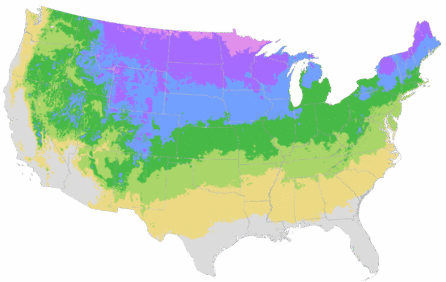
Your USDA Cold Hardiness Zone:
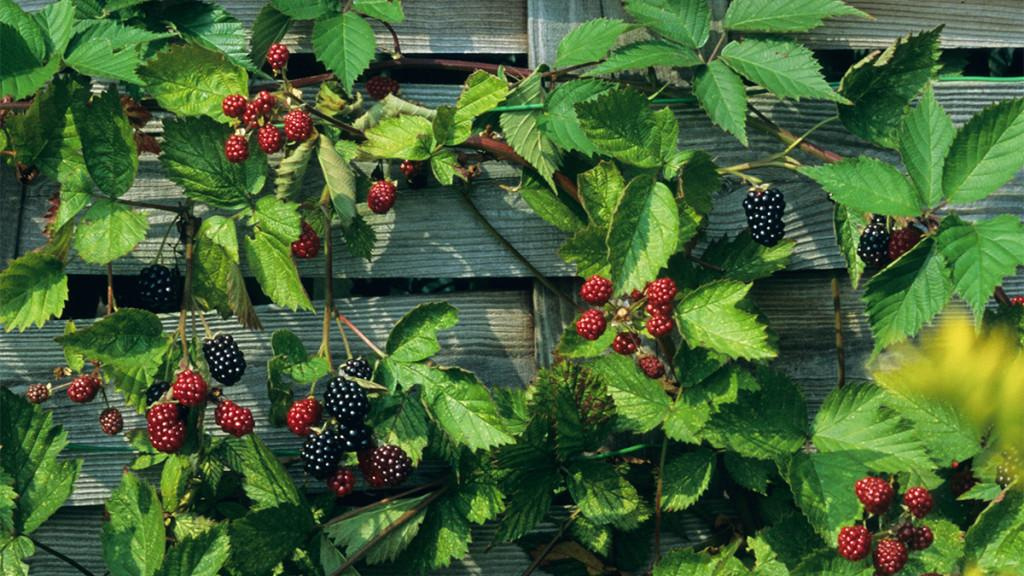
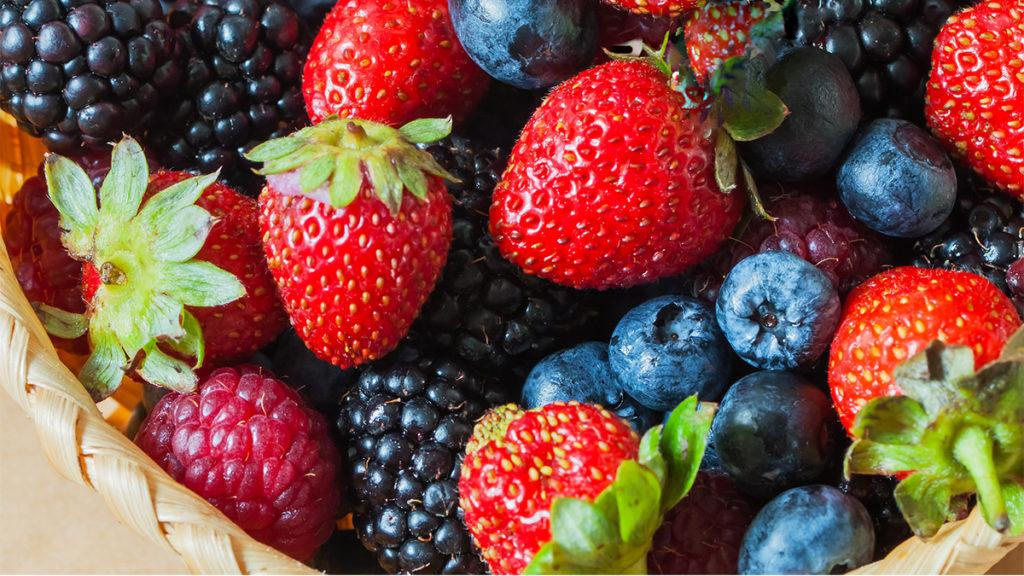
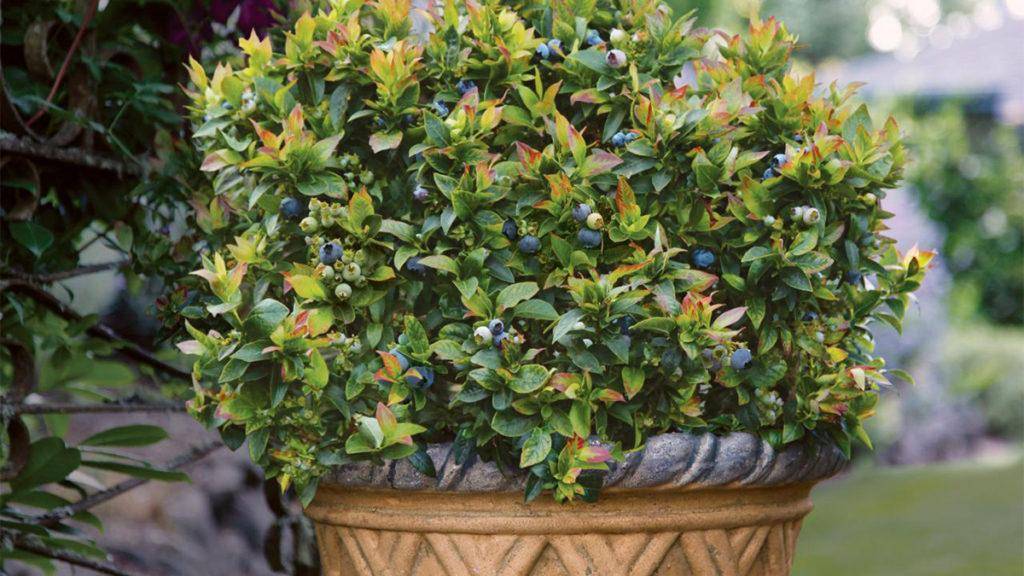
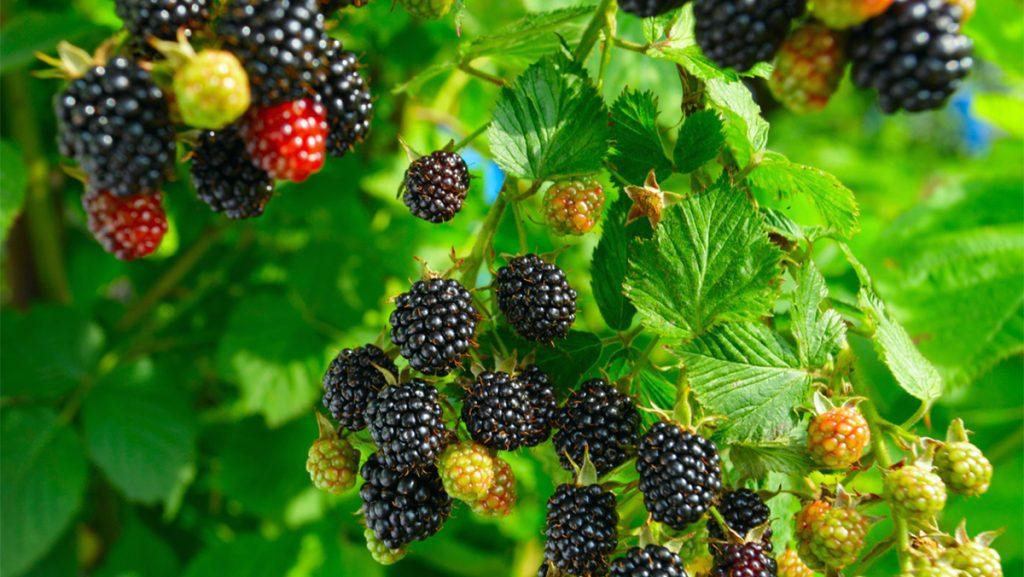
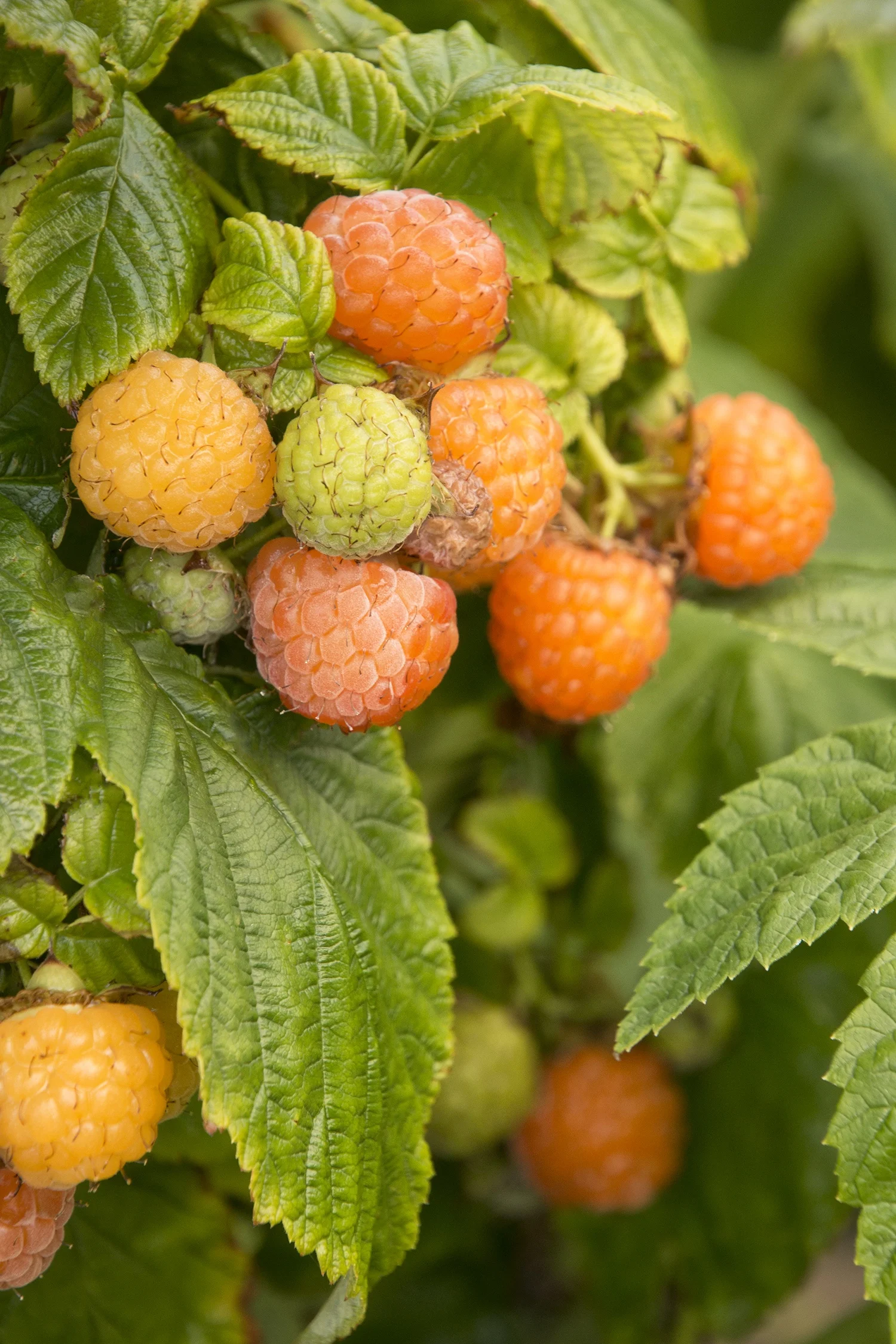
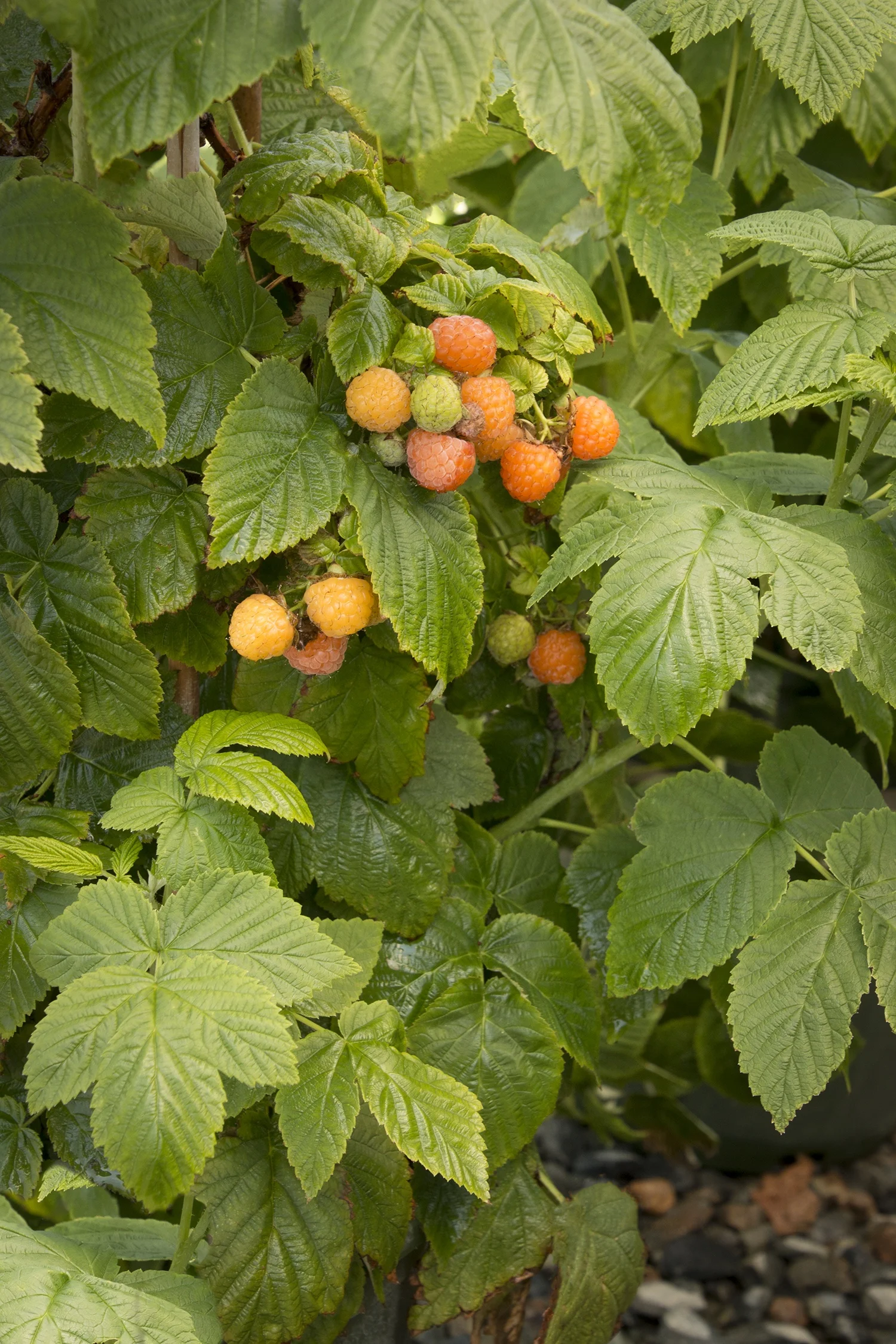
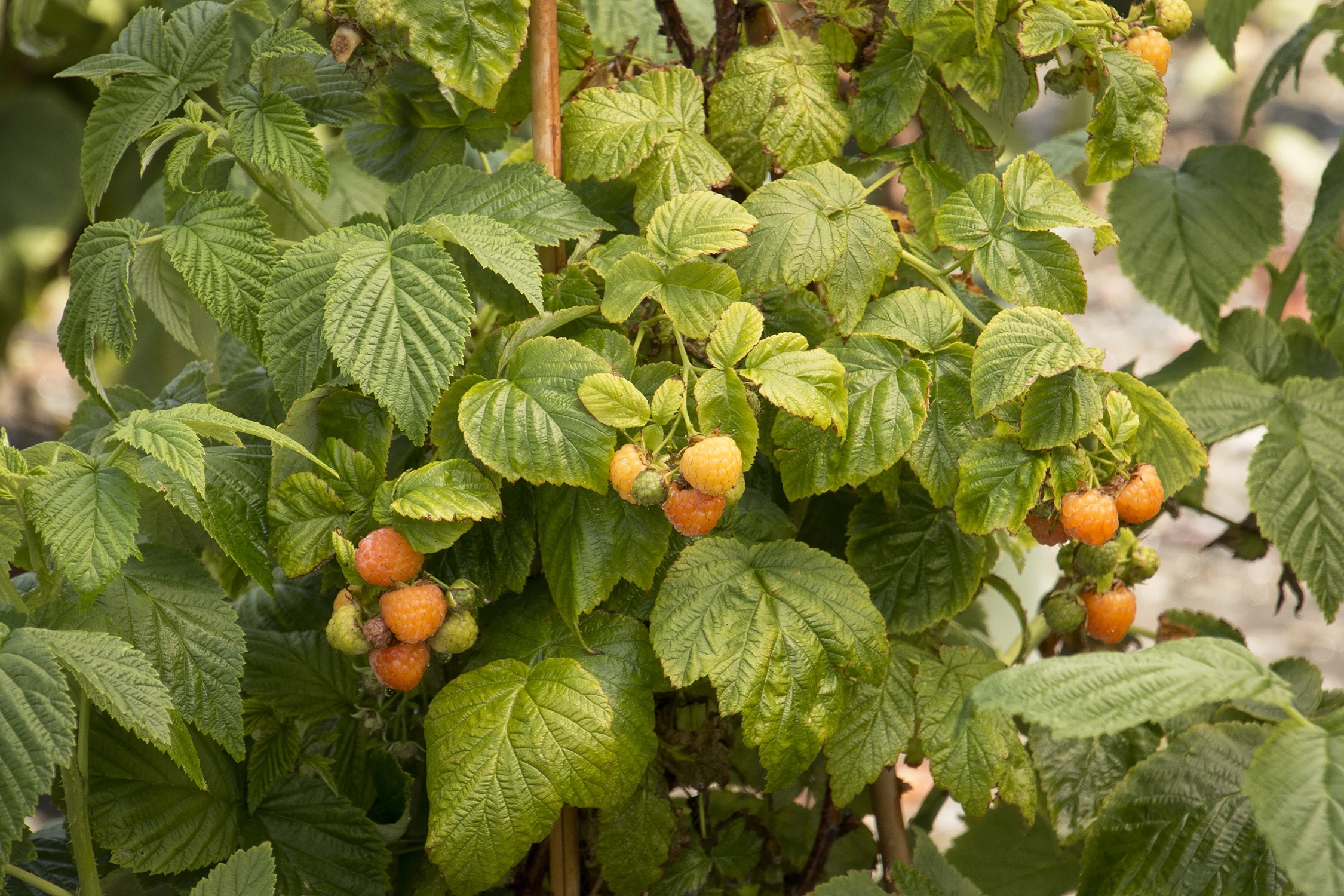
| Description | A rare, exciting self-fertile gold raspberry with the same deliciously sweet taste of red varieties, and the ability to produce two crops each season. After a late summer to fall harvest, a second crop arrives the following spring on the same canes. Excellent fresh or for preserves and pies. The warm yellow berries brighten the garden. Deciduous. |
|---|---|
| Bloom Time | Spring and midsummer |
| Deciduous/Evergreen | Deciduous |
| Special Features | Showy Fruit, Edible, Benefits Birds |
| Problems/Solutions | Coastal Exposure |
| Growth Rate | Moderate |
| Flower Attributes | Flowers for Cutting |
| Landscape Use | Border, Espalier |
| Flower Color | White |
| Foliage Color | Green |
| Companion Plants | Salvia (Salvia); Rosemary (Rosmarinus); Yarrow (Achillea); Russian Sage (Perovskia); Lavender (Lavandula) |
| Care Instructions | Provide fertile, mildly acidic, well-drained soil. Water deeply, regularly in the first growing season to establish an extensive root system. Feed before new growth begins in spring. After harvest, prune to ground older canes that have fruited, leaving one-year-old canes to produce next season's crop. Train newer canes on a trellis. |
| Lore | Fall Gold is a primocane type berry, meaning it blooms and fruits on first-year wood. Primocane varieties are often referred to as "everbearing" because they produce two crops on each biennial cane (unless pruned otherwise). The fall crop comes on current-season canes, at the top 1/3 of the canes. After overwintering, and if not pruned, a second crop will be produced in late spring to early summer at the bottom 2/3 of the canes. If a single but heavier crop is desired, all canes may be annually pruned to the ground before growth begins in spring. The new canes will produce fruit in late summer to fall of the same season. |
Details
| Description | A rare, exciting self-fertile gold raspberry with the same deliciously sweet taste of red varieties, and the ability to produce two crops each season. After a late summer to fall harvest, a second crop arrives the following spring on the same canes. Excellent fresh or for preserves and pies. The warm yellow berries brighten the garden. Deciduous. |
|---|---|
| Bloom Time | Spring and midsummer |
| Deciduous/Evergreen | Deciduous |
| Special Features | Showy Fruit, Edible, Benefits Birds |
| Problems/Solutions | Coastal Exposure |
| Growth Rate | Moderate |
| Flower Attributes | Flowers for Cutting |
Style
| Landscape Use | Border, Espalier |
|---|---|
| Flower Color | White |
| Foliage Color | Green |
| Companion Plants | Salvia (Salvia); Rosemary (Rosmarinus); Yarrow (Achillea); Russian Sage (Perovskia); Lavender (Lavandula) |
Care
| Care Instructions | Provide fertile, mildly acidic, well-drained soil. Water deeply, regularly in the first growing season to establish an extensive root system. Feed before new growth begins in spring. After harvest, prune to ground older canes that have fruited, leaving one-year-old canes to produce next season's crop. Train newer canes on a trellis. |
|---|
History
| Lore | Fall Gold is a primocane type berry, meaning it blooms and fruits on first-year wood. Primocane varieties are often referred to as "everbearing" because they produce two crops on each biennial cane (unless pruned otherwise). The fall crop comes on current-season canes, at the top 1/3 of the canes. After overwintering, and if not pruned, a second crop will be produced in late spring to early summer at the bottom 2/3 of the canes. If a single but heavier crop is desired, all canes may be annually pruned to the ground before growth begins in spring. The new canes will produce fruit in late summer to fall of the same season. |
|---|
Retailers Near You
About Us
We have been pioneers and craftsmen in the art of growing plants for 100 years. Since our founding in Southern California by Harry E. Rosedale, Sr. in 1926, we have been absolutely dedicated and obsessed with quality.
We have been pioneers and craftsmen in the art of growing plants for nearly 100 years. Since our founding in Southern California by Harry E. Rosedale, Sr. in 1926, we have been absolutely dedicated and obsessed with quality.