
You're growing in this Zip Code:
Change LocationDiscover Plants for Your Area
Fern Podocarpus
Podocarpus gracilior
Pronunciation: poh-doh-KAR-pus
SKU #06640
LIGHT:
Full sun, Partial sun
WATER:
Water when top 2 inches of soil is dry.
SIZE:
Reaches 40 to 50 ft. tall, 25 ft. wide; keep smaller with regular pruning.

Retailers Near You
Ready to Grow?
Ship Monrovia plants directly to your door. Browse a curated selection available online.
Shop Now >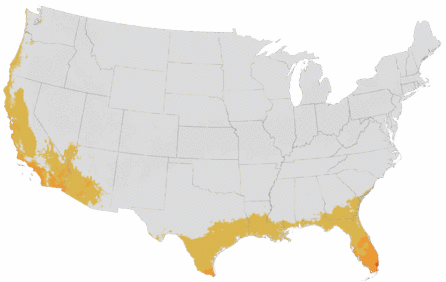
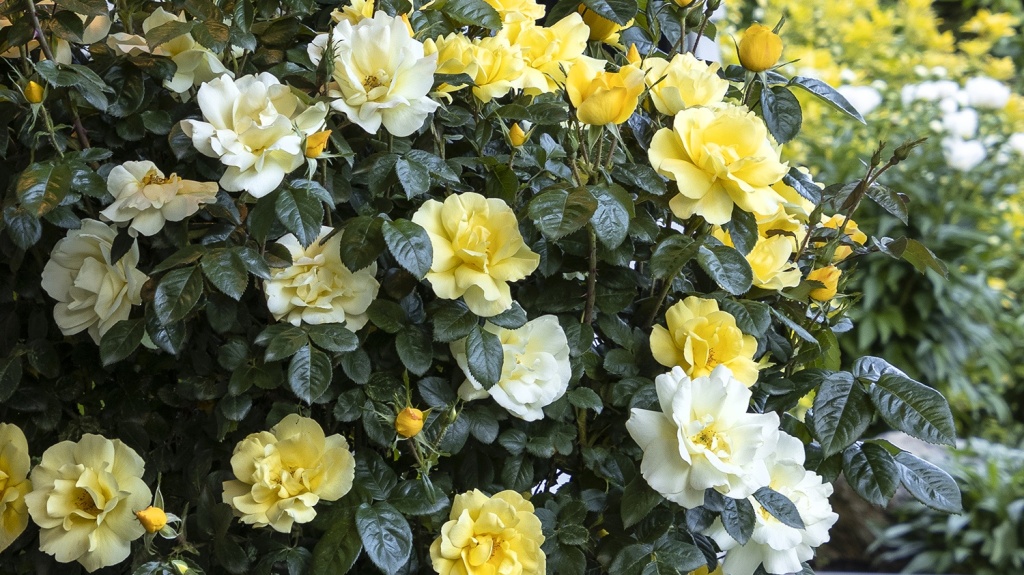
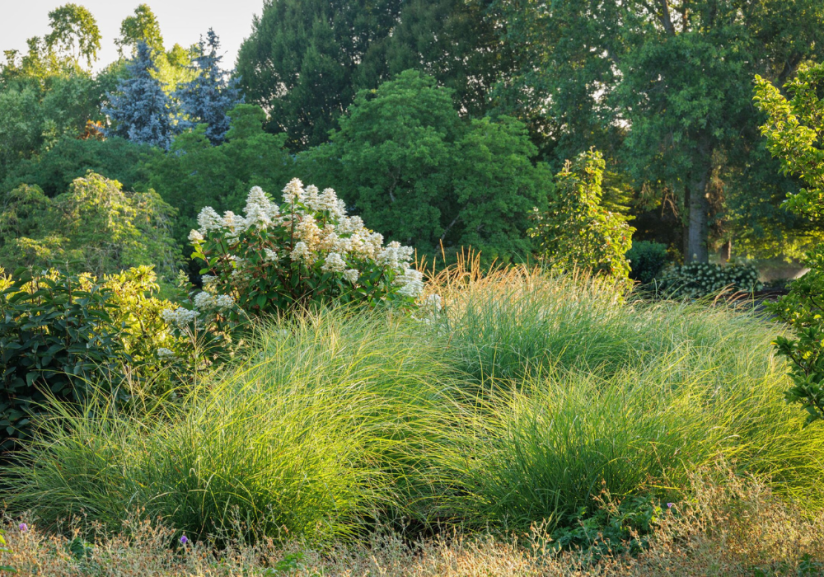
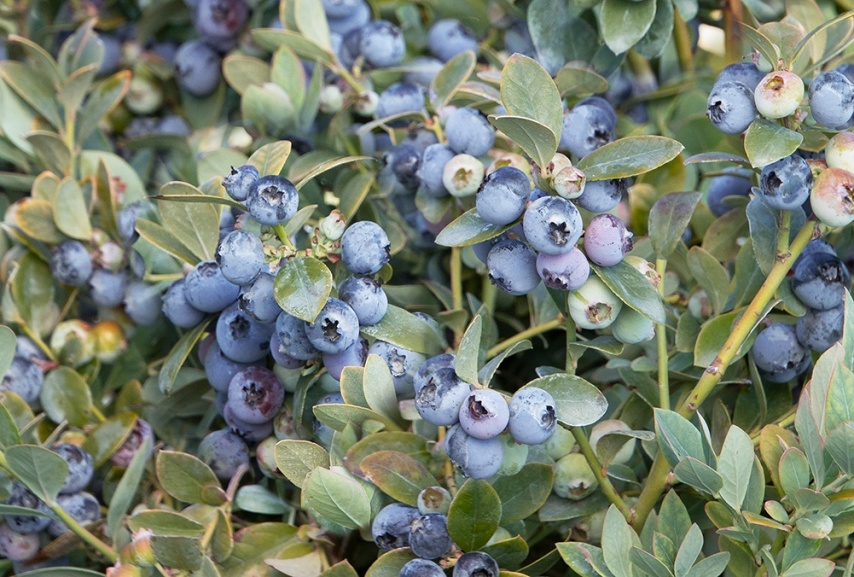

| Description | A beautiful evergreen tree with dense pendant branches and soft gray-green, narrow leaves that create a soft, graceful effect. Lush foliage has a fern-like appearance. A wonderful shade tree for landscape perimeters. Very well-adapted to urban settings; roots rarely lift or cause problems. Great for containers, topiary and indoor use. This dioecious conifer is grown from seed so we can not guarantee if a plant purchased will be male or female. |
|---|---|
| Bloom Time | Conifer; prized for foliage. |
| Deciduous/Evergreen | Evergreen |
| Special Features | Easy Care, Improved Pest and Disease Resistance, Waterwise |
| Problems/Solutions | Coastal Exposure, Deer Resistant, Tolerates Urban Pollution |
| Growth Rate | Moderate |
| Growth Habit | Rounded |
| Landscape Use | Container, Espalier, Privacy Screen, Windbreak |
| Design Ideas | Few trees offer such lovely color and soft cloud-like foliage. Grow as a beautiful street tree in warmer climates. Try it as a year-round screen on property lines or against poor views of industrial or commercial areas. Good single shade tree for front or backyard, but avoid planting in lawns. Most compatible as a single specimen with semitropical landscapes. Also great as contrast against the bright stucco walls of modern or postmodern architecture. Also makes a good container-grown topiary tree for formal landscaping around porches or patios and entries. Do not plant Podocarpus under the eaves of houses; they will easily outgrow the roof. |
| Foliage Color | Gray-green |
| Companion Plants | Crossvine (Bignonia); Indian Hawthorn (Rhaphiolepis); Daylily (Hemerocallis); Lily of the Nile (Agapanthus); Dwarf Crape Myrtle (Lagestroemia indica) |
| Care Instructions | Thrives in average, well-drained soils. Water deeply, regularly in first few growing seasons to establish an extensive root system. Once established, reduce frequency; tolerates mild drought. Apply a general purpose fertilizer before new growth begins in spring. May be pruned periodically to maintain a smaller stature. |
| History | This is an unusual genus of plants that is closely related to conifers but is in its own family, the Podocarpaceae. The genus was classified by French botanist Charles L'Hertier de Brutelle, 1746-1800, who named it from the Greek for foot and fruit to describe its large berries. The genus contains about 90 species confined mainly to the Southern, Hemisphere, and this species is native to tropical Africa. It was classified by the German Robert Pilger in the early 20th century. This is likely among the plants in Carl Thunberg's collected data 18th century botanical data published in Flora Capensis. This plant may actually be synonymous with P. elongata, also from South Africa because references often interchange the common name. |
Details
| Description | A beautiful evergreen tree with dense pendant branches and soft gray-green, narrow leaves that create a soft, graceful effect. Lush foliage has a fern-like appearance. A wonderful shade tree for landscape perimeters. Very well-adapted to urban settings; roots rarely lift or cause problems. Great for containers, topiary and indoor use. This dioecious conifer is grown from seed so we can not guarantee if a plant purchased will be male or female. |
|---|---|
| Bloom Time | Conifer; prized for foliage. |
| Deciduous/Evergreen | Evergreen |
| Special Features | Easy Care, Improved Pest and Disease Resistance, Waterwise |
| Problems/Solutions | Coastal Exposure, Deer Resistant, Tolerates Urban Pollution |
| Growth Rate | Moderate |
| Growth Habit | Rounded |
Style
| Landscape Use | Container, Espalier, Privacy Screen, Windbreak |
|---|---|
| Design Ideas | Few trees offer such lovely color and soft cloud-like foliage. Grow as a beautiful street tree in warmer climates. Try it as a year-round screen on property lines or against poor views of industrial or commercial areas. Good single shade tree for front or backyard, but avoid planting in lawns. Most compatible as a single specimen with semitropical landscapes. Also great as contrast against the bright stucco walls of modern or postmodern architecture. Also makes a good container-grown topiary tree for formal landscaping around porches or patios and entries. Do not plant Podocarpus under the eaves of houses; they will easily outgrow the roof. |
| Foliage Color | Gray-green |
| Companion Plants | Crossvine (Bignonia); Indian Hawthorn (Rhaphiolepis); Daylily (Hemerocallis); Lily of the Nile (Agapanthus); Dwarf Crape Myrtle (Lagestroemia indica) |
Care
| Care Instructions | Thrives in average, well-drained soils. Water deeply, regularly in first few growing seasons to establish an extensive root system. Once established, reduce frequency; tolerates mild drought. Apply a general purpose fertilizer before new growth begins in spring. May be pruned periodically to maintain a smaller stature. |
|---|
History
| History | This is an unusual genus of plants that is closely related to conifers but is in its own family, the Podocarpaceae. The genus was classified by French botanist Charles L'Hertier de Brutelle, 1746-1800, who named it from the Greek for foot and fruit to describe its large berries. The genus contains about 90 species confined mainly to the Southern, Hemisphere, and this species is native to tropical Africa. It was classified by the German Robert Pilger in the early 20th century. This is likely among the plants in Carl Thunberg's collected data 18th century botanical data published in Flora Capensis. This plant may actually be synonymous with P. elongata, also from South Africa because references often interchange the common name. |
|---|
Frequently asked questions
Does Fern Podocarpus produce flowers?
Conifer; prized for foliage.
Is Fern Podocarpus evergreen or deciduous?
Fern Podocarpus is Evergreen.
What are the special features of Fern Podocarpus?
Fern Podocarpus is Easy Care, Improved Pest and Disease Resistance, Waterwise.
Is Fern Podocarpus resistant to pests or animals?
Coastal Exposure, Deer Resistant, Tolerates Urban Pollution
How fast does Fern Podocarpus grow?
Fern Podocarpus has a Moderate growth rate.
What is the growth habit of Fern Podocarpus?
Fern Podocarpus grows in an Rounded habit.
Where can I use Fern Podocarpus in my landscape?
Fern Podocarpus is suitable for: Container, Espalier, Privacy Screen, Windbreak.
How can I use Fern Podocarpus in my garden design?
Few trees offer such lovely color and soft cloud-like foliage. Grow as a beautiful street tree in warmer climates. Try it as a year-round screen on property lines or against poor views of industrial or commercial areas. Good single shade tree for front or backyard, but avoid planting in lawns. Most compatible as a single specimen with semitropical landscapes. Also great as contrast against the bright stucco walls of modern or postmodern architecture. Also makes a good container-grown topiary tree for formal landscaping around porches or patios and entries. Do not plant Podocarpus under the eaves of houses; they will easily outgrow the roof.
What color is the foliage of Fern Podocarpus?
Fern Podocarpus has Gray-green foliage.
What plants grow well with Fern Podocarpus?
Good companion plants for Fern Podocarpus include: Crossvine (Bignonia); Indian Hawthorn (Rhaphiolepis); Daylily (Hemerocallis); Lily of the Nile (Agapanthus); Dwarf Crape Myrtle (Lagestroemia indica).
How do I care for Fern Podocarpus?
Thrives in average, well-drained soils. Water deeply, regularly in first few growing seasons to establish an extensive root system. Once established, reduce frequency; tolerates mild drought. Apply a general purpose fertilizer before new growth begins in spring. May be pruned periodically to maintain a smaller stature.
What is the history of Fern Podocarpus?
This is an unusual genus of plants that is closely related to conifers but is in its own family, the Podocarpaceae. The genus was classified by French botanist Charles L'Hertier de Brutelle, 1746-1800, who named it from the Greek for foot and fruit to describe its large berries. The genus contains about 90 species confined mainly to the Southern, Hemisphere, and this species is native to tropical Africa. It was classified by the German Robert Pilger in the early 20th century. This is likely among the plants in Carl Thunberg's collected data 18th century botanical data published in Flora Capensis. This plant may actually be synonymous with P. elongata, also from South Africa because references often interchange the common name.
Retailers Near You
About Us
We have been pioneers and craftsmen in the art of growing plants for 100 years. Since our founding in Southern California by Harry E. Rosedale, Sr. in 1926, we have been absolutely dedicated and obsessed with quality.
We have been pioneers and craftsmen in the art of growing plants for nearly 100 years. Since our founding in Southern California by Harry E. Rosedale, Sr. in 1926, we have been absolutely dedicated and obsessed with quality.