
You're growing in this Zip Code:
Change LocationDiscover Plants for Your Area
Genti Blue Bellflower
Campanula glomerata 'Genti Blue'
Pronunciation: kam-PAN-yoo-luh glahm-er-AH-tuh
SKU #40842
LIGHT:
Full sun, Partial sun
WATER:
Keep soil moist, but not soggy.
SIZE:
Moderate growing; reaches 17 to 19 in. tall and wide.

Retailers Near You
Ready to Grow?
Ship Monrovia plants directly to your door. Browse a curated selection available online.
Shop Now >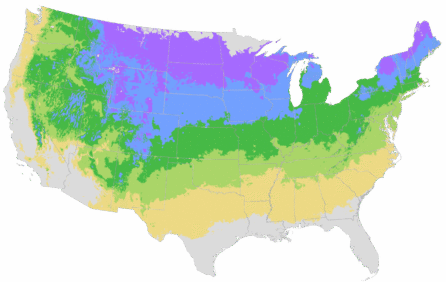

| Description | Clusters of tightly grouped, amethyst blue, bell-shaped flowers that bloom profusely throughout summer on a mounded, compact form with dark green foliage. Wonderful for use in containers, planter beds, or rock gardens. A lovely addition to cut flower arrangements. An herbaceous perennial. |
|---|---|
| Bloom Time | Late spring to early summer |
| Deciduous/Evergreen | Herbaceous |
| Special Features | Easy Care, Attracts Pollinators, Fast Growing, Compact Form |
| Problems/Solutions | Rabbit Resistant |
| Growth Rate | Moderate |
| Flower Attributes | Flowers for Cutting, Long Bloom Season, Showy Flowers |
| Landscape Use | Border, Container |
| Flower Color | Blue |
| Foliage Color | Dark Green |
| Companion Plants | Coneflower (Echinacea); Cranesbill (Geranium); Daylily (Hemerocallis); Coral Bells (Heuchera); Avens (Geum) |
| Care Instructions | Thrives in average, well-drained soils. Shelter from harsh afternoon sun in hotter summer regions. Water deeply, regularly during the first growing season to establish an extensive root system. Feed in spring, repeat during growing season. Remove spent blooms to encourage continuous bloom. Divide every 2 to 3 years in early spring. |
Details
| Description | Clusters of tightly grouped, amethyst blue, bell-shaped flowers that bloom profusely throughout summer on a mounded, compact form with dark green foliage. Wonderful for use in containers, planter beds, or rock gardens. A lovely addition to cut flower arrangements. An herbaceous perennial. |
|---|---|
| Bloom Time | Late spring to early summer |
| Deciduous/Evergreen | Herbaceous |
| Special Features | Easy Care, Attracts Pollinators, Fast Growing, Compact Form |
| Problems/Solutions | Rabbit Resistant |
| Growth Rate | Moderate |
| Flower Attributes | Flowers for Cutting, Long Bloom Season, Showy Flowers |
Style
| Landscape Use | Border, Container |
|---|---|
| Flower Color | Blue |
| Foliage Color | Dark Green |
| Companion Plants | Coneflower (Echinacea); Cranesbill (Geranium); Daylily (Hemerocallis); Coral Bells (Heuchera); Avens (Geum) |
Care
| Care Instructions | Thrives in average, well-drained soils. Shelter from harsh afternoon sun in hotter summer regions. Water deeply, regularly during the first growing season to establish an extensive root system. Feed in spring, repeat during growing season. Remove spent blooms to encourage continuous bloom. Divide every 2 to 3 years in early spring. |
|---|
Frequently asked questions
Does Genti Blue Bellflower produce flowers?
Late spring to early summer
Is Genti Blue Bellflower evergreen or deciduous?
Genti Blue Bellflower is Herbaceous.
What are the special features of Genti Blue Bellflower?
Genti Blue Bellflower is Easy Care, Attracts Pollinators, Fast Growing, Compact Form.
Is Genti Blue Bellflower resistant to pests or animals?
Rabbit Resistant
How fast does Genti Blue Bellflower grow?
Genti Blue Bellflower has a Moderate growth rate.
Where can I use Genti Blue Bellflower in my landscape?
Genti Blue Bellflower is suitable for: Border, Container.
What color are Genti Blue Bellflower flowers?
Genti Blue Bellflower produces Blue flowers.
What color is the foliage of Genti Blue Bellflower?
Genti Blue Bellflower has Dark Green foliage.
What plants grow well with Genti Blue Bellflower?
Good companion plants for Genti Blue Bellflower include: Coneflower (Echinacea); Cranesbill (Geranium); Daylily (Hemerocallis); Coral Bells (Heuchera); Avens (Geum).
How do I care for Genti Blue Bellflower?
Thrives in average, well-drained soils. Shelter from harsh afternoon sun in hotter summer regions. Water deeply, regularly during the first growing season to establish an extensive root system. Feed in spring, repeat during growing season. Remove spent blooms to encourage continuous bloom. Divide every 2 to 3 years in early spring.
Retailers Near You
About Us
We have been pioneers and craftsmen in the art of growing plants for 100 years. Since our founding in Southern California by Harry E. Rosedale, Sr. in 1926, we have been absolutely dedicated and obsessed with quality.
We have been pioneers and craftsmen in the art of growing plants for nearly 100 years. Since our founding in Southern California by Harry E. Rosedale, Sr. in 1926, we have been absolutely dedicated and obsessed with quality.