You're growing in this Zip Code:
Change LocationDiscover Plants for Your Area
Gold Coast® English Holly
Ilex aquifolium 'Monvila'
Pronunciation: I-leks a-kwi-FO-li-um
SKU #04305
LIGHT:
Full sun, Partial sun
WATER:
Water when top 2 inches of soil is dry.
SIZE:
Slowly reaches 4 to 6 ft. tall and wide.

Retailers Near You
Ready to Grow?
Ship Monrovia plants directly to your door. Browse a curated selection available online.
Shop Now >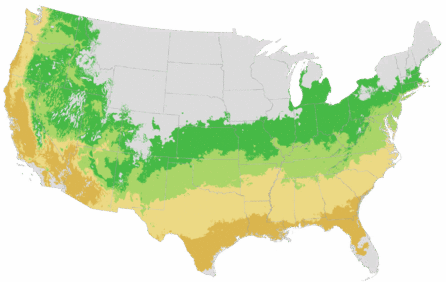
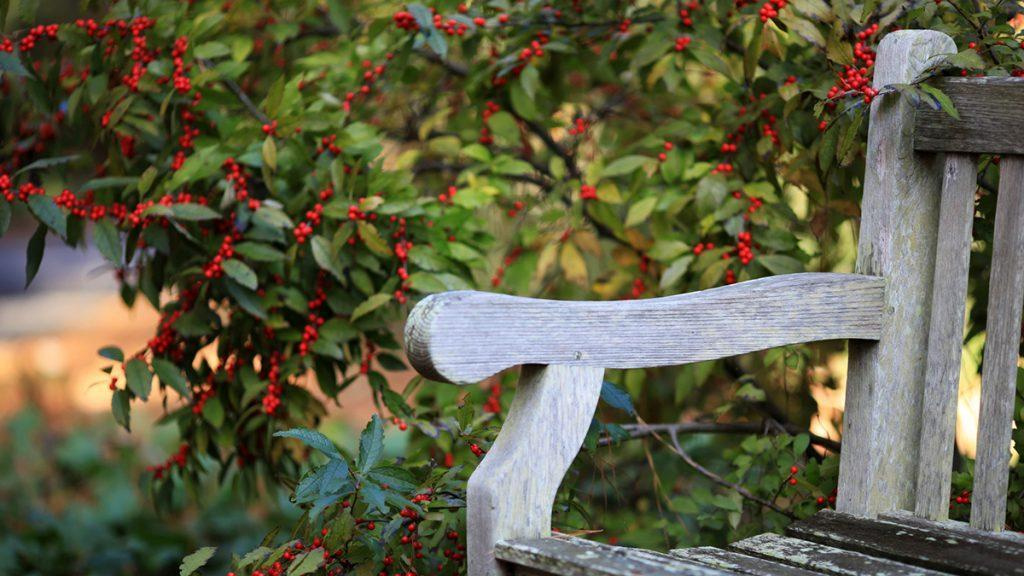
| Description | A small evergreen shrub that holds many branches of dense, small, toothy, dark green leaves heavily edged in bright golden yellow. This male form has no berries but will act as a pollenizer for other female English holly varieties. Use to brighten the landscape as a hedge, foundation plant, or landscape accent. |
|---|---|
| Bloom Time | Spring |
| Deciduous/Evergreen | Evergreen |
| Special Features | Dramatic Foliage Color, Easy Care, Pollenizer |
| Problems/Solutions | Deer Resistant, Rabbit Resistant |
| Growth Rate | Slow |
| Growth Habit | Pyramidal |
| Patent Act | Asexual reproduction of plants protected by the Plant Patent Act is prohibited during the life of the patent. |
| Landscape Use | Barrier, Border, Hedge, Privacy Screen |
| Design Ideas | Add interest to your winter garden and have a fresh supply of holiday greenery for wreaths and garlands. The golden-edged foliage will add a special glow. The English Holly is very shade tolerant and will add light and interest to a woodland understory or a sunny wildlife garden. |
| Flower Color | White |
| Foliage Color | Variegated |
| Companion Plants | Lily of the Valley Shrub (Pieris); Rhododendron (Rhododendron); Peony (Paeonia); Astilbe (Astilbe); Camellia (Camellia) |
| Care Instructions | Grows well in moderately fertile, humus-rich, well-drained soils. Shelter from wind and harsh afternoon sun exposures in hot, dry regions. Water deeply, regularly during the first few growing seasons to establish an extensive root system. Fertilize before new growth begins in spring. Prune annually to shape. |
| History | I. aquafolium is native to western and southern Europe, northwest Africa and southwest Asia. Western cultures use English Holly as a traditional Chrismas decoration, especially in wreaths. The wood is hard and very light. Traditionally it has been used to make the white chess pieces, while ebony was used to make the black. Ingestion of berries on the female varieties may cause nausea, vomiting, abdominal pain and diarrhea in humans, but is an important food source for birds. |
Details
| Description | A small evergreen shrub that holds many branches of dense, small, toothy, dark green leaves heavily edged in bright golden yellow. This male form has no berries but will act as a pollenizer for other female English holly varieties. Use to brighten the landscape as a hedge, foundation plant, or landscape accent. |
|---|---|
| Bloom Time | Spring |
| Deciduous/Evergreen | Evergreen |
| Special Features | Dramatic Foliage Color, Easy Care, Pollenizer |
| Problems/Solutions | Deer Resistant, Rabbit Resistant |
| Growth Rate | Slow |
| Growth Habit | Pyramidal |
| Patent Act | Asexual reproduction of plants protected by the Plant Patent Act is prohibited during the life of the patent. |
Style
| Landscape Use | Barrier, Border, Hedge, Privacy Screen |
|---|---|
| Design Ideas | Add interest to your winter garden and have a fresh supply of holiday greenery for wreaths and garlands. The golden-edged foliage will add a special glow. The English Holly is very shade tolerant and will add light and interest to a woodland understory or a sunny wildlife garden. |
| Flower Color | White |
| Foliage Color | Variegated |
| Companion Plants | Lily of the Valley Shrub (Pieris); Rhododendron (Rhododendron); Peony (Paeonia); Astilbe (Astilbe); Camellia (Camellia) |
Care
| Care Instructions | Grows well in moderately fertile, humus-rich, well-drained soils. Shelter from wind and harsh afternoon sun exposures in hot, dry regions. Water deeply, regularly during the first few growing seasons to establish an extensive root system. Fertilize before new growth begins in spring. Prune annually to shape. |
|---|
History
| History | I. aquafolium is native to western and southern Europe, northwest Africa and southwest Asia. Western cultures use English Holly as a traditional Chrismas decoration, especially in wreaths. The wood is hard and very light. Traditionally it has been used to make the white chess pieces, while ebony was used to make the black. Ingestion of berries on the female varieties may cause nausea, vomiting, abdominal pain and diarrhea in humans, but is an important food source for birds. |
|---|
Frequently asked questions
Does Gold Coast® English Holly produce flowers?
Spring
Is Gold Coast® English Holly evergreen or deciduous?
Gold Coast® English Holly is Evergreen.
What are the special features of Gold Coast® English Holly?
Gold Coast® English Holly is Dramatic Foliage Color, Easy Care, Pollenizer.
Is Gold Coast® English Holly resistant to pests or animals?
Deer Resistant, Rabbit Resistant
How fast does Gold Coast® English Holly grow?
Gold Coast® English Holly has a Slow growth rate.
What is the growth habit of Gold Coast® English Holly?
Gold Coast® English Holly grows in an Pyramidal habit.
Where can I use Gold Coast® English Holly in my landscape?
Gold Coast® English Holly is suitable for: Barrier, Border, Hedge, Privacy Screen.
How can I use Gold Coast® English Holly in my garden design?
Add interest to your winter garden and have a fresh supply of holiday greenery for wreaths and garlands. The golden-edged foliage will add a special glow. The English Holly is very shade tolerant and will add light and interest to a woodland understory or a sunny wildlife garden.
What color are Gold Coast® English Holly flowers?
Gold Coast® English Holly produces White flowers.
What color is the foliage of Gold Coast® English Holly?
Gold Coast® English Holly has Variegated foliage.
What plants grow well with Gold Coast® English Holly?
Good companion plants for Gold Coast® English Holly include: Lily of the Valley Shrub (Pieris); Rhododendron (Rhododendron); Peony (Paeonia); Astilbe (Astilbe); Camellia (Camellia).
How do I care for Gold Coast® English Holly?
Grows well in moderately fertile, humus-rich, well-drained soils. Shelter from wind and harsh afternoon sun exposures in hot, dry regions. Water deeply, regularly during the first few growing seasons to establish an extensive root system. Fertilize before new growth begins in spring. Prune annually to shape.
What is the history of Gold Coast® English Holly?
I. aquafolium is native to western and southern Europe, northwest Africa and southwest Asia. Western cultures use English Holly as a traditional Chrismas decoration, especially in wreaths. The wood is hard and very light. Traditionally it has been used to make the white chess pieces, while ebony was used to make the black. Ingestion of berries on the female varieties may cause nausea, vomiting, abdominal pain and diarrhea in humans, but is an important food source for birds.
Retailers Near You
About Us
We have been pioneers and craftsmen in the art of growing plants for 100 years. Since our founding in Southern California by Harry E. Rosedale, Sr. in 1926, we have been absolutely dedicated and obsessed with quality.
We have been pioneers and craftsmen in the art of growing plants for nearly 100 years. Since our founding in Southern California by Harry E. Rosedale, Sr. in 1926, we have been absolutely dedicated and obsessed with quality.