
You're growing in this Zip Code:
Discover Plants for Your Area
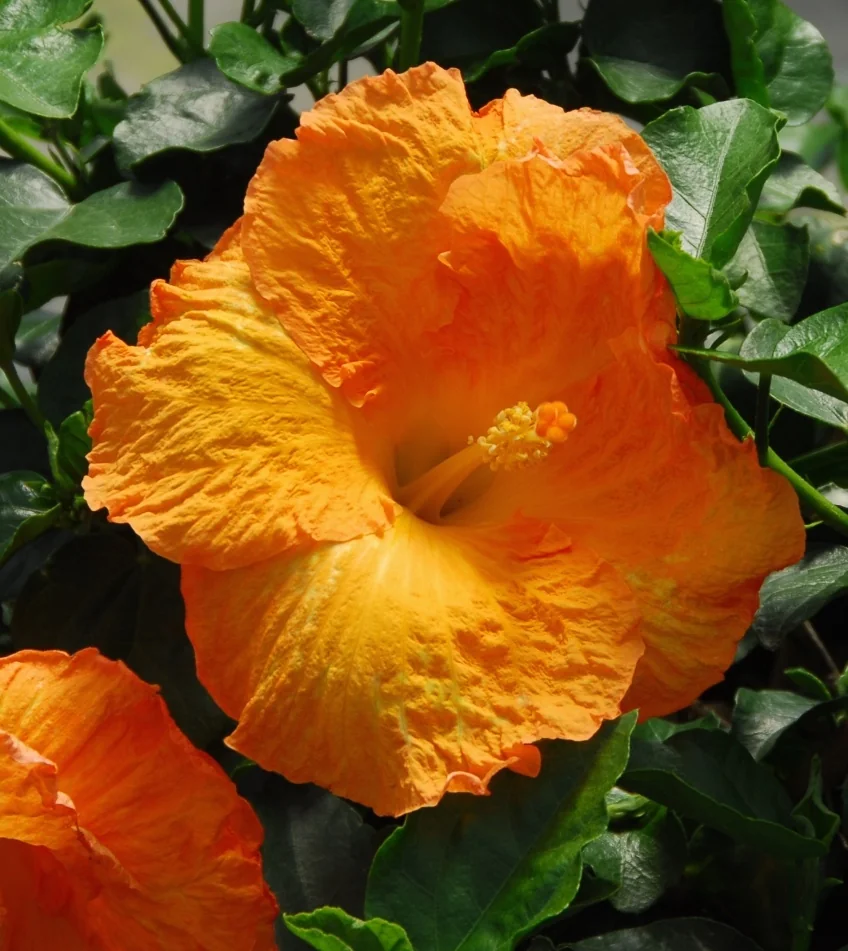
Golden Dust Hibiscus
Hibiscus rosa-sinensis 'Golden Dust'
Pronunciation: hi-BIS-kus ROH-zuh si-NEN-sis
SKU #04125
LIGHT:
Full sun
WATER:
Keep soil consistently moist.
SIZE:
Moderate growing to 4 to 6 ft. tall, 3 to 4 ft. wide.

Retailers Near You
Ready to Grow?
Ship Monrovia plants directly to your door. Browse a curated selection available online.
Shop Now >This Plant's Growing Zones: 10-11
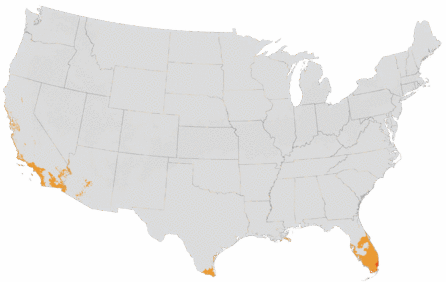
Your USDA Cold Hardiness Zone:
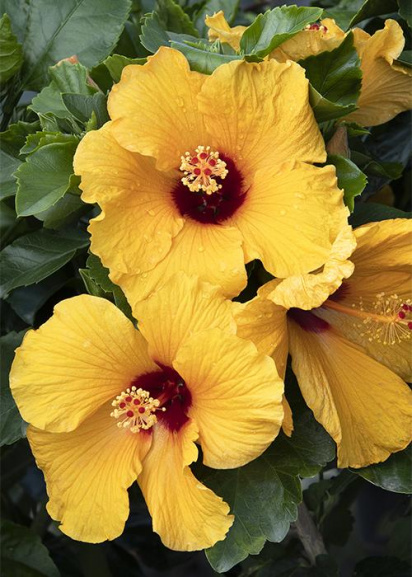
| Description | More compact than others, with glossy foliage and showy tropical blooms, this is a perfect choice for small gardens, patios and courtyards. Bright gold and yellow splashed petals have ruffled edges. This sun and heat-loving evergreen shrub makes a great container specimen or colorful background hedge. |
|---|---|
| Bloom Time | Summer |
| Deciduous/Evergreen | Evergreen |
| Special Features | Attracts Hummingbirds, Easy Care, Non-toxic to Cats and Dogs, Attracts Pollinators, Heat Loving, Compact Form |
| Problems/Solutions | Coastal Exposure |
| Growth Rate | Moderate |
| Growth Habit | Rounded |
| Flower Attributes | Flowers for Cutting, Repeat Flowering, Showy Flowers |
| Landscape Use | Border, Container, Espalier, Hedge, Poolside |
| Design Ideas | Smaller than most, this tropical Hibiscus is perfect for patios, courtyards and small city gardens. Accentuate its beauty with exotic foliage plants nearby and bright red and purple vines overhead. With its dense, glossy foliage, this Hibiscus creates a solid hedge or screen. Plant as a specimen to highlight entries or gateways. Very good choice against plaster or stucco walls. Reliable cover for unsightly side yard fences and spaces between windows. Most charming when trained into a patio tree and planted in large pots stuffed with annual color. |
| Flower Color | Orange |
| Foliage Color | Green |
| Companion Plants | This shorter Hibiscus is nicely accented with perennials such as the blue Lily of the Nile (Agapanthus africanus), Prairie Blue Eyes Daylily (Hemerocallis hybrids Prairie Blue Eyes) and dwarf shrubs like fragrant Tomlinson Natal Plum (Carissa macrocarpa 'Tomlinson') and the unique Cream De MintTM Dwarf Mock Orange (Pittosporum tobira 'Shima'). Also quite lovely with larger shrubs like Yesterday, Today And Tomorrow (Brunfelsia pauciflora 'Floribunda') and another fragrant choice, Everblooming Gardenia (Gardenia jasminoides 'Veitchii'). |
| Care Instructions | Follow a regular watering schedule during the first growing season to establish a deep, extensive root system. Watering can be reduced after establishment. Feed with a general purpose fertilizer before new growth begins in spring. |
| History | The tropical hibiscus was introduced into Europe in 1731 where plants were so tender they were grown only in greenhouses. Genus Hibiscus contains over 200 species from around the world. The species name translates from the Latin as "rose of China", which refers to its place of origin in southeast Asia where plants are found in the literature as early as 295 BC. |
| Lore | French Impressionist painter Paul Gauguin's visions of Tahiti often depicted this hibiscus and helped to make them far more famous garden plants around the world. |
Details
| Description | More compact than others, with glossy foliage and showy tropical blooms, this is a perfect choice for small gardens, patios and courtyards. Bright gold and yellow splashed petals have ruffled edges. This sun and heat-loving evergreen shrub makes a great container specimen or colorful background hedge. |
|---|---|
| Bloom Time | Summer |
| Deciduous/Evergreen | Evergreen |
| Special Features | Attracts Hummingbirds, Easy Care, Non-toxic to Cats and Dogs, Attracts Pollinators, Heat Loving, Compact Form |
| Problems/Solutions | Coastal Exposure |
| Growth Rate | Moderate |
| Growth Habit | Rounded |
| Flower Attributes | Flowers for Cutting, Repeat Flowering, Showy Flowers |
Style
| Landscape Use | Border, Container, Espalier, Hedge, Poolside |
|---|---|
| Design Ideas | Smaller than most, this tropical Hibiscus is perfect for patios, courtyards and small city gardens. Accentuate its beauty with exotic foliage plants nearby and bright red and purple vines overhead. With its dense, glossy foliage, this Hibiscus creates a solid hedge or screen. Plant as a specimen to highlight entries or gateways. Very good choice against plaster or stucco walls. Reliable cover for unsightly side yard fences and spaces between windows. Most charming when trained into a patio tree and planted in large pots stuffed with annual color. |
| Flower Color | Orange |
| Foliage Color | Green |
| Companion Plants | This shorter Hibiscus is nicely accented with perennials such as the blue Lily of the Nile (Agapanthus africanus), Prairie Blue Eyes Daylily (Hemerocallis hybrids Prairie Blue Eyes) and dwarf shrubs like fragrant Tomlinson Natal Plum (Carissa macrocarpa 'Tomlinson') and the unique Cream De MintTM Dwarf Mock Orange (Pittosporum tobira 'Shima'). Also quite lovely with larger shrubs like Yesterday, Today And Tomorrow (Brunfelsia pauciflora 'Floribunda') and another fragrant choice, Everblooming Gardenia (Gardenia jasminoides 'Veitchii'). |
Care
| Care Instructions | Follow a regular watering schedule during the first growing season to establish a deep, extensive root system. Watering can be reduced after establishment. Feed with a general purpose fertilizer before new growth begins in spring. |
|---|
History
| History | The tropical hibiscus was introduced into Europe in 1731 where plants were so tender they were grown only in greenhouses. Genus Hibiscus contains over 200 species from around the world. The species name translates from the Latin as "rose of China", which refers to its place of origin in southeast Asia where plants are found in the literature as early as 295 BC. |
|---|---|
| Lore | French Impressionist painter Paul Gauguin's visions of Tahiti often depicted this hibiscus and helped to make them far more famous garden plants around the world. |
Retailers Near You
About Us
We have been pioneers and craftsmen in the art of growing plants for 100 years. Since our founding in Southern California by Harry E. Rosedale, Sr. in 1926, we have been absolutely dedicated and obsessed with quality.
We have been pioneers and craftsmen in the art of growing plants for nearly 100 years. Since our founding in Southern California by Harry E. Rosedale, Sr. in 1926, we have been absolutely dedicated and obsessed with quality.