
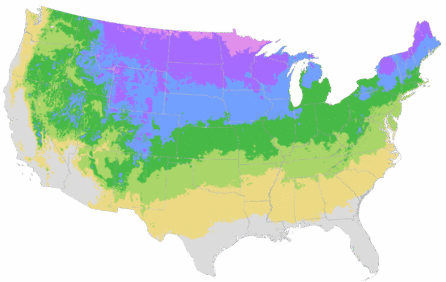
You're growing in this Zip Code:
Change LocationDiscover Plants for Your Area
Golden Globe Arborvitae
Thuja occidentalis 'Golden Globe'
Pronunciation: THOO-yuh ok-si-den-TAY-lis
SKU #07286
LIGHT:
Full sun, Partial sun
WATER:
Water when top 2 inches of soil is dry.
SIZE:
Moderate growing; reaches 4 ft. tall and wide.

Home Delivery Price
?
- Arrives in 3 to 7 days
- Free shipping on orders over $99
- Perfect Start Promise
Select Quantity
Retailers Near You

| Description | Handsome, bright golden yellow foliage covers this dense, globe-shaped shrub, and tolerates full sun exposure without sunburn. Thrives in regions with high humidity. Works well as a low hedge and in foundation plantings. Use in combination with dark green shrubs for a pleasing contrast. Evergreen. |
|---|---|
| Bloom Time | Conifer; prized for foliage. |
| Deciduous/Evergreen | Evergreen |
| Special Features | Dramatic Foliage Color, Easy Care, Compact Form, Benefits Birds |
| Problems/Solutions | Coastal Exposure, Very Wet Areas, Tolerates Urban Pollution |
| Growth Rate | Moderate |
| Growth Habit | Rounded |
| Landscape Use | Border, Container, Hedge |
| Design Ideas | The golden yellow foliage of this small shrub brings a bright spot to dark winter days, and combines well the rest of the year with other conifers and shrubs. Use as an accent in a small bed or in a group for a larger effect. |
| Foliage Color | Yellow |
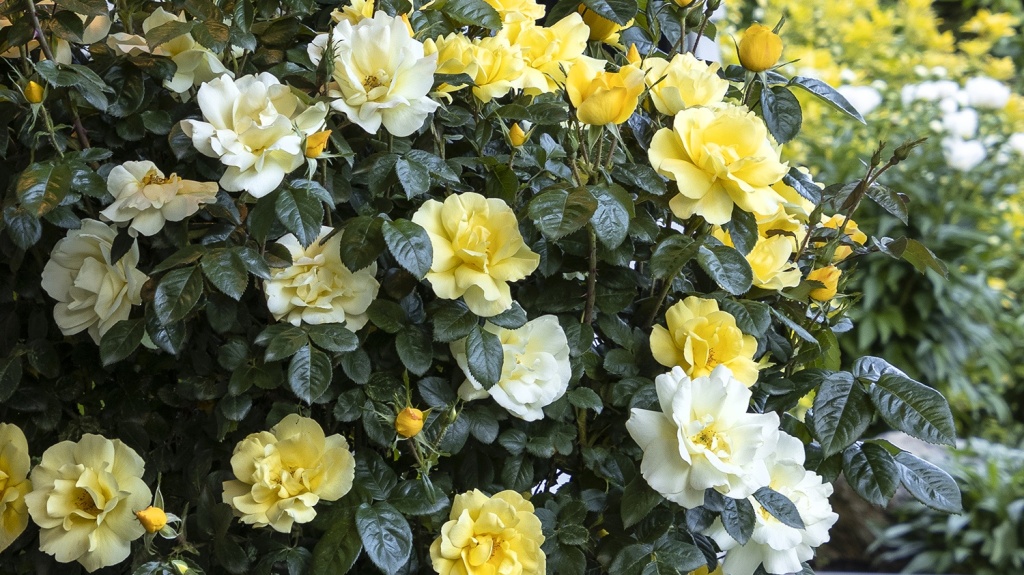
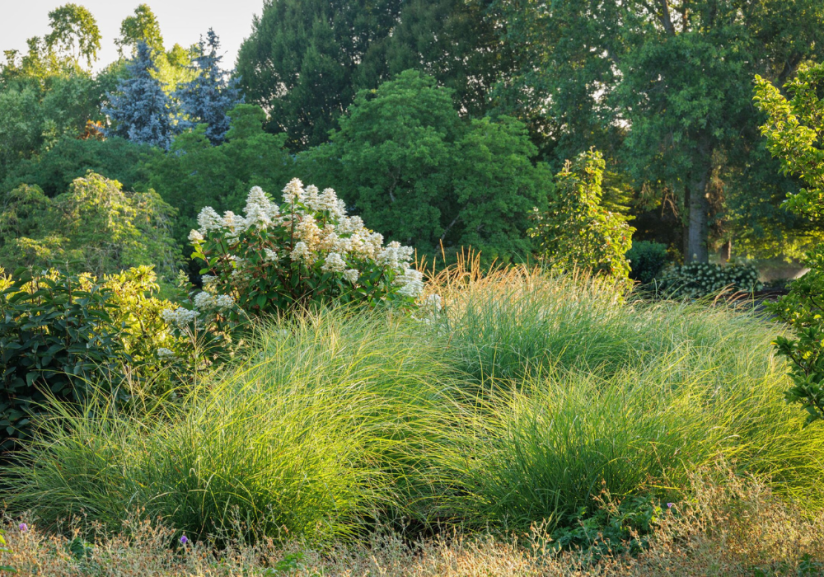
| Companion Plants | Smoke Tree (Cotinus); Spirea (Spiraea); Rose (Rosa); Hydrangea (Hydrangea); Daylily (Hemerocallis) |
| Care Instructions | Thrives in enriched, evenly moist, loamy, well-drained soils; dislikes dry conditions. Provide afternoon shade in hot summer regions and protect from harsh winds. Water deeply, regularly during the first growing season to establish an extensive root system. Fertilize in early spring. Prune lightly, only as needed to shape. |
| History | These conifers are members of the cypress family which includes many ornamental and timber genera. The common name is Arborvitae or Tree-of-Life due to its evergreen quality in the face of adversity as well as the medicinal properties of its sap, bark and twigs. There are five species native to North America and Eastern Asia with only three of these in cultivation. T. occidentalis is probably the most widely cultivated and is indigenous to a large range in eastern North America, most notably in wet forests and swamps. It was first cultivated in 1534 and the oldest known living specimen is thought to be over 1000 years old. This variety was the result of a mutation from 'Woodwardarii' and was introduced into the nursery trade in 1946. This plant is attractive to deer who like to feast on the soft, winter foliage. |
Details
| Description | Handsome, bright golden yellow foliage covers this dense, globe-shaped shrub, and tolerates full sun exposure without sunburn. Thrives in regions with high humidity. Works well as a low hedge and in foundation plantings. Use in combination with dark green shrubs for a pleasing contrast. Evergreen. |
|---|---|
| Bloom Time | Conifer; prized for foliage. |
| Deciduous/Evergreen | Evergreen |
| Special Features | Dramatic Foliage Color, Easy Care, Compact Form, Benefits Birds |
| Problems/Solutions | Coastal Exposure, Very Wet Areas, Tolerates Urban Pollution |
| Growth Rate | Moderate |
| Growth Habit | Rounded |
Style
| Landscape Use | Border, Container, Hedge |
|---|---|
| Design Ideas | The golden yellow foliage of this small shrub brings a bright spot to dark winter days, and combines well the rest of the year with other conifers and shrubs. Use as an accent in a small bed or in a group for a larger effect. |
| Foliage Color | Yellow |
| Companion Plants | Smoke Tree (Cotinus); Spirea (Spiraea); Rose (Rosa); Hydrangea (Hydrangea); Daylily (Hemerocallis) |
Care
| Care Instructions | Thrives in enriched, evenly moist, loamy, well-drained soils; dislikes dry conditions. Provide afternoon shade in hot summer regions and protect from harsh winds. Water deeply, regularly during the first growing season to establish an extensive root system. Fertilize in early spring. Prune lightly, only as needed to shape. |
|---|
History
| History | These conifers are members of the cypress family which includes many ornamental and timber genera. The common name is Arborvitae or Tree-of-Life due to its evergreen quality in the face of adversity as well as the medicinal properties of its sap, bark and twigs. There are five species native to North America and Eastern Asia with only three of these in cultivation. T. occidentalis is probably the most widely cultivated and is indigenous to a large range in eastern North America, most notably in wet forests and swamps. It was first cultivated in 1534 and the oldest known living specimen is thought to be over 1000 years old. This variety was the result of a mutation from 'Woodwardarii' and was introduced into the nursery trade in 1946. This plant is attractive to deer who like to feast on the soft, winter foliage. |
|---|
Frequently asked questions
Does Golden Globe Arborvitae produce flowers?
Conifer; prized for foliage.
Is Golden Globe Arborvitae evergreen or deciduous?
Golden Globe Arborvitae is Evergreen.
What are the special features of Golden Globe Arborvitae?
Golden Globe Arborvitae is Dramatic Foliage Color, Easy Care, Compact Form, Benefits Birds.
Is Golden Globe Arborvitae resistant to pests or animals?
Coastal Exposure, Very Wet Areas, Tolerates Urban Pollution
How fast does Golden Globe Arborvitae grow?
Golden Globe Arborvitae has a Moderate growth rate.
What is the growth habit of Golden Globe Arborvitae?
Golden Globe Arborvitae grows in an Rounded habit.
Where can I use Golden Globe Arborvitae in my landscape?
Golden Globe Arborvitae is suitable for: Border, Container, Hedge.
How can I use Golden Globe Arborvitae in my garden design?
The golden yellow foliage of this small shrub brings a bright spot to dark winter days, and combines well the rest of the year with other conifers and shrubs. Use as an accent in a small bed or in a group for a larger effect.
What color is the foliage of Golden Globe Arborvitae?
Golden Globe Arborvitae has Yellow foliage.
What plants grow well with Golden Globe Arborvitae?
Good companion plants for Golden Globe Arborvitae include: Smoke Tree (Cotinus); Spirea (Spiraea); Rose (Rosa); Hydrangea (Hydrangea); Daylily (Hemerocallis).
How do I care for Golden Globe Arborvitae?
Thrives in enriched, evenly moist, loamy, well-drained soils; dislikes dry conditions. Provide afternoon shade in hot summer regions and protect from harsh winds. Water deeply, regularly during the first growing season to establish an extensive root system. Fertilize in early spring. Prune lightly, only as needed to shape.
What is the history of Golden Globe Arborvitae?
These conifers are members of the cypress family which includes many ornamental and timber genera. The common name is Arborvitae or Tree-of-Life due to its evergreen quality in the face of adversity as well as the medicinal properties of its sap, bark and twigs. There are five species native to North America and Eastern Asia with only three of these in cultivation. T. occidentalis is probably the most widely cultivated and is indigenous to a large range in eastern North America, most notably in wet forests and swamps. It was first cultivated in 1534 and the oldest known living specimen is thought to be over 1000 years old. This variety was the result of a mutation from 'Woodwardarii' and was introduced into the nursery trade in 1946. This plant is attractive to deer who like to feast on the soft, winter foliage.
Retailers Near You
About Us
We have been pioneers and craftsmen in the art of growing plants for 100 years. Since our founding in Southern California by Harry E. Rosedale, Sr. in 1926, we have been absolutely dedicated and obsessed with quality.
We have been pioneers and craftsmen in the art of growing plants for nearly 100 years. Since our founding in Southern California by Harry E. Rosedale, Sr. in 1926, we have been absolutely dedicated and obsessed with quality.