
You're growing in this Zip Code:
Change LocationDiscover Plants for Your Area
Golf Ball Pittosporum
Pittosporum tenuifolium 'Golf Ball'
Pronunciation: pit-oh-SPOR-um ten-yoo-ih-FOH-lee-um
SKU #01658
LIGHT:
Full sun, Partial sun
WATER:
Allow soil to dry slightly before watering.
SIZE:
Moderate growing; reaches 3 to 4 ft. tall and wide.

Retailers Near You
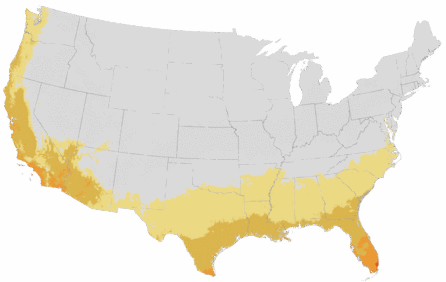
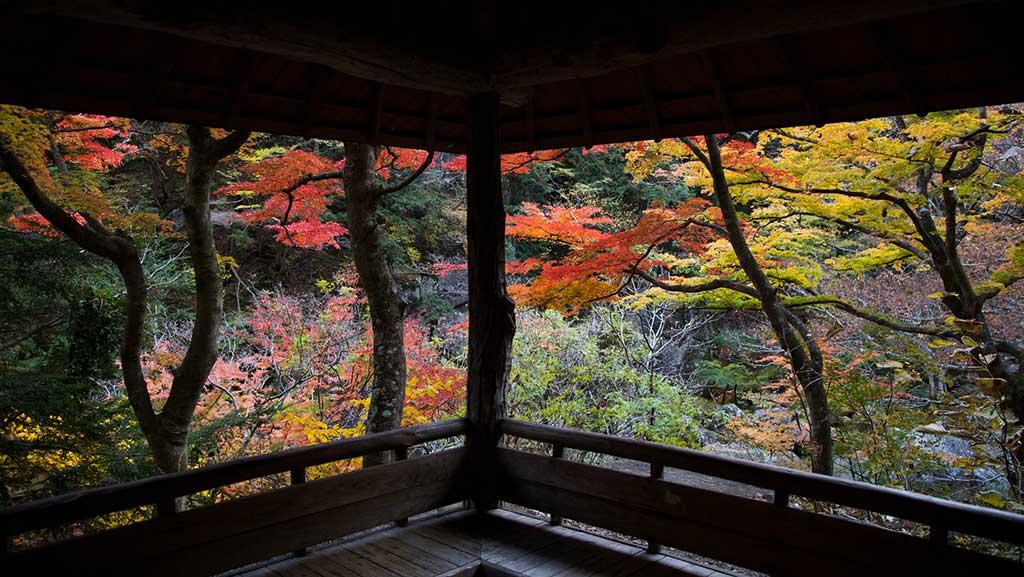
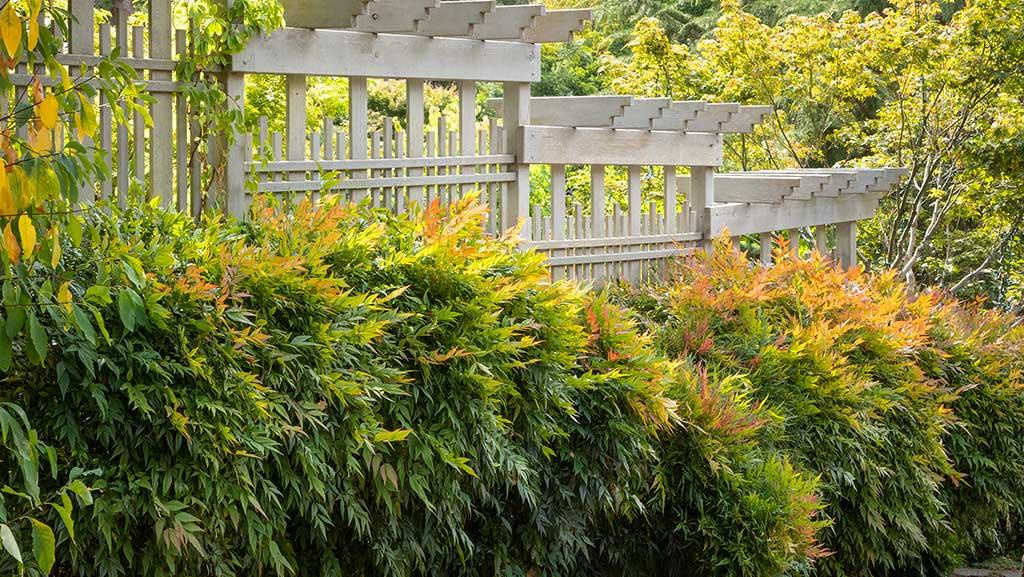
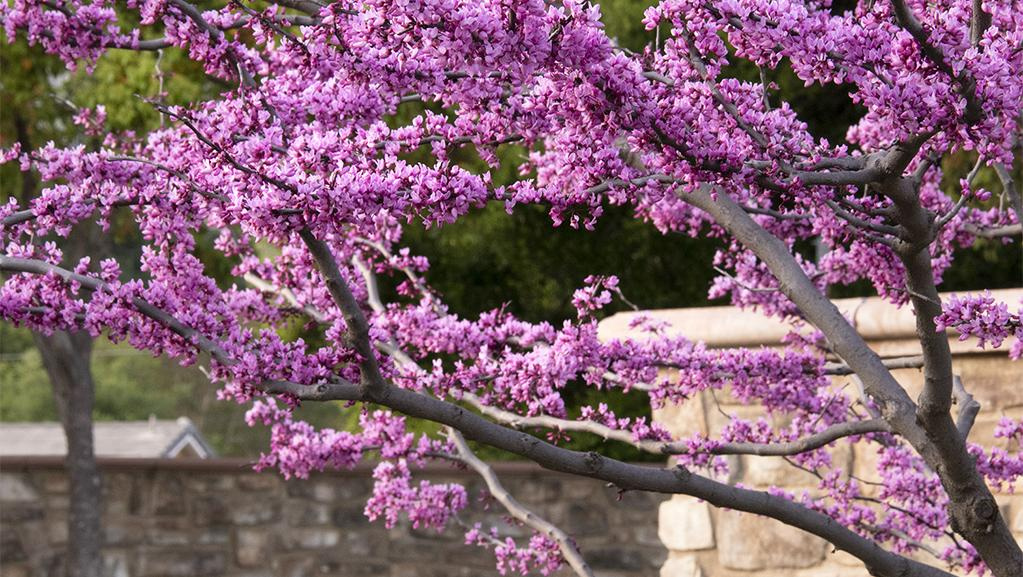
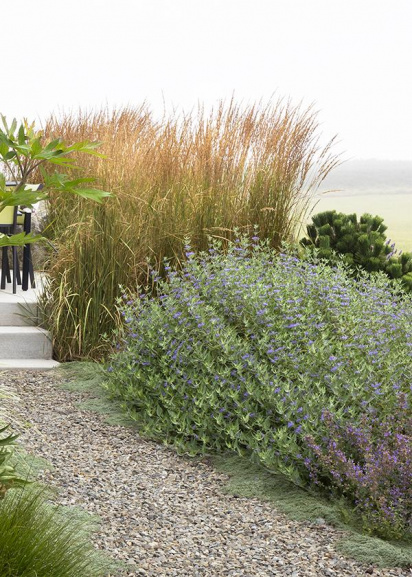
| Description | This dense, formal, low-maintenance form is ideal in containers or as a low hedge in place of a boxwood. A great choice to line a walkway or surround a rose or perennial garden. Provides year-round beauty with bright green foliage, maintaining a natural rounded shape that seldom needs pruning. Evergreen. |
|---|---|
| Bloom Time | Inconspicuous; prized for foliage. |
| Deciduous/Evergreen | Evergreen |
| Special Features | Easy Care, Waterwise, Compact Form |
| Problems/Solutions | Tolerates Urban Pollution |
| Growth Rate | Moderate |
| Patent Act | Asexual reproduction of plants protected by the Plant Patent Act is prohibited during the life of the patent. |
| Landscape Use | Border, Container, Hedge |
| Design Ideas | Even growth and dense habit yield a near perfect shrub for hedges in formal gardens, parterres and as edging for walks and entries. Single specimens lend themselves to simply sheared geometric shapes. Light pruning renders a tidy natural form and reliable source of bright green in mixed beds and borders. Well adapted to growing in containers for semi-formal effects on porch, patio or terrace. |
| Foliage Color | Light Green |
| Companion Plants | Agapanthus (Agapanthus) Heavenly Bamboo (Nandina); Loropetalum (Loropetalum); Bottlebrush (Callistemon); Blue Oat Grass (Helictotrichon) |
| Care Instructions | Provide average, well-drained soil. Water deeply, regularly during first growing season to establish an extensive root system. Once established, reduce frequency; tolerates moderate drought. Apply a slow-release fertilizer before new growth begins in spring. For a neat appearance, periodically prune lightly to shape. |
| History | This plant is grouped into the signature genus for the Pittosporaceae. P. tenuifolium is a native of New Zealand where it is commonly known as kohuhu or tawhiwhi. It was classified by Sir Joseph Banks, one of the great English plant explorers of the 19th century. While P. tobira and even lesser known P. undulatum are common landscape plants, this species is newly entering the market. 'Golf Ball' is a Monrovia exclusive derived from New Zealand. |
| Lore | In New Zealand, the Maori people called the plant tawhiwhi. They knew that the plant had a toxic effect on fish, due to the naturally occurring saponins. Traditionally, hunting tribes used it to fish by adding large quantities of the ground-up plant in small pools of water, thereby stunning the fish. |
Details
| Description | This dense, formal, low-maintenance form is ideal in containers or as a low hedge in place of a boxwood. A great choice to line a walkway or surround a rose or perennial garden. Provides year-round beauty with bright green foliage, maintaining a natural rounded shape that seldom needs pruning. Evergreen. |
|---|---|
| Bloom Time | Inconspicuous; prized for foliage. |
| Deciduous/Evergreen | Evergreen |
| Special Features | Easy Care, Waterwise, Compact Form |
| Problems/Solutions | Tolerates Urban Pollution |
| Growth Rate | Moderate |
| Patent Act | Asexual reproduction of plants protected by the Plant Patent Act is prohibited during the life of the patent. |
Style
| Landscape Use | Border, Container, Hedge |
|---|---|
| Design Ideas | Even growth and dense habit yield a near perfect shrub for hedges in formal gardens, parterres and as edging for walks and entries. Single specimens lend themselves to simply sheared geometric shapes. Light pruning renders a tidy natural form and reliable source of bright green in mixed beds and borders. Well adapted to growing in containers for semi-formal effects on porch, patio or terrace. |
| Foliage Color | Light Green |
| Companion Plants | Agapanthus (Agapanthus) Heavenly Bamboo (Nandina); Loropetalum (Loropetalum); Bottlebrush (Callistemon); Blue Oat Grass (Helictotrichon) |
Care
| Care Instructions | Provide average, well-drained soil. Water deeply, regularly during first growing season to establish an extensive root system. Once established, reduce frequency; tolerates moderate drought. Apply a slow-release fertilizer before new growth begins in spring. For a neat appearance, periodically prune lightly to shape. |
|---|
History
| History | This plant is grouped into the signature genus for the Pittosporaceae. P. tenuifolium is a native of New Zealand where it is commonly known as kohuhu or tawhiwhi. It was classified by Sir Joseph Banks, one of the great English plant explorers of the 19th century. While P. tobira and even lesser known P. undulatum are common landscape plants, this species is newly entering the market. 'Golf Ball' is a Monrovia exclusive derived from New Zealand. |
|---|---|
| Lore | In New Zealand, the Maori people called the plant tawhiwhi. They knew that the plant had a toxic effect on fish, due to the naturally occurring saponins. Traditionally, hunting tribes used it to fish by adding large quantities of the ground-up plant in small pools of water, thereby stunning the fish. |
Retailers Near You
About Us
We have been pioneers and craftsmen in the art of growing plants for 100 years. Since our founding in Southern California by Harry E. Rosedale, Sr. in 1926, we have been absolutely dedicated and obsessed with quality.
We have been pioneers and craftsmen in the art of growing plants for nearly 100 years. Since our founding in Southern California by Harry E. Rosedale, Sr. in 1926, we have been absolutely dedicated and obsessed with quality.