
You're growing in this Zip Code:
Change LocationDiscover Plants for Your Area
Goshiki Osmanthus
Osmanthus heterophyllus 'Goshiki'
Pronunciation: oz-MAN-thus het-er-o-FIL-us
SKU #06323
LIGHT:
Full sun, Partial sun
WATER:
Water when top 2 inches of soil is dry.
SIZE:
Reaches 3 to 5 ft. tall, 4 ft. wide in 10 years; taller with age.

Home Delivery Price
?
- Arrives in 3 to 7 days
- Free shipping on orders over $99
- Perfect Start Promise
Select Quantity
Retailers Near You
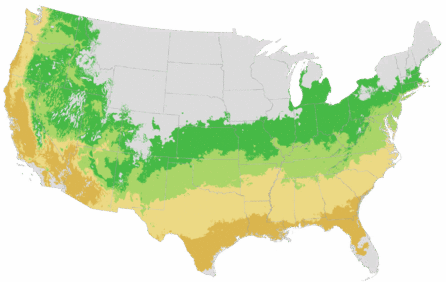
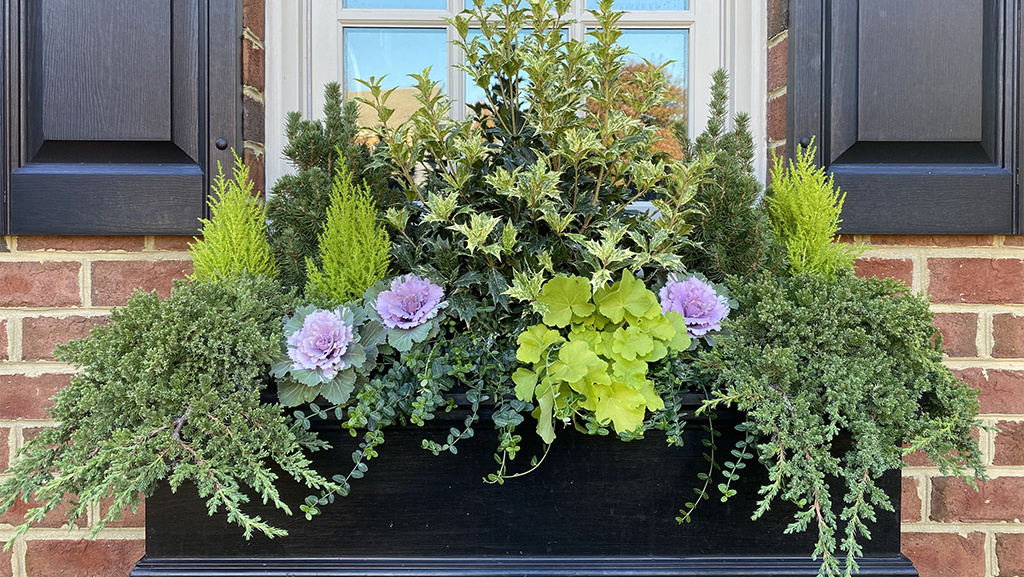
| Description | Goshiki translates from Japanese as "five colors". Its new leaves emerge red and quickly turn green. The green leaves are daubed with spots of creamy white, gray-green, and yellow-green. This lovely evergreen selection makes a great accent or hedge. |
|---|---|
| Bloom Time | Occasional insignificant flowers in summer. |
| Deciduous/Evergreen | Evergreen |
| Special Features | Dramatic Foliage Color, Easy Care, Compact Form |
| Growth Rate | Moderate |
| Growth Habit | Mounding |
| Landscape Use | Border, Hedge |
| Design Ideas | Use as a low prickly hedge or try as a unique mid-height accent in shrub borders. Far wider than it is tall, group to cover large bare areas of the garden. |
| Flower Color | White |
| Foliage Color | Green |
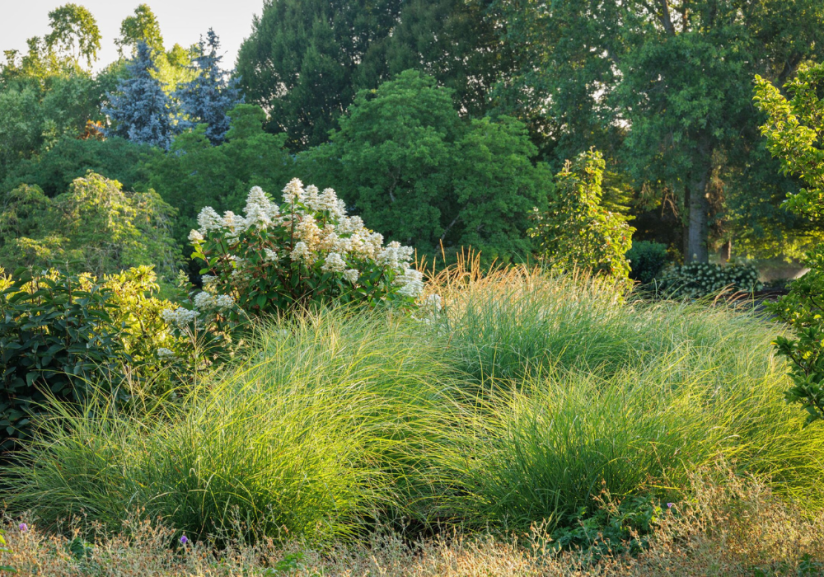
| Companion Plants | Fountain Grass (Pennisetum); Boxwood (Buxus); Daylily (Hemerocallis); Loropetalum (Loropetalum); Heavenly Bamboo (Nandina) |
| Care Instructions | Provide enriched, moist, well-drained soil. Water deeply, regularly during the first growing season to establish an extensive root system; once established, water as needed to maintain evenly moist soil. Fertilize in early spring. Prune annually for a neat appearance and to maintain desired size and shape. |
| History | Native to Eastern Asia, Osmanthus heterophyllus is mentioned in the oldest surviving historical record of Japan. It is believed to have been used to make holly wood spears and used in battle to subdue the East. The prickly and non-prickly plants are sometimes referred to as male and female, although the leaf texture is not related to the plant sexuality. |
Details
| Description | Goshiki translates from Japanese as "five colors". Its new leaves emerge red and quickly turn green. The green leaves are daubed with spots of creamy white, gray-green, and yellow-green. This lovely evergreen selection makes a great accent or hedge. |
|---|---|
| Bloom Time | Occasional insignificant flowers in summer. |
| Deciduous/Evergreen | Evergreen |
| Special Features | Dramatic Foliage Color, Easy Care, Compact Form |
| Growth Rate | Moderate |
| Growth Habit | Mounding |
Style
| Landscape Use | Border, Hedge |
|---|---|
| Design Ideas | Use as a low prickly hedge or try as a unique mid-height accent in shrub borders. Far wider than it is tall, group to cover large bare areas of the garden. |
| Flower Color | White |
| Foliage Color | Green |
| Companion Plants | Fountain Grass (Pennisetum); Boxwood (Buxus); Daylily (Hemerocallis); Loropetalum (Loropetalum); Heavenly Bamboo (Nandina) |
Care
| Care Instructions | Provide enriched, moist, well-drained soil. Water deeply, regularly during the first growing season to establish an extensive root system; once established, water as needed to maintain evenly moist soil. Fertilize in early spring. Prune annually for a neat appearance and to maintain desired size and shape. |
|---|
History
| History | Native to Eastern Asia, Osmanthus heterophyllus is mentioned in the oldest surviving historical record of Japan. It is believed to have been used to make holly wood spears and used in battle to subdue the East. The prickly and non-prickly plants are sometimes referred to as male and female, although the leaf texture is not related to the plant sexuality. |
|---|
Frequently asked questions
Does Goshiki Osmanthus produce flowers?
Occasional insignificant flowers in summer.
Is Goshiki Osmanthus evergreen or deciduous?
Goshiki Osmanthus is Evergreen.
What are the special features of Goshiki Osmanthus?
Goshiki Osmanthus is Dramatic Foliage Color, Easy Care, Compact Form.
How fast does Goshiki Osmanthus grow?
Goshiki Osmanthus has a Moderate growth rate.
What is the growth habit of Goshiki Osmanthus?
Goshiki Osmanthus grows in an Mounding habit.
Where can I use Goshiki Osmanthus in my landscape?
Goshiki Osmanthus is suitable for: Border, Hedge.
How can I use Goshiki Osmanthus in my garden design?
Use as a low prickly hedge or try as a unique mid-height accent in shrub borders. Far wider than it is tall, group to cover large bare areas of the garden.
What color are Goshiki Osmanthus flowers?
Goshiki Osmanthus produces White flowers.
What color is the foliage of Goshiki Osmanthus?
Goshiki Osmanthus has Green foliage.
What plants grow well with Goshiki Osmanthus?
Good companion plants for Goshiki Osmanthus include: Fountain Grass (Pennisetum); Boxwood (Buxus); Daylily (Hemerocallis); Loropetalum (Loropetalum); Heavenly Bamboo (Nandina).
How do I care for Goshiki Osmanthus?
Provide enriched, moist, well-drained soil. Water deeply, regularly during the first growing season to establish an extensive root system; once established, water as needed to maintain evenly moist soil. Fertilize in early spring. Prune annually for a neat appearance and to maintain desired size and shape.
What is the history of Goshiki Osmanthus?
Native to Eastern Asia, Osmanthus heterophyllus is mentioned in the oldest surviving historical record of Japan. It is believed to have been used to make holly wood spears and used in battle to subdue the East. The prickly and non-prickly plants are sometimes referred to as male and female, although the leaf texture is not related to the plant sexuality.
Retailers Near You
About Us
We have been pioneers and craftsmen in the art of growing plants for 100 years. Since our founding in Southern California by Harry E. Rosedale, Sr. in 1926, we have been absolutely dedicated and obsessed with quality.
We have been pioneers and craftsmen in the art of growing plants for nearly 100 years. Since our founding in Southern California by Harry E. Rosedale, Sr. in 1926, we have been absolutely dedicated and obsessed with quality.