
You're growing in this Zip Code:
Change LocationDiscover Plants for Your Area
Green Lavender Cotton
Santolina virens
Pronunciation: san-tow-LEEN-ah VY-renz
SKU #07045
LIGHT:
Full sun
WATER:
Once established, water occasionally.
SIZE:
Moderate growing; reaches 2 ft. tall and slightly wider.

Retailers Near You
Ready to Grow?
Ship Monrovia plants directly to your door. Browse a curated selection available online.
Shop Now >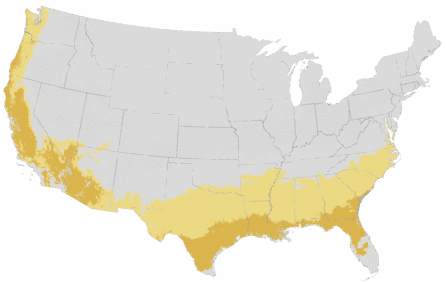

| Description | A tidy, neat mound with attractive, bright green, fragrant foliage and a showy display of creamy white button flowers on wiry stems. An effective groundcover or edging for walks or borders. Good foreground for an herb garden. Heat and drought tolerant. Evergreen. |
|---|---|
| Bloom Time | Summer |
| Deciduous/Evergreen | Evergreen |
| Special Features | Easy Care, Waterwise |
| Problems/Solutions | Coastal Exposure, Deer Resistant, Rabbit Resistant, Drought Tolerant |
| Growth Rate | Moderate |
| Flower Attributes | Showy Flowers |
| Landscape Use | Border, Container, Ground Cover, Edging |
| Design Ideas | Use as a divider in the garden, as an edger along a path or in front of a shrub border. An essential of knot gardens. Drought resistance is ideal for xersicape planting in beds and borders. Add to Mediterranean style landscapes both in ground and in pots. Cute in aged terra cotta sheared into neat forms. |
| Flower Color | Yellow |
| Foliage Color | Green |
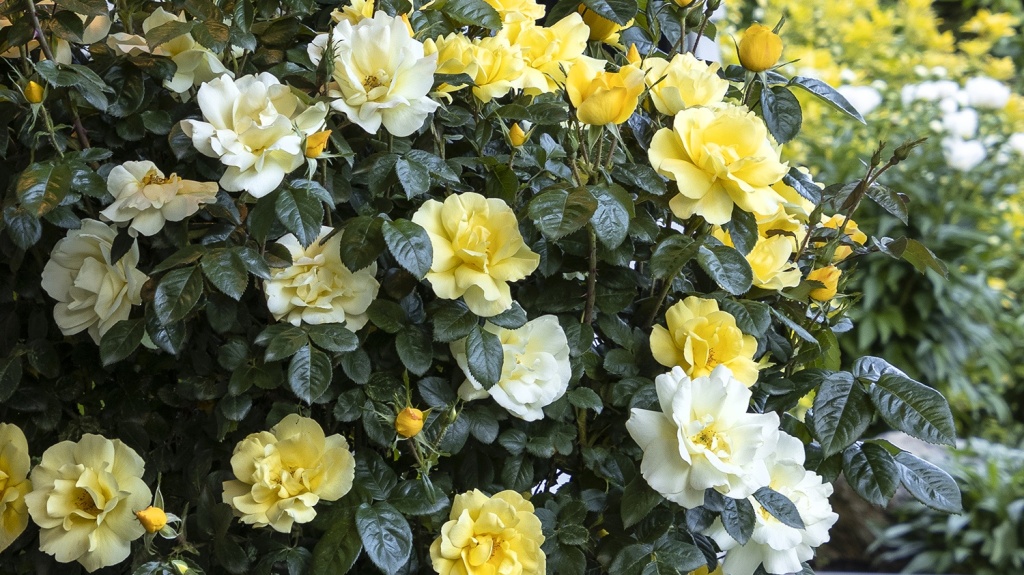
| Companion Plants | Shrub Rose (Rosa); Catmint (Nepeta); Verbena (Verbena); Lavender (Lavandula); Rosemary (Rosmarinus) |
| Care Instructions | Thrives in loose, soils with excellent drainage; avoid overly wet soils. Water deeply and regularly during the first growing season to establish an extensive root system; reduce frequency once established. Apply a general purpose fertilizer in spring. Prune annually after flowering for a tidy, compact appearance. |
| History | This genus includes about eight species with only a few in cultivation. It is native to much of the Mediterranean where aromatic foliage protects from browsing wildlife. Plants became popular in medieval times as a vital component of knot gardens which provided fortified castle communities with fresh clippings for cloaking unpleasant scents and pest control. |
| Lore | This species and its cousin, S. chamaecyparissuswere cultivated in France as a pantry insect repellent. |
Details
| Description | A tidy, neat mound with attractive, bright green, fragrant foliage and a showy display of creamy white button flowers on wiry stems. An effective groundcover or edging for walks or borders. Good foreground for an herb garden. Heat and drought tolerant. Evergreen. |
|---|---|
| Bloom Time | Summer |
| Deciduous/Evergreen | Evergreen |
| Special Features | Easy Care, Waterwise |
| Problems/Solutions | Coastal Exposure, Deer Resistant, Rabbit Resistant, Drought Tolerant |
| Growth Rate | Moderate |
| Flower Attributes | Showy Flowers |
Style
| Landscape Use | Border, Container, Ground Cover, Edging |
|---|---|
| Design Ideas | Use as a divider in the garden, as an edger along a path or in front of a shrub border. An essential of knot gardens. Drought resistance is ideal for xersicape planting in beds and borders. Add to Mediterranean style landscapes both in ground and in pots. Cute in aged terra cotta sheared into neat forms. |
| Flower Color | Yellow |
| Foliage Color | Green |
| Companion Plants | Shrub Rose (Rosa); Catmint (Nepeta); Verbena (Verbena); Lavender (Lavandula); Rosemary (Rosmarinus) |
Care
| Care Instructions | Thrives in loose, soils with excellent drainage; avoid overly wet soils. Water deeply and regularly during the first growing season to establish an extensive root system; reduce frequency once established. Apply a general purpose fertilizer in spring. Prune annually after flowering for a tidy, compact appearance. |
|---|
History
| History | This genus includes about eight species with only a few in cultivation. It is native to much of the Mediterranean where aromatic foliage protects from browsing wildlife. Plants became popular in medieval times as a vital component of knot gardens which provided fortified castle communities with fresh clippings for cloaking unpleasant scents and pest control. |
|---|---|
| Lore | This species and its cousin, S. chamaecyparissuswere cultivated in France as a pantry insect repellent. |
Frequently asked questions
Does Green Lavender Cotton produce flowers?
Summer
Is Green Lavender Cotton evergreen or deciduous?
Green Lavender Cotton is Evergreen.
What are the special features of Green Lavender Cotton?
Green Lavender Cotton is Easy Care, Waterwise.
Is Green Lavender Cotton resistant to pests or animals?
Coastal Exposure, Deer Resistant, Rabbit Resistant, Drought Tolerant
How fast does Green Lavender Cotton grow?
Green Lavender Cotton has a Moderate growth rate.
Where can I use Green Lavender Cotton in my landscape?
Green Lavender Cotton is suitable for: Border, Container, Ground Cover, Edging.
How can I use Green Lavender Cotton in my garden design?
Use as a divider in the garden, as an edger along a path or in front of a shrub border. An essential of knot gardens. Drought resistance is ideal for xersicape planting in beds and borders. Add to Mediterranean style landscapes both in ground and in pots. Cute in aged terra cotta sheared into neat forms.
What color are Green Lavender Cotton flowers?
Green Lavender Cotton produces Yellow flowers.
What color is the foliage of Green Lavender Cotton?
Green Lavender Cotton has Green foliage.
What plants grow well with Green Lavender Cotton?
Good companion plants for Green Lavender Cotton include: Shrub Rose (Rosa); Catmint (Nepeta); Verbena (Verbena); Lavender (Lavandula); Rosemary (Rosmarinus).
How do I care for Green Lavender Cotton?
Thrives in loose, soils with excellent drainage; avoid overly wet soils. Water deeply and regularly during the first growing season to establish an extensive root system; reduce frequency once established. Apply a general purpose fertilizer in spring. Prune annually after flowering for a tidy, compact appearance.
What is the history of Green Lavender Cotton?
This genus includes about eight species with only a few in cultivation. It is native to much of the Mediterranean where aromatic foliage protects from browsing wildlife. Plants became popular in medieval times as a vital component of knot gardens which provided fortified castle communities with fresh clippings for cloaking unpleasant scents and pest control.
Retailers Near You
About Us
We have been pioneers and craftsmen in the art of growing plants for 100 years. Since our founding in Southern California by Harry E. Rosedale, Sr. in 1926, we have been absolutely dedicated and obsessed with quality.
We have been pioneers and craftsmen in the art of growing plants for nearly 100 years. Since our founding in Southern California by Harry E. Rosedale, Sr. in 1926, we have been absolutely dedicated and obsessed with quality.