
You're growing in this Zip Code:
Change LocationDiscover Plants for Your Area
Heritage Raspberry
Rubus idaeus var. strigosus 'Heritage'
Pronunciation: ROO-bus eye-DAY-us strig-OH-sus
SKU #07004
LIGHT:
Full sun
WATER:
Water when top 2 inches of soil is dry.
SIZE:
Rapid-growing canes reach 5 to 8 ft. long.

Retailers Near You
Ready to Grow?
Ship Monrovia plants directly to your door. Browse a curated selection available online.
Shop Now >
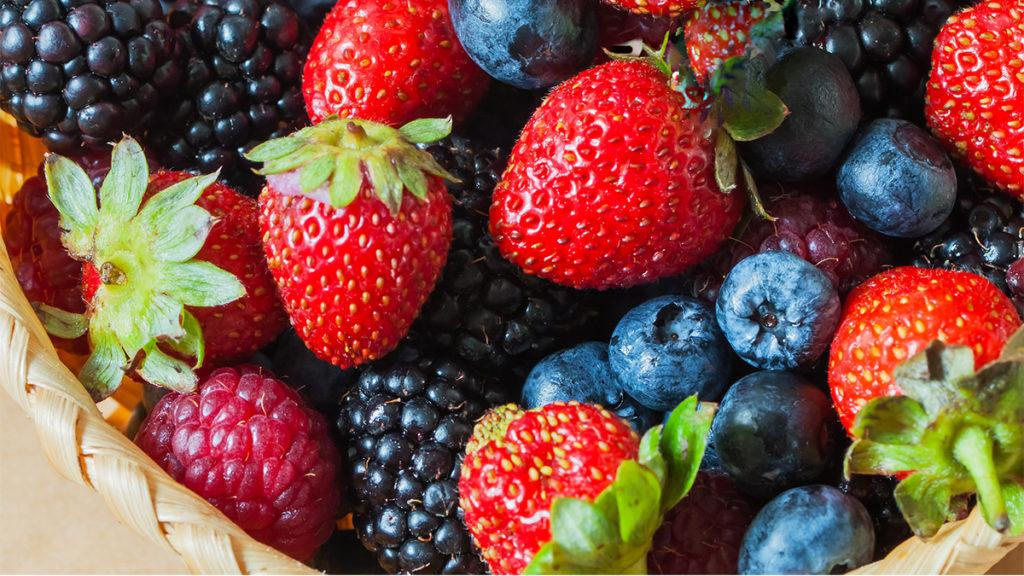
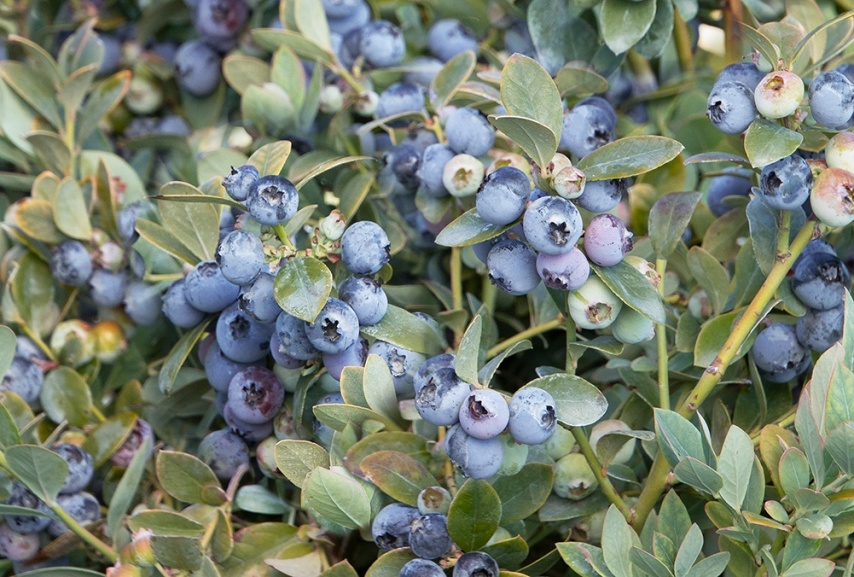
| Description | The classic Heritage is the best fall crop selection! This ever-bearing vine produces a moderate summer crop, followed by an abundant fall harvest of sweet berries. Unlike some, the fruit will not fall to pieces if picking is delayed a day or two; it stays firm and juicy. Excellent flavor for eating fresh or in jams. Deciduous. |
|---|---|
| Bloom Time | Spring |
| Deciduous/Evergreen | Deciduous |
| Special Features | Showy Fruit, Edible, Fast Growing, Benefits Birds |
| Problems/Solutions | Coastal Exposure |
| Growth Rate | Fast |
| Growth Habit | Upright |
| Landscape Use | Border, Espalier |
| Design Ideas | Plant this tasty berry near a fence, wall or wherever you can provide plenty of support and room for its long, fruit-laden canes. Grow as a freestanding shrub in a large garden bed and stake canes. An ideal and delicious Raspberry to grow for two crops or--if all the canes are cut down in late winter--one, large late crop. Be the only one on your block with fresh raspberries in September! |
| Flower Color | White |
| Foliage Color | Green |
| Companion Plants | Salvia (Salvia); Rosemary (Rosmarinus); Yarrow (Achillea); Russian Sage (Perovskia); Lavender (Lavandula) |
| Care Instructions | Provide fertile, well-drained soil. Water deeply, regularly in first growing season to establish extensive root system. After harvest, prune to ground older canes that have fruited, leaving one-year-old canes to produce next season's crop. Train newer canes on trellis. May be lightly tip-pruned and fertilized in spring. |
| History | The genus Rubus aka brambles falls into the Rosaceae family and may resemble some of the bramble roses. This group contains most of the berry fruits that are botanically speaking not true berries but drupe fruit. Linnaeus named it from the classical name for raspberries, ruber, meaning red. He chose the species name from the Roman physician Pliny's description of the plants on Mount Ida in Greece. It is a huge genus with over 400 species in North America alone, which causes treat taxonomic confusion, as well as many others scattered throughout the Northern Hemisphere. This cultivar is noted as a productive thornless variety. |
Details
| Description | The classic Heritage is the best fall crop selection! This ever-bearing vine produces a moderate summer crop, followed by an abundant fall harvest of sweet berries. Unlike some, the fruit will not fall to pieces if picking is delayed a day or two; it stays firm and juicy. Excellent flavor for eating fresh or in jams. Deciduous. |
|---|---|
| Bloom Time | Spring |
| Deciduous/Evergreen | Deciduous |
| Special Features | Showy Fruit, Edible, Fast Growing, Benefits Birds |
| Problems/Solutions | Coastal Exposure |
| Growth Rate | Fast |
| Growth Habit | Upright |
Style
| Landscape Use | Border, Espalier |
|---|---|
| Design Ideas | Plant this tasty berry near a fence, wall or wherever you can provide plenty of support and room for its long, fruit-laden canes. Grow as a freestanding shrub in a large garden bed and stake canes. An ideal and delicious Raspberry to grow for two crops or--if all the canes are cut down in late winter--one, large late crop. Be the only one on your block with fresh raspberries in September! |
| Flower Color | White |
| Foliage Color | Green |
| Companion Plants | Salvia (Salvia); Rosemary (Rosmarinus); Yarrow (Achillea); Russian Sage (Perovskia); Lavender (Lavandula) |
Care
| Care Instructions | Provide fertile, well-drained soil. Water deeply, regularly in first growing season to establish extensive root system. After harvest, prune to ground older canes that have fruited, leaving one-year-old canes to produce next season's crop. Train newer canes on trellis. May be lightly tip-pruned and fertilized in spring. |
|---|
History
| History | The genus Rubus aka brambles falls into the Rosaceae family and may resemble some of the bramble roses. This group contains most of the berry fruits that are botanically speaking not true berries but drupe fruit. Linnaeus named it from the classical name for raspberries, ruber, meaning red. He chose the species name from the Roman physician Pliny's description of the plants on Mount Ida in Greece. It is a huge genus with over 400 species in North America alone, which causes treat taxonomic confusion, as well as many others scattered throughout the Northern Hemisphere. This cultivar is noted as a productive thornless variety. |
|---|
Frequently asked questions
Does Heritage Raspberry produce flowers?
Spring
Is Heritage Raspberry evergreen or deciduous?
Heritage Raspberry is Deciduous.
What are the special features of Heritage Raspberry?
Heritage Raspberry is Showy Fruit, Edible, Fast Growing, Benefits Birds.
Is Heritage Raspberry resistant to pests or animals?
Coastal Exposure
How fast does Heritage Raspberry grow?
Heritage Raspberry has a Fast growth rate.
What is the growth habit of Heritage Raspberry?
Heritage Raspberry grows in an Upright habit.
Where can I use Heritage Raspberry in my landscape?
Heritage Raspberry is suitable for: Border, Espalier.
How can I use Heritage Raspberry in my garden design?
Plant this tasty berry near a fence, wall or wherever you can provide plenty of support and room for its long, fruit-laden canes. Grow as a freestanding shrub in a large garden bed and stake canes. An ideal and delicious Raspberry to grow for two crops or--if all the canes are cut down in late winter--one, large late crop. Be the only one on your block with fresh raspberries in September!
What color are Heritage Raspberry flowers?
Heritage Raspberry produces White flowers.
What color is the foliage of Heritage Raspberry?
Heritage Raspberry has Green foliage.
What plants grow well with Heritage Raspberry?
Good companion plants for Heritage Raspberry include: Salvia (Salvia); Rosemary (Rosmarinus); Yarrow (Achillea); Russian Sage (Perovskia); Lavender (Lavandula).
How do I care for Heritage Raspberry?
Provide fertile, well-drained soil. Water deeply, regularly in first growing season to establish extensive root system. After harvest, prune to ground older canes that have fruited, leaving one-year-old canes to produce next season's crop. Train newer canes on trellis. May be lightly tip-pruned and fertilized in spring.
What is the history of Heritage Raspberry?
The genus Rubus aka brambles falls into the Rosaceae family and may resemble some of the bramble roses. This group contains most of the berry fruits that are botanically speaking not true berries but drupe fruit. Linnaeus named it from the classical name for raspberries, ruber, meaning red. He chose the species name from the Roman physician Pliny's description of the plants on Mount Ida in Greece. It is a huge genus with over 400 species in North America alone, which causes treat taxonomic confusion, as well as many others scattered throughout the Northern Hemisphere. This cultivar is noted as a productive thornless variety.
Retailers Near You
About Us
We have been pioneers and craftsmen in the art of growing plants for 100 years. Since our founding in Southern California by Harry E. Rosedale, Sr. in 1926, we have been absolutely dedicated and obsessed with quality.
We have been pioneers and craftsmen in the art of growing plants for nearly 100 years. Since our founding in Southern California by Harry E. Rosedale, Sr. in 1926, we have been absolutely dedicated and obsessed with quality.