
You're growing in this Zip Code:
Discover Plants for Your Area
Hetz Mini Arborvitae
Thuja occidentalis 'Hetz Mid.'
Pronunciation: THOO-yuh ok-si-den-TAY-lis
SKU #07292
LIGHT:
Full sun, Partial sun
WATER:
Water when top 2 inches of soil is dry.
SIZE:
Slow growing; reaches 3 to 4 ft. tall and wide.

Home Delivery Price
?
- Arrives in 3 to 7 days
- Free shipping on orders over $149
- Perfect Start Promise
Select Quantity
Retailers Near You
This Plant's Growing Zones: 3-7
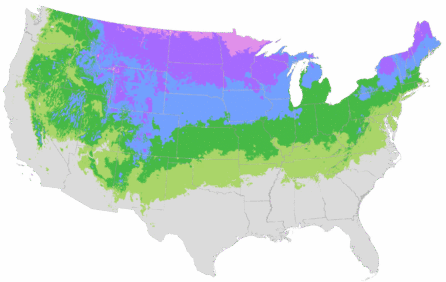
Your USDA Cold Hardiness Zone:
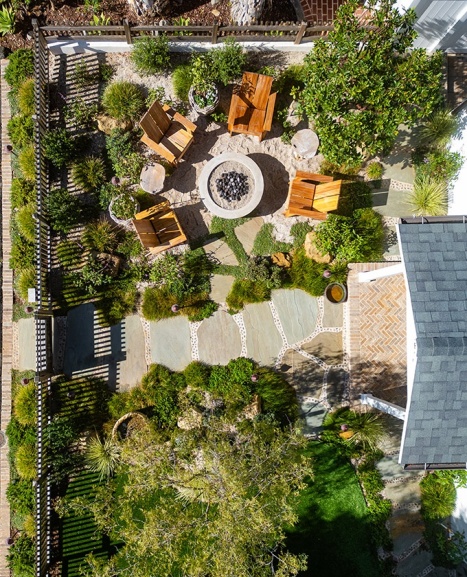
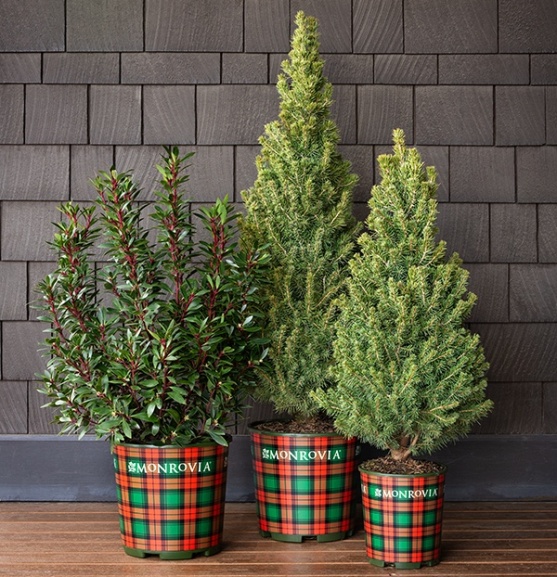
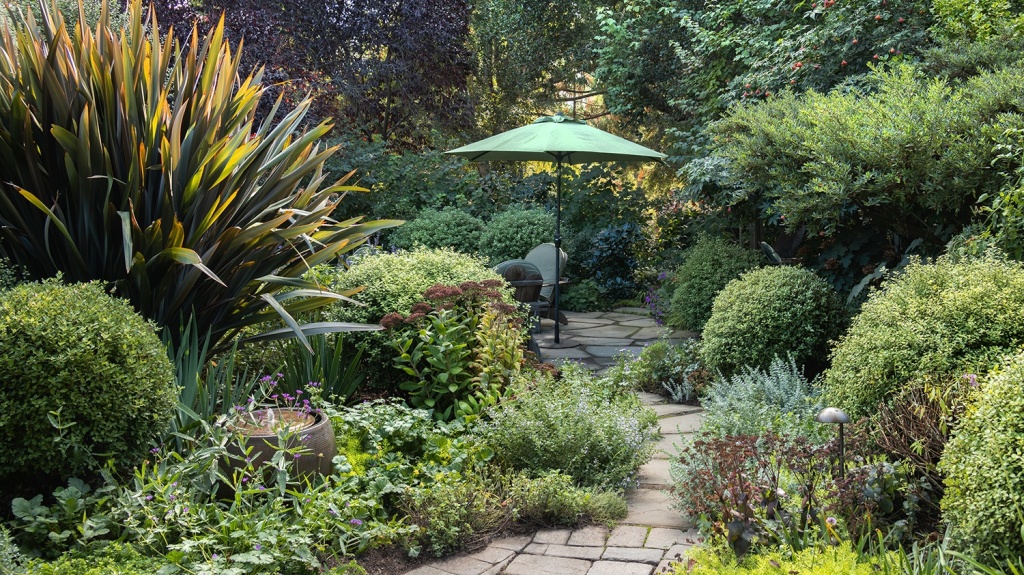
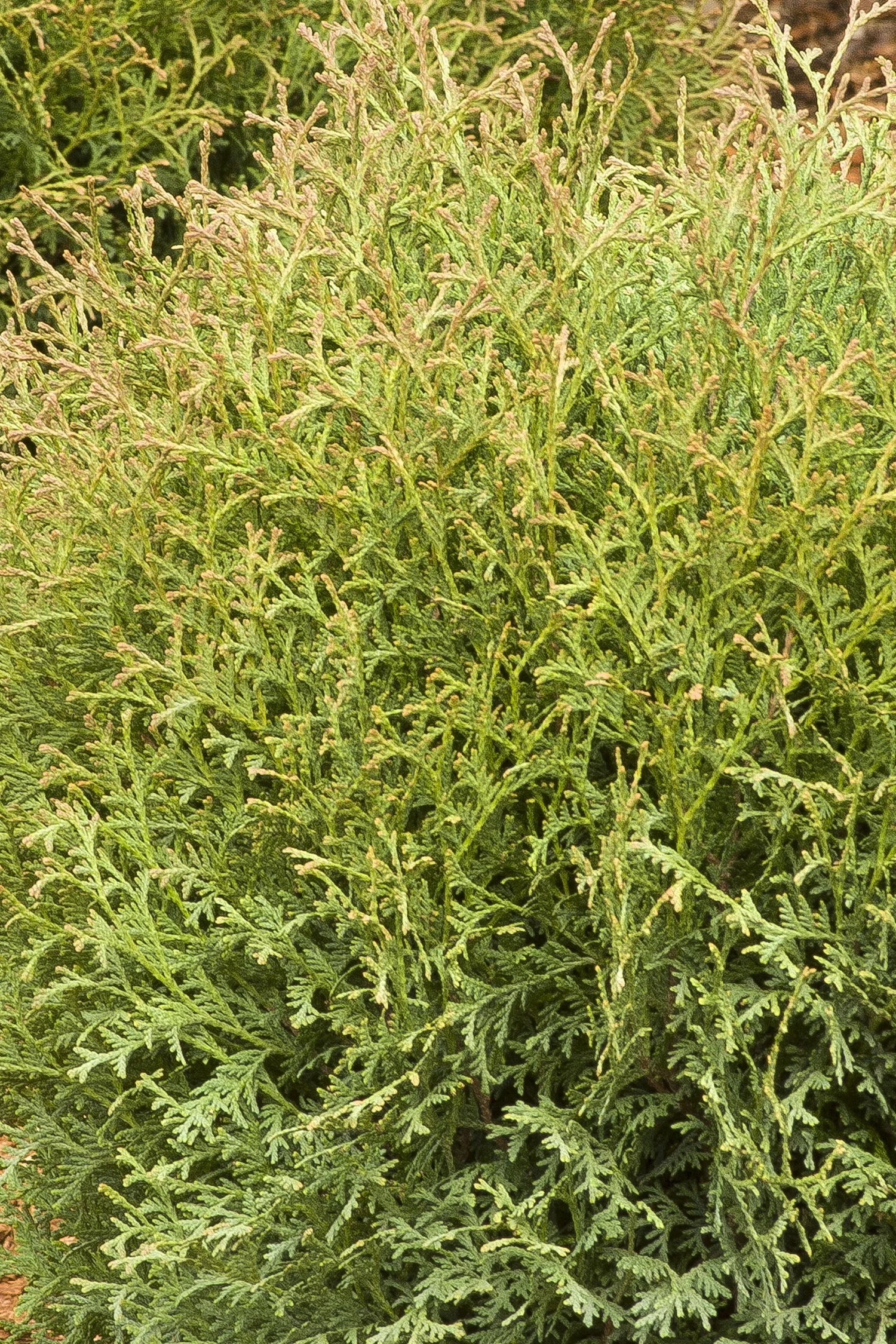
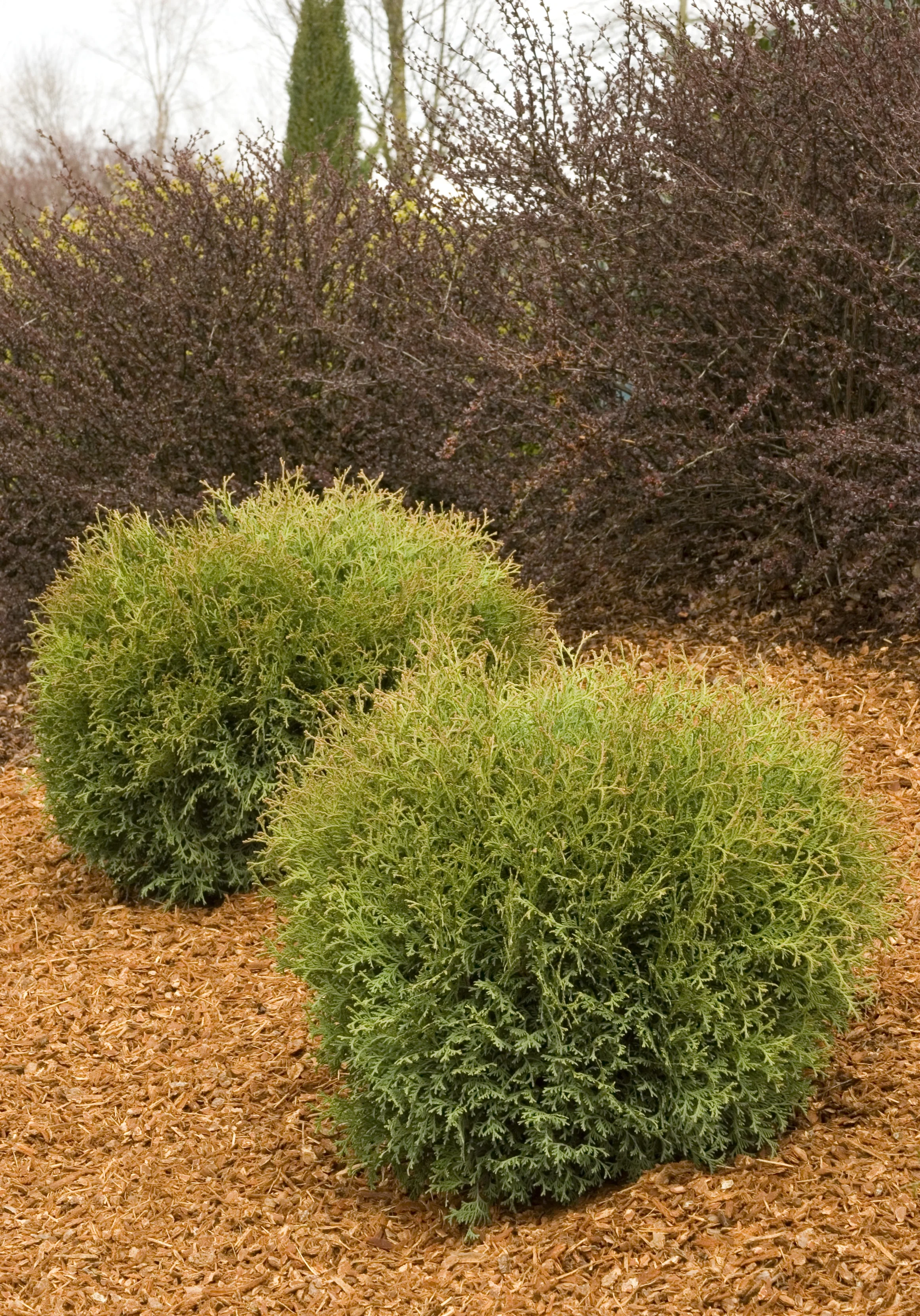
| Description | A small evergreen shrub with a dense, naturally globe-shaped growth habit. Rich green scale-like foliage is arranged in flat layered sprays. The compact form makes this a popular accent plant for mixed borders or containers. A very adaptable, tough, durable plant. |
|---|---|
| Bloom Time | Conifer; prized for foliage. |
| Deciduous/Evergreen | Evergreen |
| Special Features | Easy Care, Compact Form |
| Problems/Solutions | Coastal Exposure, Very Wet Areas, Tolerates Urban Pollution |
| Growth Rate | Slow |
| Growth Habit | Rounded |
| Landscape Use | Border, Container, Hedge |
| Design Ideas | This bright small arborvitae is exceptional in limited city gardens and courtyards with trying conditions as small hedge or spherical semiformal accents. This form is exceptional for spare modern design gently clipped to geometric perfection. Use in beds and borders to add interest for the winter months, particularly under snow, when all else is bare. Adapts beautifully to wild and rock gardens where they are exceptional. A problem solver for formal gardens in dry climates of the Southwest where boxwood and other conifers suffer. Makes a fine container foliage plant for porch, patio and terrace. |
| Foliage Color | Green |
| Companion Plants | Snowberry (Symphoricarpos); Maiden Grass (Miscanthus); Weigela (Weigela); Lilac (Syringa); Coneflower (Echinacea) |
| Care Instructions | Thrives in enriched, evenly moist, loamy, well-drained soils; dislikes dry conditions. Mulch around root zone and shelter from drying winds. Water deeply, regularly during first few growing seasons to establish an extensive root system. Fertilize before new growth begins in spring. For a tidy appearance, prune annually to shape. |
| History | These shrubs are members of the cypress family with characteristically scented wood and foliage. The genus was so named from the Greek for resin bearing tree. There are five species native to North American and eastern Asia with only two in cultivation. T. occidentalis is native to the eastern half of North America and was brought into cultivation early on in the 16th century. Hetz Midget was discovered as a seedling in 1928 at Fairview Nurseries, Fairview, PA, but not introduced until 1942. |
| Lore | Cypress wood is valued for its resistance to decomposition and as such is used for fence posts and other examples of earth-to-wood contact. Leaves and twigs produce a camphor-like essential oil. |
Details
| Description | A small evergreen shrub with a dense, naturally globe-shaped growth habit. Rich green scale-like foliage is arranged in flat layered sprays. The compact form makes this a popular accent plant for mixed borders or containers. A very adaptable, tough, durable plant. |
|---|---|
| Bloom Time | Conifer; prized for foliage. |
| Deciduous/Evergreen | Evergreen |
| Special Features | Easy Care, Compact Form |
| Problems/Solutions | Coastal Exposure, Very Wet Areas, Tolerates Urban Pollution |
| Growth Rate | Slow |
| Growth Habit | Rounded |
Style
| Landscape Use | Border, Container, Hedge |
|---|---|
| Design Ideas | This bright small arborvitae is exceptional in limited city gardens and courtyards with trying conditions as small hedge or spherical semiformal accents. This form is exceptional for spare modern design gently clipped to geometric perfection. Use in beds and borders to add interest for the winter months, particularly under snow, when all else is bare. Adapts beautifully to wild and rock gardens where they are exceptional. A problem solver for formal gardens in dry climates of the Southwest where boxwood and other conifers suffer. Makes a fine container foliage plant for porch, patio and terrace. |
| Foliage Color | Green |
| Companion Plants | Snowberry (Symphoricarpos); Maiden Grass (Miscanthus); Weigela (Weigela); Lilac (Syringa); Coneflower (Echinacea) |
Care
| Care Instructions | Thrives in enriched, evenly moist, loamy, well-drained soils; dislikes dry conditions. Mulch around root zone and shelter from drying winds. Water deeply, regularly during first few growing seasons to establish an extensive root system. Fertilize before new growth begins in spring. For a tidy appearance, prune annually to shape. |
|---|
History
| History | These shrubs are members of the cypress family with characteristically scented wood and foliage. The genus was so named from the Greek for resin bearing tree. There are five species native to North American and eastern Asia with only two in cultivation. T. occidentalis is native to the eastern half of North America and was brought into cultivation early on in the 16th century. Hetz Midget was discovered as a seedling in 1928 at Fairview Nurseries, Fairview, PA, but not introduced until 1942. |
|---|---|
| Lore | Cypress wood is valued for its resistance to decomposition and as such is used for fence posts and other examples of earth-to-wood contact. Leaves and twigs produce a camphor-like essential oil. |
Retailers Near You
About Us
We have been pioneers and craftsmen in the art of growing plants for 100 years. Since our founding in Southern California by Harry E. Rosedale, Sr. in 1926, we have been absolutely dedicated and obsessed with quality.
We have been pioneers and craftsmen in the art of growing plants for nearly 100 years. Since our founding in Southern California by Harry E. Rosedale, Sr. in 1926, we have been absolutely dedicated and obsessed with quality.