
You're growing in this Zip Code:
Change LocationDiscover Plants for Your Area
Iko Yama Fuji Silky Wisteria
Wisteria brachybotrys 'Iko Yama Fuji'
Pronunciation: wis-TEER-ee-uh brak-ee-BOT-rees
SKU #44462
LIGHT:
Full sun, Partial sun
WATER:
Water when top 2 inches of soil is dry.
SIZE:
Twining stems reach 25 to 30 ft. long.

Retailers Near You
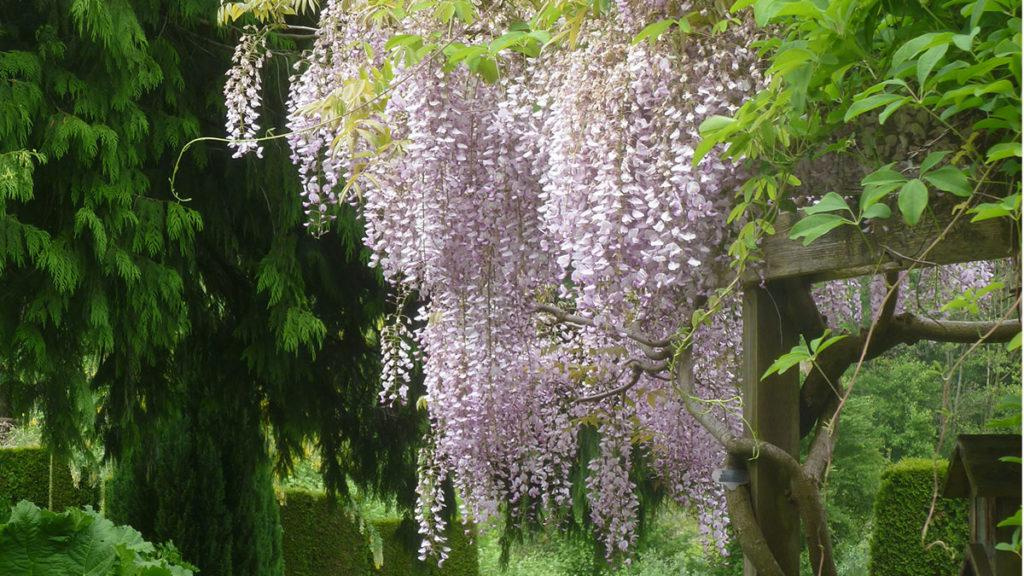

| Description | Lovely, long racemes are covered with rich violet buds that open to highly fragrant, pale lilac blooms in late spring. Develops long seedpods. A profuse bloomer, especially as it ages. An excellent vine for trellis and espalier near porches or windows where the fragrance can be enjoyed. Deciduous. |
|---|---|
| Bloom Time | Late spring to early summer |
| Deciduous/Evergreen | Deciduous |
| Special Features | Attracts Butterflies, Easy Care, Waterwise, Attracts Pollinators, Fast Growing |
| Problems/Solutions | Deer Resistant, Rabbit Resistant |
| Growth Rate | Moderate |
| Flower Attributes | Fragrant, Showy Flowers |
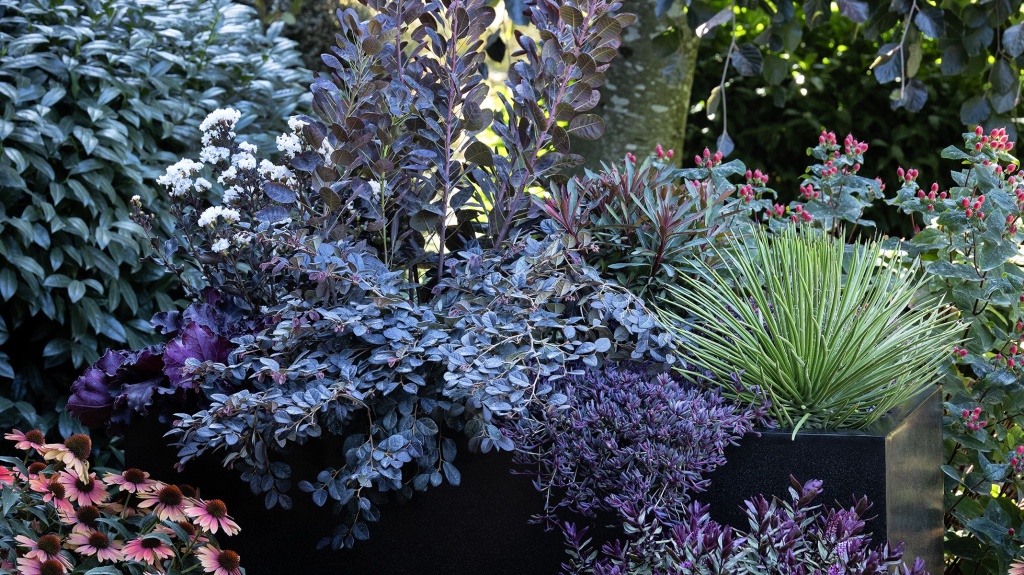
| Landscape Use | Container, Espalier, Small Spaces |
| Flower Color | Purple |
| Foliage Color | Green |
| Companion Plants | Rose (Rosa); Daylily (Hemerocallis); Shasta Daisy (Chrysanthemum); Phlox (Phlox); Salvia (Salvia) |
| Care Instructions | Thrives in average, loamy, well-drained soil, but tolerant of a range of soil conditions. Water deeply, regularly in the first growing season to establish an extensive root system; once established, water as needed to maintain evenly moist soil. Feed in early spring. For a tidy appearance, prune annually after flowering. |
| Lore | The Silky Wisteria (W. brachybotrys, a.k.a. W. venusta) is commonly named such because of the silky hairs on the foliage. The blooms of the Silky Wisteria are heavily scented, and are on very sturdy stalks. The racemes are stockier than many others, with less length (generally 4 to 6 inches) but much broader, and do not vine out as vigorously as other species of wisteria, making them an excellent wisteria for containers and smaller gardens. As they age they will become even more prolific bloomers, especially when trained into a tree form. |
Details
| Description | Lovely, long racemes are covered with rich violet buds that open to highly fragrant, pale lilac blooms in late spring. Develops long seedpods. A profuse bloomer, especially as it ages. An excellent vine for trellis and espalier near porches or windows where the fragrance can be enjoyed. Deciduous. |
|---|---|
| Bloom Time | Late spring to early summer |
| Deciduous/Evergreen | Deciduous |
| Special Features | Attracts Butterflies, Easy Care, Waterwise, Attracts Pollinators, Fast Growing |
| Problems/Solutions | Deer Resistant, Rabbit Resistant |
| Growth Rate | Moderate |
| Flower Attributes | Fragrant, Showy Flowers |
Style
| Landscape Use | Container, Espalier, Small Spaces |
|---|---|
| Flower Color | Purple |
| Foliage Color | Green |
| Companion Plants | Rose (Rosa); Daylily (Hemerocallis); Shasta Daisy (Chrysanthemum); Phlox (Phlox); Salvia (Salvia) |
Care
| Care Instructions | Thrives in average, loamy, well-drained soil, but tolerant of a range of soil conditions. Water deeply, regularly in the first growing season to establish an extensive root system; once established, water as needed to maintain evenly moist soil. Feed in early spring. For a tidy appearance, prune annually after flowering. |
|---|
History
| Lore | The Silky Wisteria (W. brachybotrys, a.k.a. W. venusta) is commonly named such because of the silky hairs on the foliage. The blooms of the Silky Wisteria are heavily scented, and are on very sturdy stalks. The racemes are stockier than many others, with less length (generally 4 to 6 inches) but much broader, and do not vine out as vigorously as other species of wisteria, making them an excellent wisteria for containers and smaller gardens. As they age they will become even more prolific bloomers, especially when trained into a tree form. |
|---|
Retailers Near You
About Us
We have been pioneers and craftsmen in the art of growing plants for 100 years. Since our founding in Southern California by Harry E. Rosedale, Sr. in 1926, we have been absolutely dedicated and obsessed with quality.
We have been pioneers and craftsmen in the art of growing plants for nearly 100 years. Since our founding in Southern California by Harry E. Rosedale, Sr. in 1926, we have been absolutely dedicated and obsessed with quality.