
You're growing in this Zip Code:
Change LocationDiscover Plants for Your Area
Japanese Snowbell
Styrax japonicus
Pronunciation: STY-raks ja-PON-i-kus
SKU #07173
LIGHT:
Full sun, Partial sun
WATER:
Keep soil surface moist, but not soggy.
SIZE:
Slow growing; reaches 20 to 30 ft. tall and wide.

Retailers Near You
Ready to Grow?
Ship Monrovia plants directly to your door. Browse a curated selection available online.
Shop Now >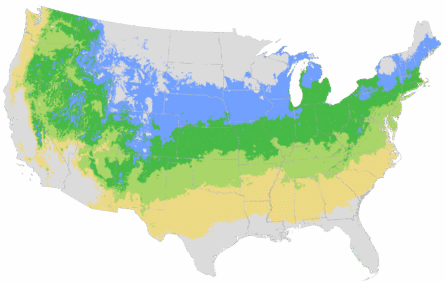
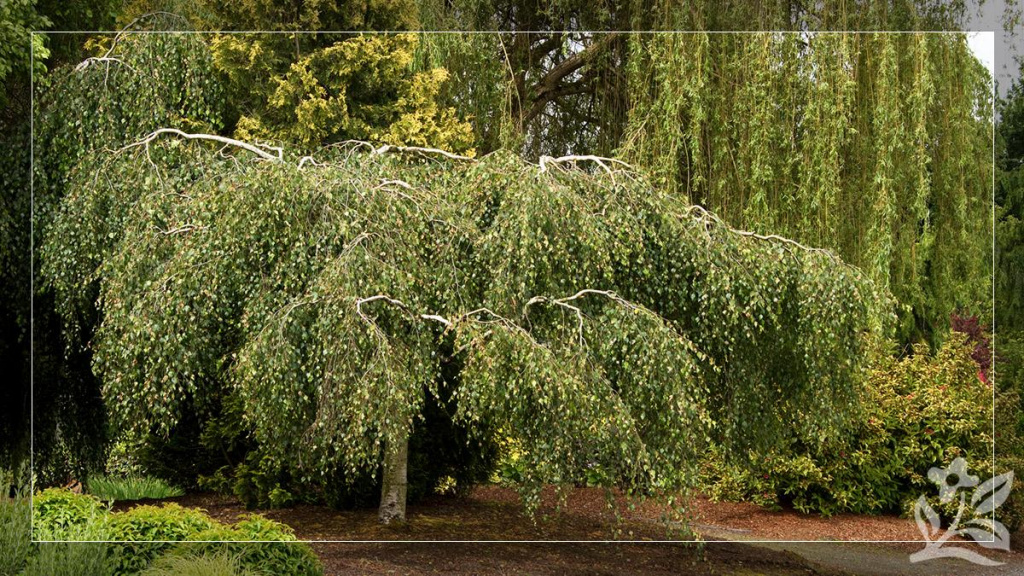
| Description | Lovely, slightly fragrant, white, bell-shaped flowers drip from strongly horizontal side branches with dark green foliage in early summer. A splendid small tree for use adjacent to a patio or near a pathway. Foliage turns yellow to red in the fall. Deciduous. |
|---|---|
| Bloom Time | Early summer |
| Deciduous/Evergreen | Deciduous |
| Special Features | Fall Color, Improved Pest and Disease Resistance |
| Growth Rate | Slow |
| Growth Habit | Rounded |
| Flower Attributes | Fragrant, Showy Flowers |
| Landscape Use | Container |
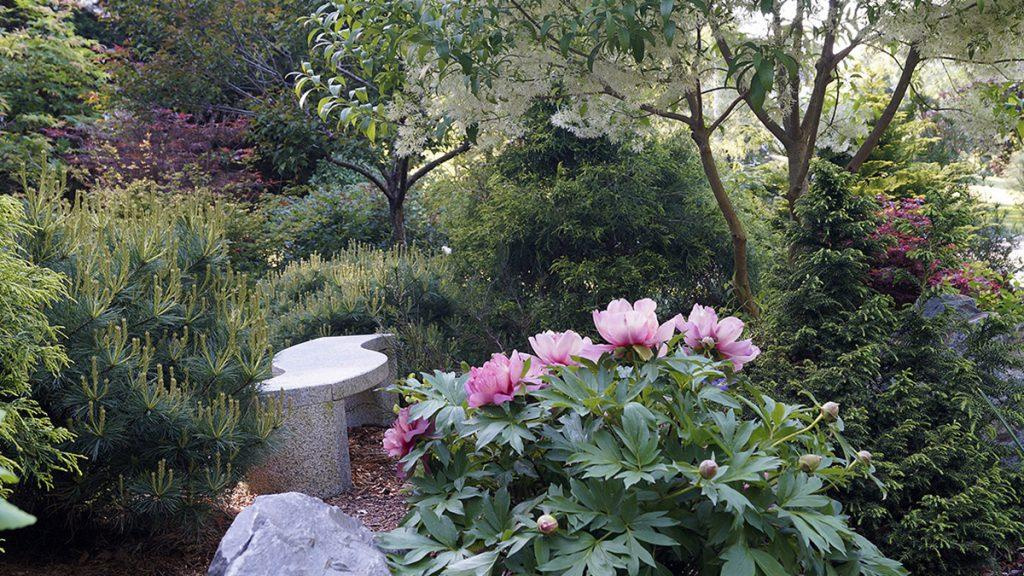
| Design Ideas | Lovely white bells that bloom that dangle from horizontal branches are perfect for looking up into, so when you plant this tree, plant a bench underneath it. The spreading form is part of the charm of this plant, so make sure you give it enough elbow room. |
| Flower Color | White |
| Foliage Color | Dark Green |
| Foliage Fall Color | Red |
| Companion Plants | Hydrangea (Hydrangea); Lily of the Valley Shrub (Pieris); Lenten Rose (Helleborus); Mountain Laurel (Kalmia); Hosta (Hosta) |
| Care Instructions | Provide organically rich, slightly acidic, moist, well-drained soil. Water deeply, regularly during the first growing season to establish root system. Once established, maintain evenly moist soil; will not thrive in dry conditions. Apply fertilizer before new growth begins in early spring. Prune annually to shape in late winter to early spring. |
| History | This styrax is native to China, Japan and Korea where plants have long been selected by the Chinese into various cultivars. |
| Lore | The very strong wood of this tree has traditionally been used to make prayer beads and umbrella handles in Asia. |
Details
| Description | Lovely, slightly fragrant, white, bell-shaped flowers drip from strongly horizontal side branches with dark green foliage in early summer. A splendid small tree for use adjacent to a patio or near a pathway. Foliage turns yellow to red in the fall. Deciduous. |
|---|---|
| Bloom Time | Early summer |
| Deciduous/Evergreen | Deciduous |
| Special Features | Fall Color, Improved Pest and Disease Resistance |
| Growth Rate | Slow |
| Growth Habit | Rounded |
| Flower Attributes | Fragrant, Showy Flowers |
Style
| Landscape Use | Container |
|---|---|
| Design Ideas | Lovely white bells that bloom that dangle from horizontal branches are perfect for looking up into, so when you plant this tree, plant a bench underneath it. The spreading form is part of the charm of this plant, so make sure you give it enough elbow room. |
| Flower Color | White |
| Foliage Color | Dark Green |
| Foliage Fall Color | Red |
| Companion Plants | Hydrangea (Hydrangea); Lily of the Valley Shrub (Pieris); Lenten Rose (Helleborus); Mountain Laurel (Kalmia); Hosta (Hosta) |
Care
| Care Instructions | Provide organically rich, slightly acidic, moist, well-drained soil. Water deeply, regularly during the first growing season to establish root system. Once established, maintain evenly moist soil; will not thrive in dry conditions. Apply fertilizer before new growth begins in early spring. Prune annually to shape in late winter to early spring. |
|---|
History
| History | This styrax is native to China, Japan and Korea where plants have long been selected by the Chinese into various cultivars. |
|---|---|
| Lore | The very strong wood of this tree has traditionally been used to make prayer beads and umbrella handles in Asia. |
Frequently asked questions
Does Japanese Snowbell produce flowers?
Early summer
Is Japanese Snowbell evergreen or deciduous?
Japanese Snowbell is Deciduous.
What are the special features of Japanese Snowbell?
Japanese Snowbell is Fall Color, Improved Pest and Disease Resistance.
How fast does Japanese Snowbell grow?
Japanese Snowbell has a Slow growth rate.
What is the growth habit of Japanese Snowbell?
Japanese Snowbell grows in an Rounded habit.
Where can I use Japanese Snowbell in my landscape?
Japanese Snowbell is suitable for: Container.
How can I use Japanese Snowbell in my garden design?
Lovely white bells that bloom that dangle from horizontal branches are perfect for looking up into, so when you plant this tree, plant a bench underneath it. The spreading form is part of the charm of this plant, so make sure you give it enough elbow room.
What color are Japanese Snowbell flowers?
Japanese Snowbell produces White flowers.
What color is the foliage of Japanese Snowbell?
Japanese Snowbell has Dark Green foliage.
What plants grow well with Japanese Snowbell?
Good companion plants for Japanese Snowbell include: Hydrangea (Hydrangea); Lily of the Valley Shrub (Pieris); Lenten Rose (Helleborus); Mountain Laurel (Kalmia); Hosta (Hosta).
How do I care for Japanese Snowbell?
Provide organically rich, slightly acidic, moist, well-drained soil. Water deeply, regularly during the first growing season to establish root system. Once established, maintain evenly moist soil; will not thrive in dry conditions. Apply fertilizer before new growth begins in early spring. Prune annually to shape in late winter to early spring.
What is the history of Japanese Snowbell?
This styrax is native to China, Japan and Korea where plants have long been selected by the Chinese into various cultivars.
Retailers Near You
About Us
We have been pioneers and craftsmen in the art of growing plants for 100 years. Since our founding in Southern California by Harry E. Rosedale, Sr. in 1926, we have been absolutely dedicated and obsessed with quality.
We have been pioneers and craftsmen in the art of growing plants for nearly 100 years. Since our founding in Southern California by Harry E. Rosedale, Sr. in 1926, we have been absolutely dedicated and obsessed with quality.