
You're growing in this Zip Code:
Change LocationDiscover Plants for Your Area
Joan Senior Daylily
Hemerocallis x 'Joan Senior'
Pronunciation: hem-er-o-KAL-is
SKU #04007
LIGHT:
Full sun
WATER:
Keep soil moist, especially when in bloom.
SIZE:
Moderate growing; forms clumps 20 to 26 in. tall, 18 to 24 in. wide.

Retailers Near You
Ready to Grow?
Ship Monrovia plants directly to your door. Browse a curated selection available online.
Shop Now >

| Description | A reliable rebloomer with a continuous profusion of day-long blooms on tall, slender stems in early summer and late summer. The large, exquisite flowers have creamy white, recurved, frilly petals and pale lime green throats, and rise above the large clumps of graceful, arching, grass-like, green foliage. Semi-evergreen in mild winter regions. |
|---|---|
| Bloom Time | Early summer, again in late summer to fall. |
| Deciduous/Evergreen | Herbaceous |
| Special Features | Easy Care, Waterwise |
| Problems/Solutions | Coastal Exposure, Erosion Control, Rabbit Resistant, Very Wet Areas, Tolerates Urban Pollution, Road Salt Tolerant |
| Growth Rate | Moderate |
| Growth Habit | Clumping |
| Flower Attributes | Repeat Flowering, Showy Flowers |
| Landscape Use | Border, Container, Poolside, Edging |
| Design Ideas | This carefree perennial fits into almost any garden. Spot into perennial borders as individuals or small clusters. Exceptional spotted into beds and borders for instant beauty and covering bare bases of aging shrubs. Perfect for massing and large scale edging. You can arrange them in a row against foundations as a mini hedge. With its strap-leafed form and flowers on long wand-like stems, Daylily offers dramatic relief between dwarf shrubs. |
| Flower Color | White |
| Foliage Color | Green |
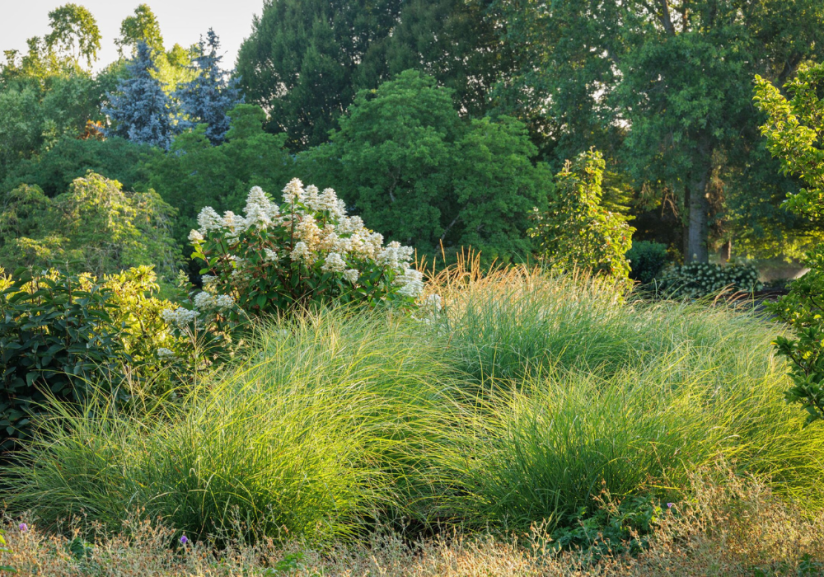
| Companion Plants | Coneflower (Echinacea); Switch Grass (Panicum); Russian Sage (Perovskia); Maiden Grass (Miscanthus); Sedum (Sedum) |
| Care Instructions | Thrives in organically rich loam; adapts to most soil types, provided they are well-drained. Water deeply and regularly during the first growing season to establish an extensive root system. Once established, reduce frequency; tolerates mild drought. Remove old foliage and spent blooms for a neat appearance and to promote continued bloom. |
| History | This variety is a noctournal form developed by Durio and introduced in 1977. These varieties are derived from pale lemon Hemerocallis citrina and H. altissima. H. citrinus contributes the long blooming characteristic and is found in those with the diurnal blooming habit. |
| Lore | Noctournal daylilies such as this open their flowers for an extended period with this famous variety opening for a full twenty hours. |
Details
| Description | A reliable rebloomer with a continuous profusion of day-long blooms on tall, slender stems in early summer and late summer. The large, exquisite flowers have creamy white, recurved, frilly petals and pale lime green throats, and rise above the large clumps of graceful, arching, grass-like, green foliage. Semi-evergreen in mild winter regions. |
|---|---|
| Bloom Time | Early summer, again in late summer to fall. |
| Deciduous/Evergreen | Herbaceous |
| Special Features | Easy Care, Waterwise |
| Problems/Solutions | Coastal Exposure, Erosion Control, Rabbit Resistant, Very Wet Areas, Tolerates Urban Pollution, Road Salt Tolerant |
| Growth Rate | Moderate |
| Growth Habit | Clumping |
| Flower Attributes | Repeat Flowering, Showy Flowers |
Style
| Landscape Use | Border, Container, Poolside, Edging |
|---|---|
| Design Ideas | This carefree perennial fits into almost any garden. Spot into perennial borders as individuals or small clusters. Exceptional spotted into beds and borders for instant beauty and covering bare bases of aging shrubs. Perfect for massing and large scale edging. You can arrange them in a row against foundations as a mini hedge. With its strap-leafed form and flowers on long wand-like stems, Daylily offers dramatic relief between dwarf shrubs. |
| Flower Color | White |
| Foliage Color | Green |
| Companion Plants | Coneflower (Echinacea); Switch Grass (Panicum); Russian Sage (Perovskia); Maiden Grass (Miscanthus); Sedum (Sedum) |
Care
| Care Instructions | Thrives in organically rich loam; adapts to most soil types, provided they are well-drained. Water deeply and regularly during the first growing season to establish an extensive root system. Once established, reduce frequency; tolerates mild drought. Remove old foliage and spent blooms for a neat appearance and to promote continued bloom. |
|---|
History
| History | This variety is a noctournal form developed by Durio and introduced in 1977. These varieties are derived from pale lemon Hemerocallis citrina and H. altissima. H. citrinus contributes the long blooming characteristic and is found in those with the diurnal blooming habit. |
|---|---|
| Lore | Noctournal daylilies such as this open their flowers for an extended period with this famous variety opening for a full twenty hours. |
Frequently asked questions
Does Joan Senior Daylily produce flowers?
Early summer, again in late summer to fall.
Is Joan Senior Daylily evergreen or deciduous?
Joan Senior Daylily is Herbaceous.
What are the special features of Joan Senior Daylily?
Joan Senior Daylily is Easy Care, Waterwise.
Is Joan Senior Daylily resistant to pests or animals?
Coastal Exposure, Erosion Control, Rabbit Resistant, Very Wet Areas, Tolerates Urban Pollution, Road Salt Tolerant
How fast does Joan Senior Daylily grow?
Joan Senior Daylily has a Moderate growth rate.
What is the growth habit of Joan Senior Daylily?
Joan Senior Daylily grows in an Clumping habit.
Where can I use Joan Senior Daylily in my landscape?
Joan Senior Daylily is suitable for: Border, Container, Poolside, Edging.
How can I use Joan Senior Daylily in my garden design?
This carefree perennial fits into almost any garden. Spot into perennial borders as individuals or small clusters. Exceptional spotted into beds and borders for instant beauty and covering bare bases of aging shrubs. Perfect for massing and large scale edging. You can arrange them in a row against foundations as a mini hedge. With its strap-leafed form and flowers on long wand-like stems, Daylily offers dramatic relief between dwarf shrubs.
What color are Joan Senior Daylily flowers?
Joan Senior Daylily produces White flowers.
What color is the foliage of Joan Senior Daylily?
Joan Senior Daylily has Green foliage.
What plants grow well with Joan Senior Daylily?
Good companion plants for Joan Senior Daylily include: Coneflower (Echinacea); Switch Grass (Panicum); Russian Sage (Perovskia); Maiden Grass (Miscanthus); Sedum (Sedum).
How do I care for Joan Senior Daylily?
Thrives in organically rich loam; adapts to most soil types, provided they are well-drained. Water deeply and regularly during the first growing season to establish an extensive root system. Once established, reduce frequency; tolerates mild drought. Remove old foliage and spent blooms for a neat appearance and to promote continued bloom.
What is the history of Joan Senior Daylily?
This variety is a noctournal form developed by Durio and introduced in 1977. These varieties are derived from pale lemon Hemerocallis citrina and H. altissima. H. citrinus contributes the long blooming characteristic and is found in those with the diurnal blooming habit.
Retailers Near You
About Us
We have been pioneers and craftsmen in the art of growing plants for 100 years. Since our founding in Southern California by Harry E. Rosedale, Sr. in 1926, we have been absolutely dedicated and obsessed with quality.
We have been pioneers and craftsmen in the art of growing plants for nearly 100 years. Since our founding in Southern California by Harry E. Rosedale, Sr. in 1926, we have been absolutely dedicated and obsessed with quality.