
You're growing in this Zip Code:
Discover Plants for Your Area

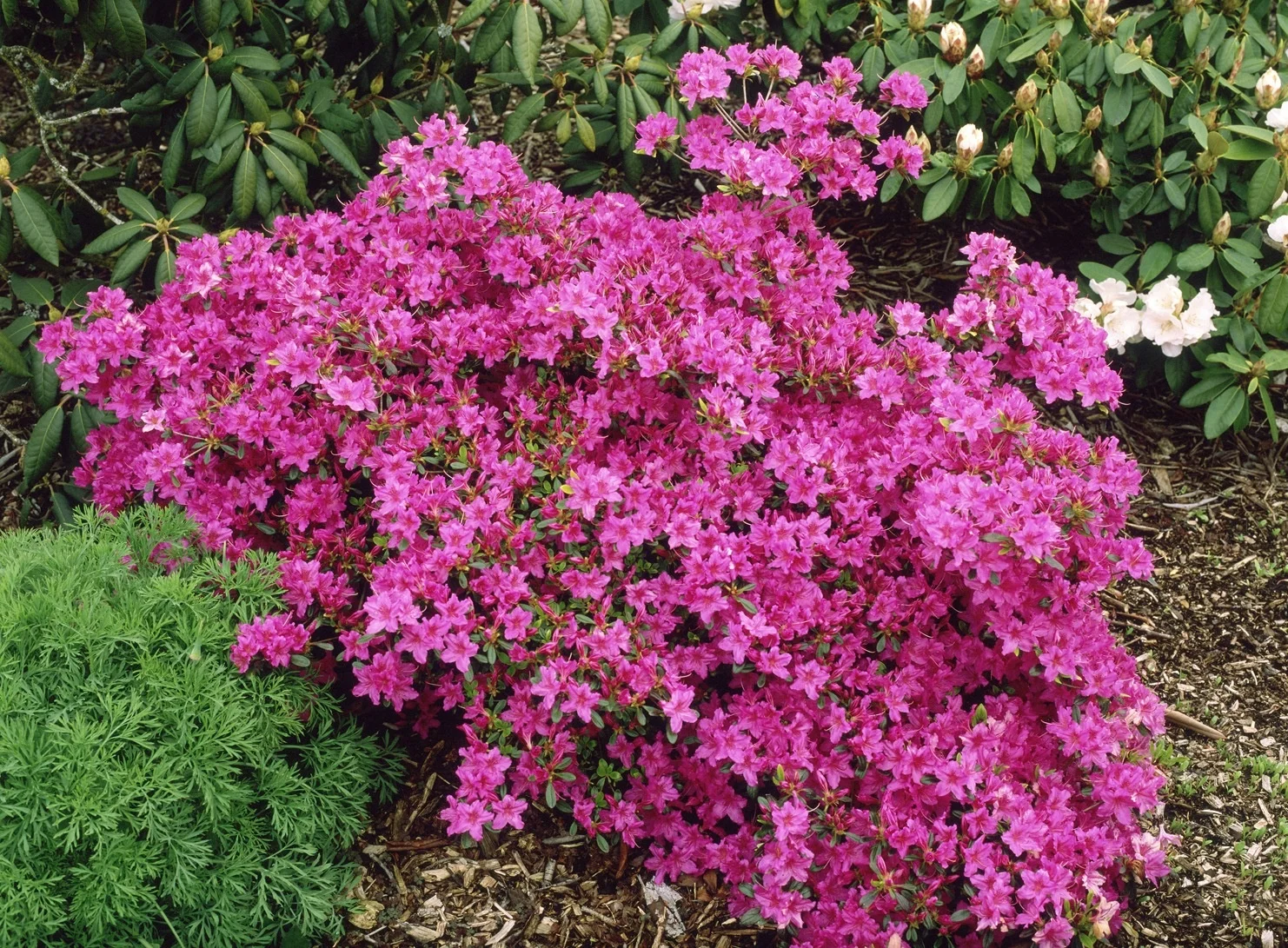
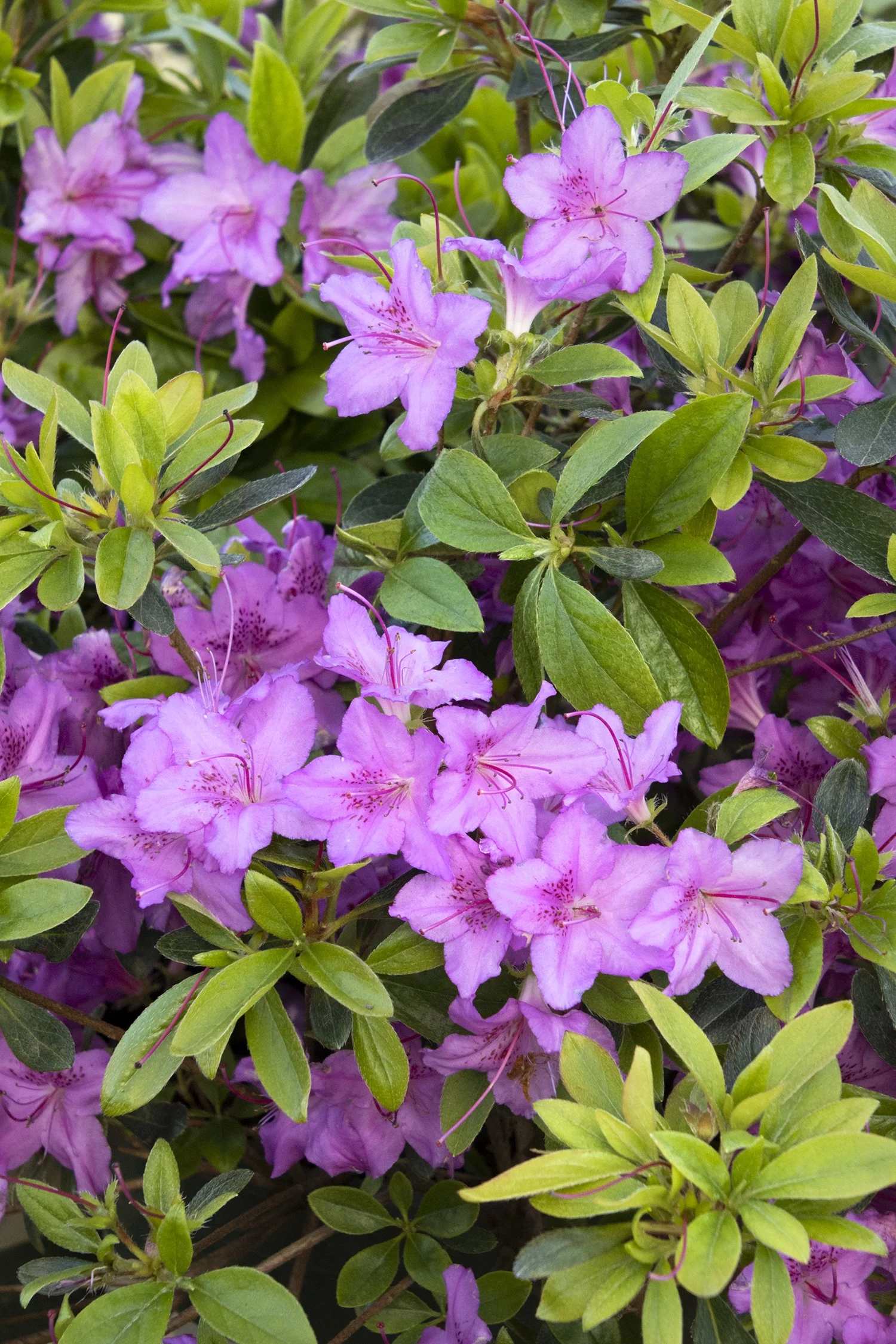
Karen Azalea
Azalea x 'Karen' (Gable Hybrid)
Pronunciation: uh-ZAY-lee-uh
SKU #00181
LIGHT:
Filtered sun, Partial sun
WATER:
Keep soil moist, but not soggy.
SIZE:
Moderate growing; reaches 2 to 4 ft. tall, 3 to 5 ft. wide.

Home Delivery Price
?
- Arrives in 3 to 7 days
- Free shipping on orders over $149
- Perfect Start Promise
Select Quantity
Retailers Near You
This Plant's Growing Zones: 4-9
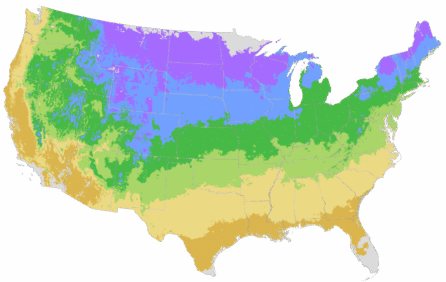
Your USDA Cold Hardiness Zone:
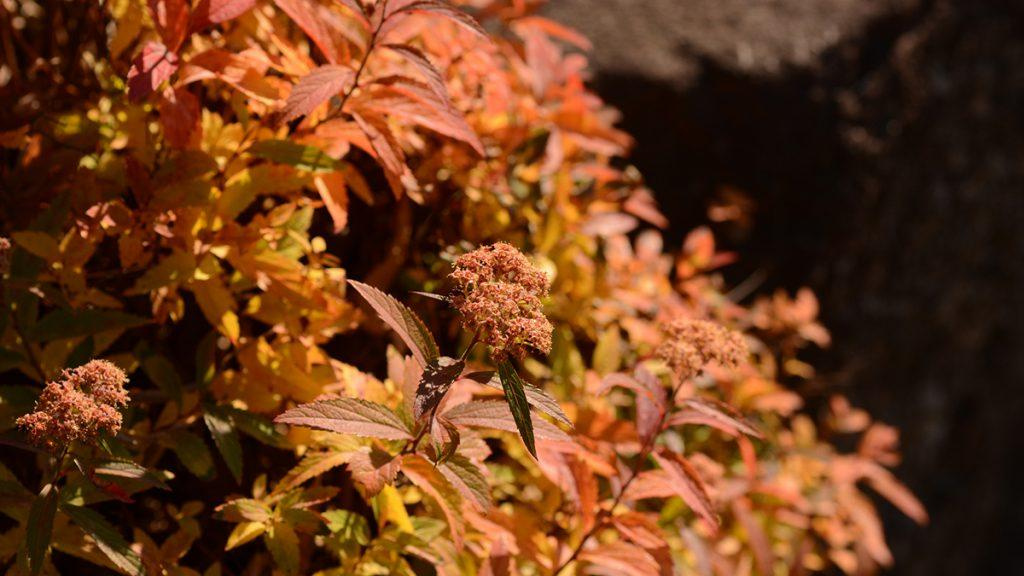
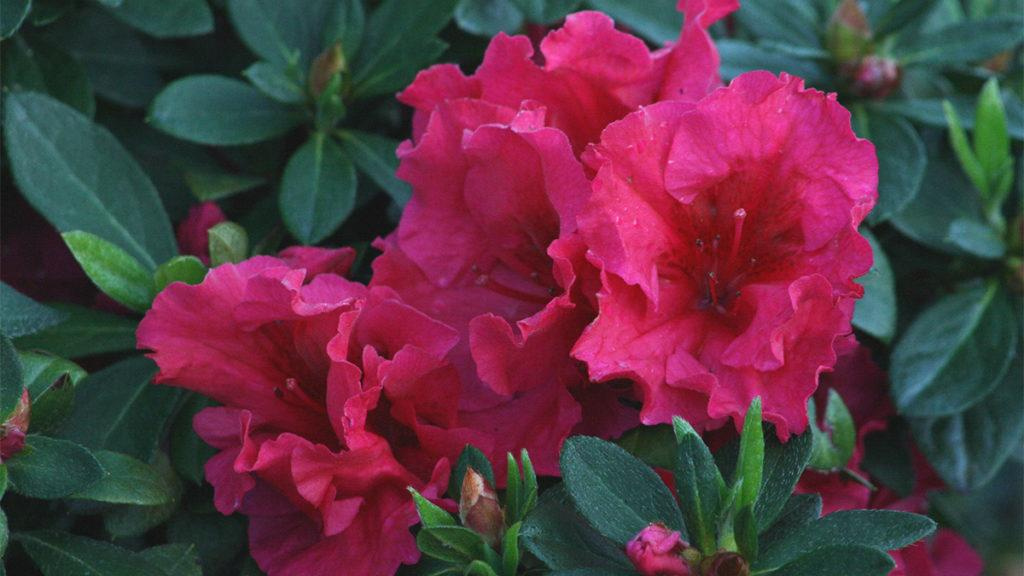
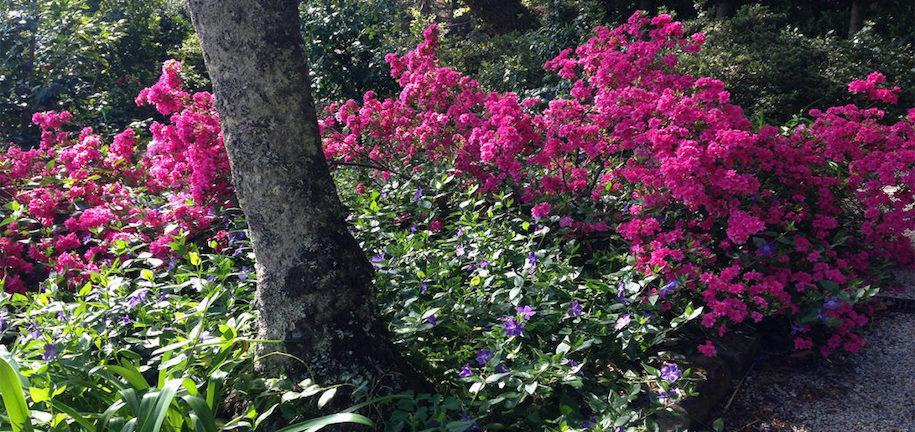
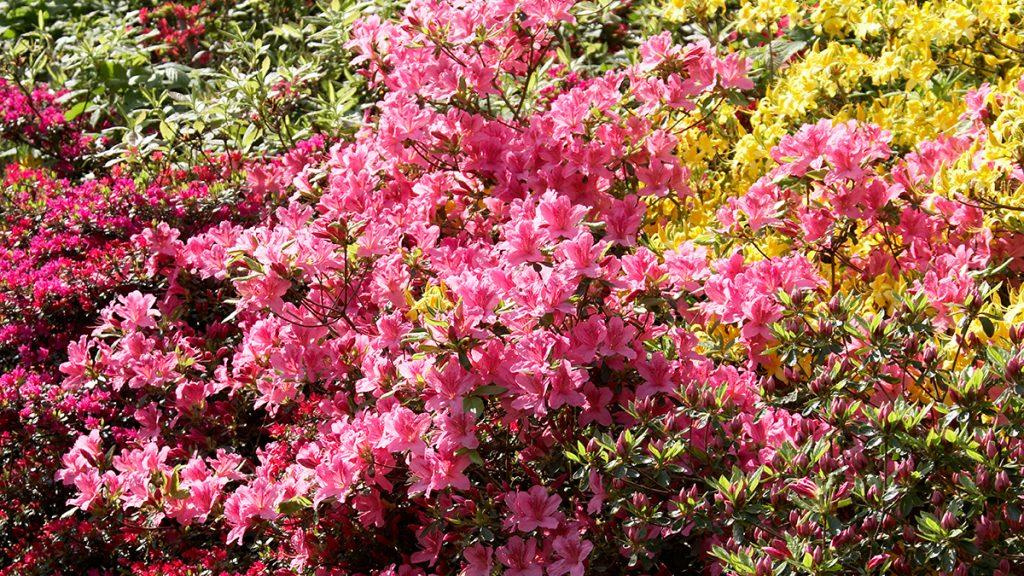
| Description | An unusually hardy and highly reliable evergreen shrub with rich lavender-purple hose-in-hose flowers on a vigorous, upright plant. Foliage turns a brilliant burgundy in the fall. Showiest when planted in groups. An ideal spring blooming foundation shrub for beds and borders. |
|---|---|
| Bloom Time | Spring |
| Deciduous/Evergreen | Evergreen |
| Special Features | Attracts Hummingbirds, Easy Care, Fall Color, Attracts Pollinators |
| Growth Rate | Moderate |
| Growth Habit | Irregular |
| Flower Attributes | Showy Flowers |
| Landscape Use | Border, Container |
| Design Ideas | Karen is without a doubt among the most coveted azaleas for front foundation bed planting. It's cherished for position near the front door to call attention in the spring with its exquisite mass of color. Outstanding shrub for all beds and borders and will integrate with nearly every plant sharing the same requirements. Azaleas naturally thrive in the acidic soils beneath natural woodlands or ornamental groves of evergreen and hardwood trees. This is an essential of the Japanese tea garden as a symbol of spring, and is found in gardens throughout Asia. |
| Flower Color | Purplish-pink |
| Foliage Color | Green |
| Foliage Fall Color | Burgundy |
| Companion Plants | Japanese Maple (Acer); Hydrangea (Hydrangea); Astilbe (Astilbe); Camellia (Camellia); Mountain Laurel (Kalmia); Clethra (Clethra) |
| Care Instructions | Thrives in humus-rich, acidic, moist, well-drained soils. Water deeply and regularly during the first growing season to establish an extensive root system; once established, water as needed to maintain evenly moist soil. Feed with an acid fertilizer after bloom. Keep roots cool with a thick layer of mulch. |
| History | Karen is a hybrid developed from the species, R. kaempheri, native to volcanic slopes of northern Japan. The species was introduced to the United States via Arnold Arboretum in the 1890s and various American breeders took up breeding domestic cultivars. This is among the Gable Hybrids, produced by Joe Gable who crossed R. kaempheri with R. poukhanense, then added evergreen R. maxwellii as well as a number of early hybrids into his breeding program. Gable introduced dozens of excellent varieties over a period of fifty years from 1920 to 1980, all developed at his nursery in Stewartstown, Pennsylvania. |
Details
| Description | An unusually hardy and highly reliable evergreen shrub with rich lavender-purple hose-in-hose flowers on a vigorous, upright plant. Foliage turns a brilliant burgundy in the fall. Showiest when planted in groups. An ideal spring blooming foundation shrub for beds and borders. |
|---|---|
| Bloom Time | Spring |
| Deciduous/Evergreen | Evergreen |
| Special Features | Attracts Hummingbirds, Easy Care, Fall Color, Attracts Pollinators |
| Growth Rate | Moderate |
| Growth Habit | Irregular |
| Flower Attributes | Showy Flowers |
Style
| Landscape Use | Border, Container |
|---|---|
| Design Ideas | Karen is without a doubt among the most coveted azaleas for front foundation bed planting. It's cherished for position near the front door to call attention in the spring with its exquisite mass of color. Outstanding shrub for all beds and borders and will integrate with nearly every plant sharing the same requirements. Azaleas naturally thrive in the acidic soils beneath natural woodlands or ornamental groves of evergreen and hardwood trees. This is an essential of the Japanese tea garden as a symbol of spring, and is found in gardens throughout Asia. |
| Flower Color | Purplish-pink |
| Foliage Color | Green |
| Foliage Fall Color | Burgundy |
| Companion Plants | Japanese Maple (Acer); Hydrangea (Hydrangea); Astilbe (Astilbe); Camellia (Camellia); Mountain Laurel (Kalmia); Clethra (Clethra) |
Care
| Care Instructions | Thrives in humus-rich, acidic, moist, well-drained soils. Water deeply and regularly during the first growing season to establish an extensive root system; once established, water as needed to maintain evenly moist soil. Feed with an acid fertilizer after bloom. Keep roots cool with a thick layer of mulch. |
|---|
History
| History | Karen is a hybrid developed from the species, R. kaempheri, native to volcanic slopes of northern Japan. The species was introduced to the United States via Arnold Arboretum in the 1890s and various American breeders took up breeding domestic cultivars. This is among the Gable Hybrids, produced by Joe Gable who crossed R. kaempheri with R. poukhanense, then added evergreen R. maxwellii as well as a number of early hybrids into his breeding program. Gable introduced dozens of excellent varieties over a period of fifty years from 1920 to 1980, all developed at his nursery in Stewartstown, Pennsylvania. |
|---|
Retailers Near You
About Us
We have been pioneers and craftsmen in the art of growing plants for 100 years. Since our founding in Southern California by Harry E. Rosedale, Sr. in 1926, we have been absolutely dedicated and obsessed with quality.
We have been pioneers and craftsmen in the art of growing plants for nearly 100 years. Since our founding in Southern California by Harry E. Rosedale, Sr. in 1926, we have been absolutely dedicated and obsessed with quality.