
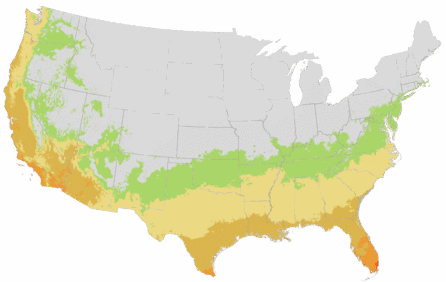
You're growing in this Zip Code:
Change LocationDiscover Plants for Your Area
Kleim's Hardy Gardenia
Gardenia jasminoides 'Kleim's Hardy'
Pronunciation: gar-DEEN-ee-uh jas-min-NOY-deez
SKU #03756
LIGHT:
Full sun, Partial sun
WATER:
Keep soil moist, but never soggy.
SIZE:
Slow growing, low mounded form reaches 2 to 3 ft. tall and wide.

Retailers Near You
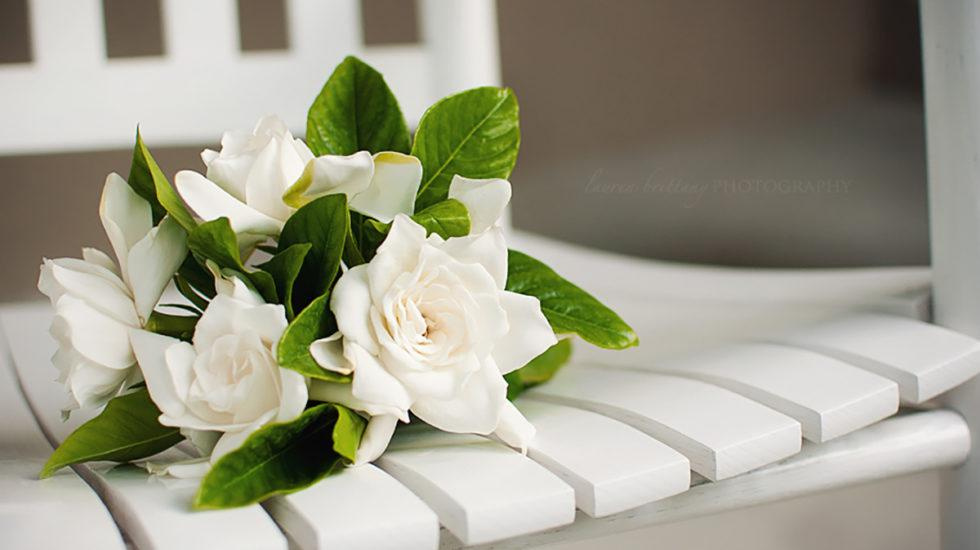

| Description | This hardiest of gardenias has a versatile, dwarf habit that works great in containers, raised beds and in the foreground of borders. The showy, white, star-like, five-petal flowers have a lovely fragrance that can be best enjoyed when planted near entryways and patios. Evergreen. |
|---|---|
| Bloom Time | Late spring into summer |
| Deciduous/Evergreen | Evergreen |
| Special Features | Easy Care, Attracts Pollinators, Compact Form |
| Problems/Solutions | Deer Resistant |
| Growth Rate | Slow |
| Growth Habit | Mounding |
| Flower Attributes | Flowers for Cutting, Fragrant, Showy Flowers |
| Landscape Use | Border, Container, Hedge |
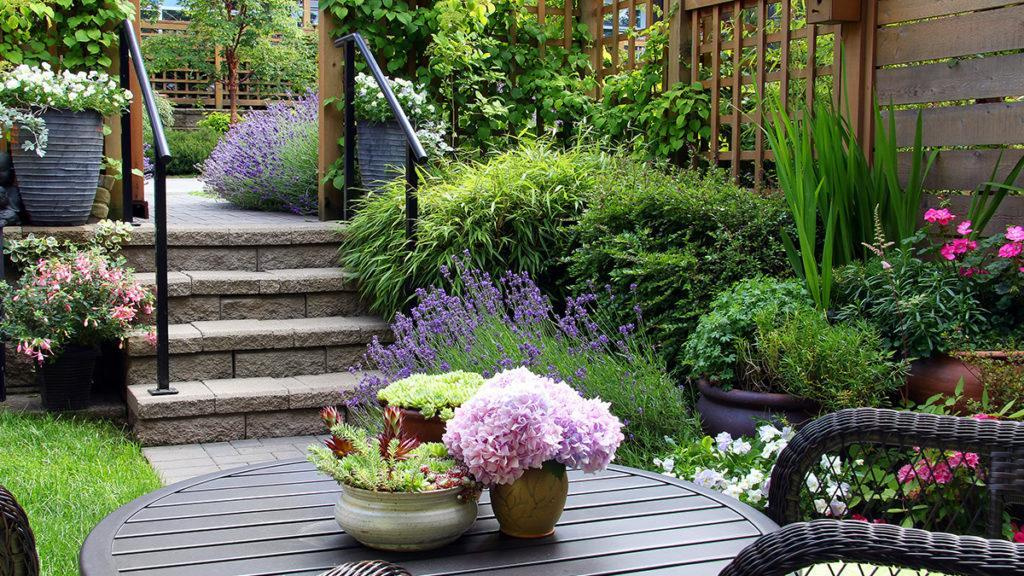
| Design Ideas | One of the few Gardenia that takes full sun, but best to plant with a little protection from reflected heat of hardscape. Use as foundation planting or an accent shrub and place it close to outdoor living spaces to appreciate its heavenly fragrance. Ideal for sunny courtyards and townhouse gardens. |
| Flower Color | White |
| Foliage Color | Green |
| Companion Plants | Hydrangea (Hydrangea); Agapanthus (Agapanthus); Fuchsia (Fuchsia); Azalea (Azalea); Camellia (Camellia); Coral Bells (Heuchera) |
| Care Instructions | Thrives in organically rich, slightly acidic, well-drained soils. Handle with care when transplanting; gardenia roots are best undisturbed. Water deeply and regularly during the first growing season to establish an extensive root system. Feed with an acid fertilizer after bloom. Keep roots cool with a thick layer of mulch. |
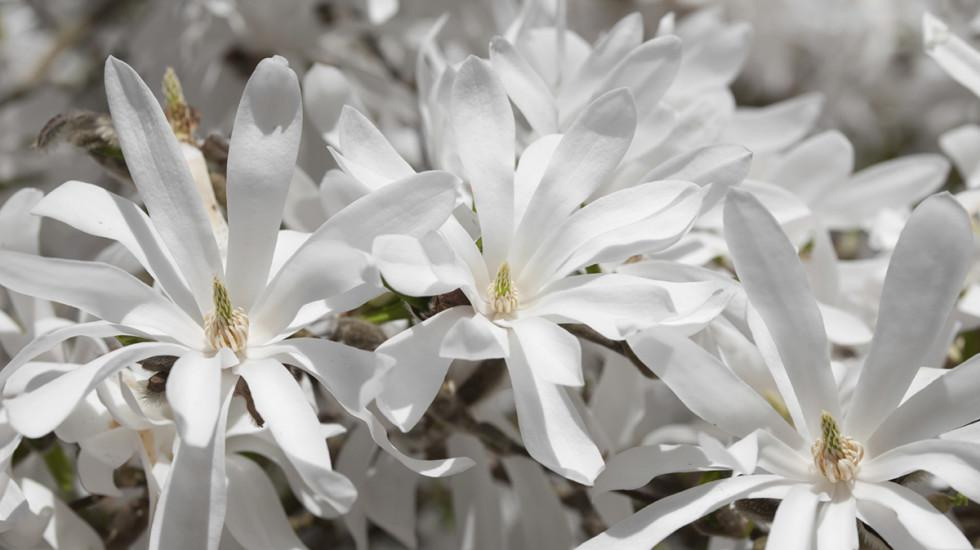
| History | Interest in pushing gardenia to the frost line led to the recent development of this cultivar by Don Kleim. He is known for his vast collection of magnolia at Henderson Experimental Gardens of Clovis, California. The genus was classified by John Ellis around 1760, and is composed of a bout 250 species scattered abround Asia and Africa. He named the genus after Alexander Garden, a Charleston, South Carolina physician of the 18th century. G. jasminoides was first collected in 18th century China where plants had been under cultivation for so long there existed a thriving nursery trade by the time westerners began collecting from the interior. |
| Lore | Intense fragrance has kept gardenia in the perfume trade and it is still among the most popular flowers for corsages. It's an old practice to cut gardenia flowers without stem and float them on water in shallow ceramic bowls set on the coffee table to release their fragrance. |
Details
| Description | This hardiest of gardenias has a versatile, dwarf habit that works great in containers, raised beds and in the foreground of borders. The showy, white, star-like, five-petal flowers have a lovely fragrance that can be best enjoyed when planted near entryways and patios. Evergreen. |
|---|---|
| Bloom Time | Late spring into summer |
| Deciduous/Evergreen | Evergreen |
| Special Features | Easy Care, Attracts Pollinators, Compact Form |
| Problems/Solutions | Deer Resistant |
| Growth Rate | Slow |
| Growth Habit | Mounding |
| Flower Attributes | Flowers for Cutting, Fragrant, Showy Flowers |
Style
| Landscape Use | Border, Container, Hedge |
|---|---|
| Design Ideas | One of the few Gardenia that takes full sun, but best to plant with a little protection from reflected heat of hardscape. Use as foundation planting or an accent shrub and place it close to outdoor living spaces to appreciate its heavenly fragrance. Ideal for sunny courtyards and townhouse gardens. |
| Flower Color | White |
| Foliage Color | Green |
| Companion Plants | Hydrangea (Hydrangea); Agapanthus (Agapanthus); Fuchsia (Fuchsia); Azalea (Azalea); Camellia (Camellia); Coral Bells (Heuchera) |
Care
| Care Instructions | Thrives in organically rich, slightly acidic, well-drained soils. Handle with care when transplanting; gardenia roots are best undisturbed. Water deeply and regularly during the first growing season to establish an extensive root system. Feed with an acid fertilizer after bloom. Keep roots cool with a thick layer of mulch. |
|---|
History
| History | Interest in pushing gardenia to the frost line led to the recent development of this cultivar by Don Kleim. He is known for his vast collection of magnolia at Henderson Experimental Gardens of Clovis, California. The genus was classified by John Ellis around 1760, and is composed of a bout 250 species scattered abround Asia and Africa. He named the genus after Alexander Garden, a Charleston, South Carolina physician of the 18th century. G. jasminoides was first collected in 18th century China where plants had been under cultivation for so long there existed a thriving nursery trade by the time westerners began collecting from the interior. |
|---|---|
| Lore | Intense fragrance has kept gardenia in the perfume trade and it is still among the most popular flowers for corsages. It's an old practice to cut gardenia flowers without stem and float them on water in shallow ceramic bowls set on the coffee table to release their fragrance. |
Retailers Near You
About Us
We have been pioneers and craftsmen in the art of growing plants for 100 years. Since our founding in Southern California by Harry E. Rosedale, Sr. in 1926, we have been absolutely dedicated and obsessed with quality.
We have been pioneers and craftsmen in the art of growing plants for nearly 100 years. Since our founding in Southern California by Harry E. Rosedale, Sr. in 1926, we have been absolutely dedicated and obsessed with quality.