
You're growing in this Zip Code:
Change LocationDiscover Plants for Your Area
Red Lark Delphinium
Delphinium x 'Red Lark' PP #29,761
SKU #46746
LIGHT:
Full sun
WATER:
Keep soil consistently moist but not soggy.
SIZE:
Reaches 24 to 28 in. tall, 16 to 18 in. wide.

Retailers Near You
Ready to Grow?
Ship Monrovia plants directly to your door. Browse a curated selection available online.
Shop Now >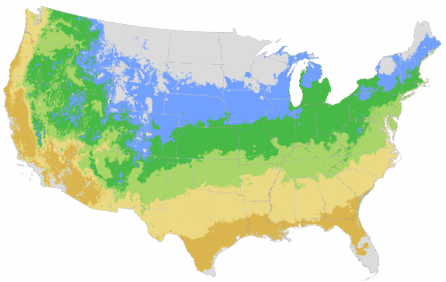

| Description | An exciting new color for Delphiniums, with dense spikes of strong coral red blooms. The sterile flowers provide an abundance of flower power and plants that will not reseed in the garden. A durable selection with stronger stems, larger flowers, and better disease resistance. Perennial. |
|---|---|
| Bloom Time | Summer |
| Deciduous/Evergreen | Herbaceous |
| Special Features | Attracts Hummingbirds, Attracts Pollinators |
| Problems/Solutions | Deer Resistant, Rabbit Resistant |
| Growth Rate | Moderate |
| Flower Attributes | Flowers for Cutting, Showy Flowers |
| Patent Act | Asexual reproduction of plants protected by the Plant Patent Act is prohibited during the life of the patent. |
| Landscape Use | Border |
| Flower Color | Red |
| Foliage Color | Green |
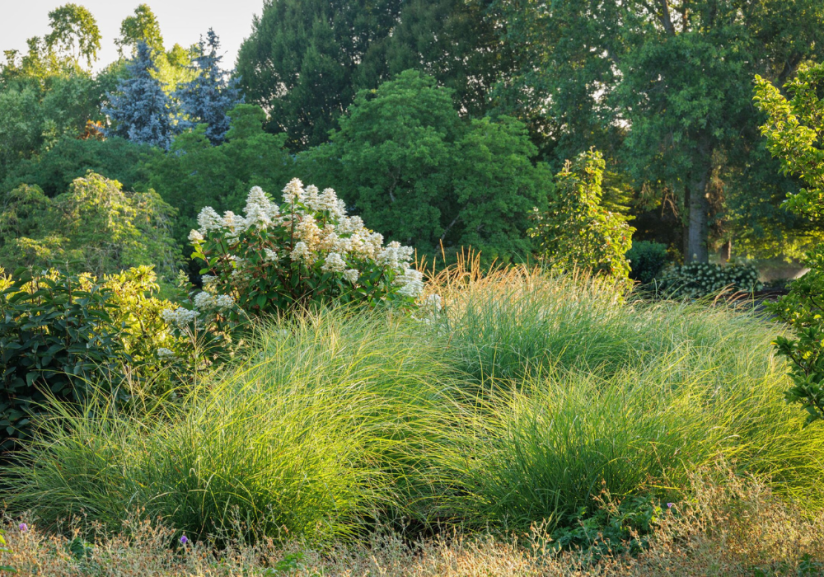
| Companion Plants | Switch Grass (Panicum); Black-Eyed Susan (Rudbeckia); Coneflower (Echinacea); Phlox (Phlox); Shasta Daisy (Chrysanthemum) |
| Care Instructions | Prefers evenly moist, loamy, humus-rich soils. Best in full sun, with the base of plant sheltered from harsh sunlight. Water regularly during the growing season. Feed with an all-purpose fertilizer in spring; repeat after first bloom flush. Prune spent blooms to prolong flowering. Cut back to the ground at the end of the season. |
Details
| Description | An exciting new color for Delphiniums, with dense spikes of strong coral red blooms. The sterile flowers provide an abundance of flower power and plants that will not reseed in the garden. A durable selection with stronger stems, larger flowers, and better disease resistance. Perennial. |
|---|---|
| Bloom Time | Summer |
| Deciduous/Evergreen | Herbaceous |
| Special Features | Attracts Hummingbirds, Attracts Pollinators |
| Problems/Solutions | Deer Resistant, Rabbit Resistant |
| Growth Rate | Moderate |
| Flower Attributes | Flowers for Cutting, Showy Flowers |
| Patent Act | Asexual reproduction of plants protected by the Plant Patent Act is prohibited during the life of the patent. |
Style
| Landscape Use | Border |
|---|---|
| Flower Color | Red |
| Foliage Color | Green |
| Companion Plants | Switch Grass (Panicum); Black-Eyed Susan (Rudbeckia); Coneflower (Echinacea); Phlox (Phlox); Shasta Daisy (Chrysanthemum) |
Care
| Care Instructions | Prefers evenly moist, loamy, humus-rich soils. Best in full sun, with the base of plant sheltered from harsh sunlight. Water regularly during the growing season. Feed with an all-purpose fertilizer in spring; repeat after first bloom flush. Prune spent blooms to prolong flowering. Cut back to the ground at the end of the season. |
|---|
Frequently asked questions
Does Red Lark Delphinium produce flowers?
Summer
Is Red Lark Delphinium evergreen or deciduous?
Red Lark Delphinium is Herbaceous.
What are the special features of Red Lark Delphinium?
Red Lark Delphinium is Attracts Hummingbirds, Attracts Pollinators.
Is Red Lark Delphinium resistant to pests or animals?
Deer Resistant, Rabbit Resistant
How fast does Red Lark Delphinium grow?
Red Lark Delphinium has a Moderate growth rate.
Where can I use Red Lark Delphinium in my landscape?
Red Lark Delphinium is suitable for: Border.
What color are Red Lark Delphinium flowers?
Red Lark Delphinium produces Red flowers.
What color is the foliage of Red Lark Delphinium?
Red Lark Delphinium has Green foliage.
What plants grow well with Red Lark Delphinium?
Good companion plants for Red Lark Delphinium include: Switch Grass (Panicum); Black-Eyed Susan (Rudbeckia); Coneflower (Echinacea); Phlox (Phlox); Shasta Daisy (Chrysanthemum).
How do I care for Red Lark Delphinium?
Prefers evenly moist, loamy, humus-rich soils. Best in full sun, with the base of plant sheltered from harsh sunlight. Water regularly during the growing season. Feed with an all-purpose fertilizer in spring; repeat after first bloom flush. Prune spent blooms to prolong flowering. Cut back to the ground at the end of the season.
Retailers Near You
About Us
We have been pioneers and craftsmen in the art of growing plants for 100 years. Since our founding in Southern California by Harry E. Rosedale, Sr. in 1926, we have been absolutely dedicated and obsessed with quality.
We have been pioneers and craftsmen in the art of growing plants for nearly 100 years. Since our founding in Southern California by Harry E. Rosedale, Sr. in 1926, we have been absolutely dedicated and obsessed with quality.