
You're growing in this Zip Code:
Discover Plants for Your Area


Lavender Cotton
Santolina chamaecyparissus
Pronunciation: san-tow-LEEN-ah kam-e-sip-ar-IS-us
SKU #07040
LIGHT:
Full sun
WATER:
Allow soil to dry between waterings.
SIZE:
Moderate growing; reaches 1½ ft. tall, 3 ft. wide.

Retailers Near You
Ready to Grow?
Ship Monrovia plants directly to your door. Browse a curated selection available online.
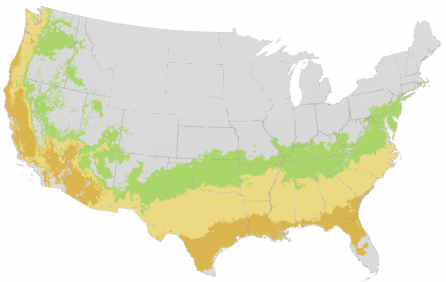
Shop Now >This Plant's Growing Zones: 7-9
Your USDA Cold Hardiness Zone:

| Description | A dense, mounding, woody shrub with attractive, aromatic, finely textured, silver-gray foliage. Produces small, bright yellow flowers in the summer. Creates a very attractive groundcover or edging for walks and borders. Works well in the foreground of an herb garden. Drought tolerant when established. Evergreen. |
|---|---|
| Bloom Time | Summer |
| Deciduous/Evergreen | Evergreen |
| Special Features | Dramatic Foliage Color, Waterwise |
| Problems/Solutions | Coastal Exposure, Deer Resistant, Rabbit Resistant, Drought Tolerant |
| Growth Rate | Moderate |
| Flower Attributes | Showy Flowers |
| Landscape Use | Border, Ground Cover, Edging |
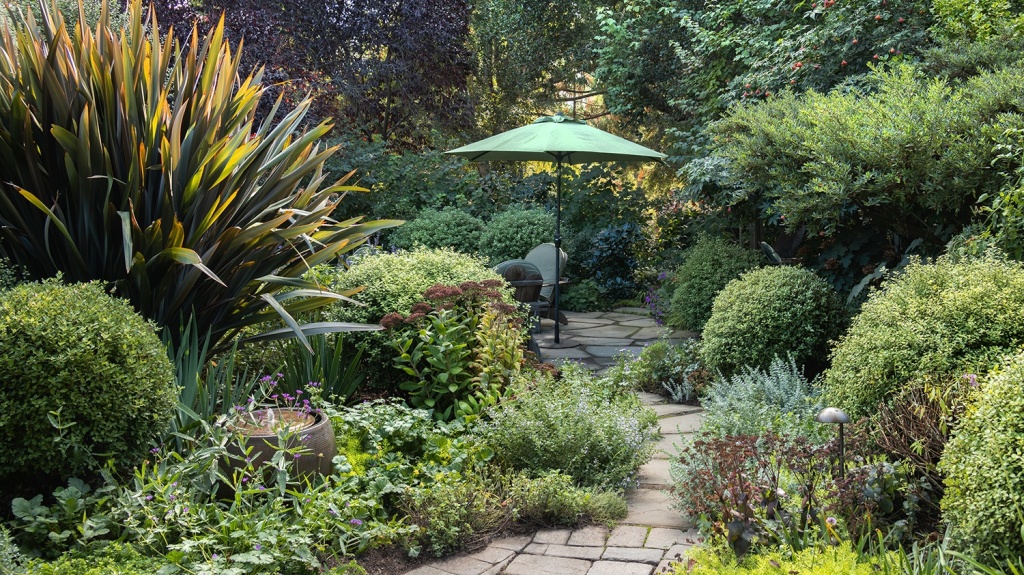
| Design Ideas | This makes a lovely edging for the herb garden or English-style border. Combine with the all green species into a checkerboard groundcover. A valuable source of solid gray foliage in Mediterranean style planting. It can be sheared for a more formal look, which will also keep the growth more dense. |
| Flower Color | Yellow |
| Foliage Color | Gray-green |
| Companion Plants | Thrift (Armeria); Dianthus (Dianthus); Catmint (Nepeta); Carpet Bugle (Ajuga); Creeping Phlox (Phlox) |
| Care Instructions | Thrives in average, loose, soils with excellent drainage; avoid overly wet and heavily enriched soils. Water deeply, regularly during first growing season to establish an extensive root system. Once established, reduce frequency; tolerates moderate drought. Remove spent flowers for a tidy appearance. Prune to shape in late winter. |
| History | This drought resistant species is a native of the Mediterranean where aromatic foliage protects it from browsing wildlife. It came into cultivation early on as a natural pesticidal herb but later became popular in Tudor knot garden pattern making. Its name translates to holy flax, even though this relates to no aspect of its use. |
| Lore | In France this plant was known as garde robe, because sprigs were used in closets and trunks to repel moths. |
Details
| Description | A dense, mounding, woody shrub with attractive, aromatic, finely textured, silver-gray foliage. Produces small, bright yellow flowers in the summer. Creates a very attractive groundcover or edging for walks and borders. Works well in the foreground of an herb garden. Drought tolerant when established. Evergreen. |
|---|---|
| Bloom Time | Summer |
| Deciduous/Evergreen | Evergreen |
| Special Features | Dramatic Foliage Color, Waterwise |
| Problems/Solutions | Coastal Exposure, Deer Resistant, Rabbit Resistant, Drought Tolerant |
| Growth Rate | Moderate |
| Flower Attributes | Showy Flowers |
Style
| Landscape Use | Border, Ground Cover, Edging |
|---|---|
| Design Ideas | This makes a lovely edging for the herb garden or English-style border. Combine with the all green species into a checkerboard groundcover. A valuable source of solid gray foliage in Mediterranean style planting. It can be sheared for a more formal look, which will also keep the growth more dense. |
| Flower Color | Yellow |
| Foliage Color | Gray-green |
| Companion Plants | Thrift (Armeria); Dianthus (Dianthus); Catmint (Nepeta); Carpet Bugle (Ajuga); Creeping Phlox (Phlox) |
Care
| Care Instructions | Thrives in average, loose, soils with excellent drainage; avoid overly wet and heavily enriched soils. Water deeply, regularly during first growing season to establish an extensive root system. Once established, reduce frequency; tolerates moderate drought. Remove spent flowers for a tidy appearance. Prune to shape in late winter. |
|---|
History
| History | This drought resistant species is a native of the Mediterranean where aromatic foliage protects it from browsing wildlife. It came into cultivation early on as a natural pesticidal herb but later became popular in Tudor knot garden pattern making. Its name translates to holy flax, even though this relates to no aspect of its use. |
|---|---|
| Lore | In France this plant was known as garde robe, because sprigs were used in closets and trunks to repel moths. |
Retailers Near You
About Us
We have been pioneers and craftsmen in the art of growing plants for 100 years. Since our founding in Southern California by Harry E. Rosedale, Sr. in 1926, we have been absolutely dedicated and obsessed with quality.
We have been pioneers and craftsmen in the art of growing plants for nearly 100 years. Since our founding in Southern California by Harry E. Rosedale, Sr. in 1926, we have been absolutely dedicated and obsessed with quality.