
You're growing in this Zip Code:
Change LocationDiscover Plants for Your Area
Little Goldstar Black-Eyed Susan
Rudbeckia hybrid 'Little Goldstar' PP #22,397
Pronunciation: rud-BEK-ee-uh
SKU #01863
LIGHT:
Full sun
WATER:
Water when top 2 inches of soil is dry.
SIZE:
Quickly reaches 14 to 24. in. tall, 18. in. wide.

Retailers Near You
Ready to Grow?
Ship Monrovia plants directly to your door. Browse a curated selection available online.
Shop Now >

| Description | This robust performer is a must-have in the landscape! Offers waves of bright, daisy-like, golden yellow flowers on a compact plant with dark green foliage. Carefree color for a sunny border, rock garden or container. Heat and humidity tolerant. An herbaceous perennial. |
|---|---|
| Bloom Time | Midsummer to early fall |
| Deciduous/Evergreen | Herbaceous |
| Special Features | Easy Care, Waterwise, Attracts Pollinators, Fast Growing, Compact Form |
| Growth Rate | Fast |
| Flower Attributes | Flowers for Cutting, Long Bloom Season, Showy Flowers |
| Patent Act | Asexual reproduction of plants protected by the Plant Patent Act is prohibited during the life of the patent. |
| Landscape Use | Border, Container |
| Flower Color | Yellow |
| Foliage Color | Dark Green |
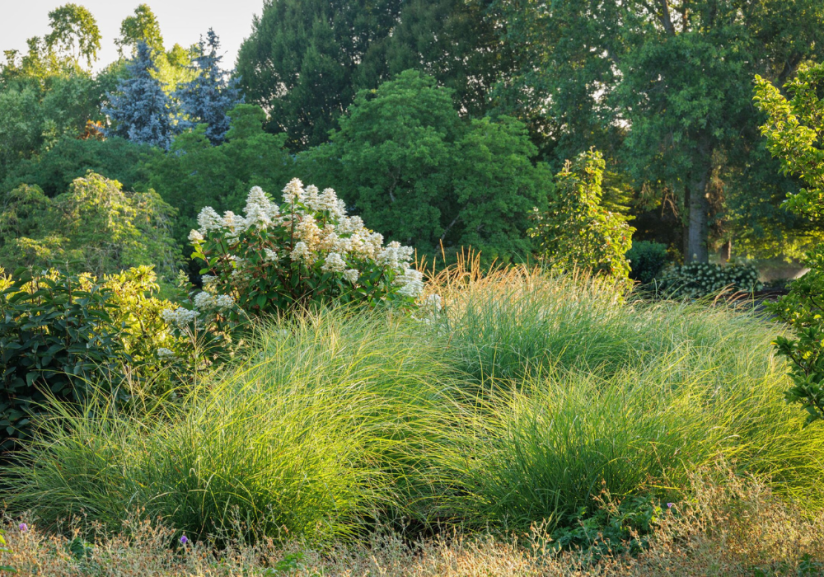
| Companion Plants | Coneflower (Echinacea); Avens (Geum); Switch Grass (Panicum); Russian Sage (Perovskia); Sedum (Sedum) |
| Care Instructions | Thrives in average, well-drained soil. Water deeply, regularly during the first growing season to establish an extensive root system. Once established, tolerates mild drought, but prefers regular water. Remove spent flowers to promote continued bloom. Hard prune at the end of the season. Divide clumps every 2 to 3 years in early spring. |
Details
| Description | This robust performer is a must-have in the landscape! Offers waves of bright, daisy-like, golden yellow flowers on a compact plant with dark green foliage. Carefree color for a sunny border, rock garden or container. Heat and humidity tolerant. An herbaceous perennial. |
|---|---|
| Bloom Time | Midsummer to early fall |
| Deciduous/Evergreen | Herbaceous |
| Special Features | Easy Care, Waterwise, Attracts Pollinators, Fast Growing, Compact Form |
| Growth Rate | Fast |
| Flower Attributes | Flowers for Cutting, Long Bloom Season, Showy Flowers |
| Patent Act | Asexual reproduction of plants protected by the Plant Patent Act is prohibited during the life of the patent. |
Style
| Landscape Use | Border, Container |
|---|---|
| Flower Color | Yellow |
| Foliage Color | Dark Green |
| Companion Plants | Coneflower (Echinacea); Avens (Geum); Switch Grass (Panicum); Russian Sage (Perovskia); Sedum (Sedum) |
Care
| Care Instructions | Thrives in average, well-drained soil. Water deeply, regularly during the first growing season to establish an extensive root system. Once established, tolerates mild drought, but prefers regular water. Remove spent flowers to promote continued bloom. Hard prune at the end of the season. Divide clumps every 2 to 3 years in early spring. |
|---|
Frequently asked questions
Does Little Goldstar Black-Eyed Susan produce flowers?
Midsummer to early fall
Is Little Goldstar Black-Eyed Susan evergreen or deciduous?
Little Goldstar Black-Eyed Susan is Herbaceous.
What are the special features of Little Goldstar Black-Eyed Susan?
Little Goldstar Black-Eyed Susan is Easy Care, Waterwise, Attracts Pollinators, Fast Growing, Compact Form.
How fast does Little Goldstar Black-Eyed Susan grow?
Little Goldstar Black-Eyed Susan has a Fast growth rate.
Where can I use Little Goldstar Black-Eyed Susan in my landscape?
Little Goldstar Black-Eyed Susan is suitable for: Border, Container.
What color are Little Goldstar Black-Eyed Susan flowers?
Little Goldstar Black-Eyed Susan produces Yellow flowers.
What color is the foliage of Little Goldstar Black-Eyed Susan?
Little Goldstar Black-Eyed Susan has Dark Green foliage.
What plants grow well with Little Goldstar Black-Eyed Susan?
Good companion plants for Little Goldstar Black-Eyed Susan include: Coneflower (Echinacea); Avens (Geum); Switch Grass (Panicum); Russian Sage (Perovskia); Sedum (Sedum).
How do I care for Little Goldstar Black-Eyed Susan?
Thrives in average, well-drained soil. Water deeply, regularly during the first growing season to establish an extensive root system. Once established, tolerates mild drought, but prefers regular water. Remove spent flowers to promote continued bloom. Hard prune at the end of the season. Divide clumps every 2 to 3 years in early spring.
Retailers Near You
About Us
We have been pioneers and craftsmen in the art of growing plants for 100 years. Since our founding in Southern California by Harry E. Rosedale, Sr. in 1926, we have been absolutely dedicated and obsessed with quality.
We have been pioneers and craftsmen in the art of growing plants for nearly 100 years. Since our founding in Southern California by Harry E. Rosedale, Sr. in 1926, we have been absolutely dedicated and obsessed with quality.