
You're growing in this Zip Code:
Discover Plants for Your Area
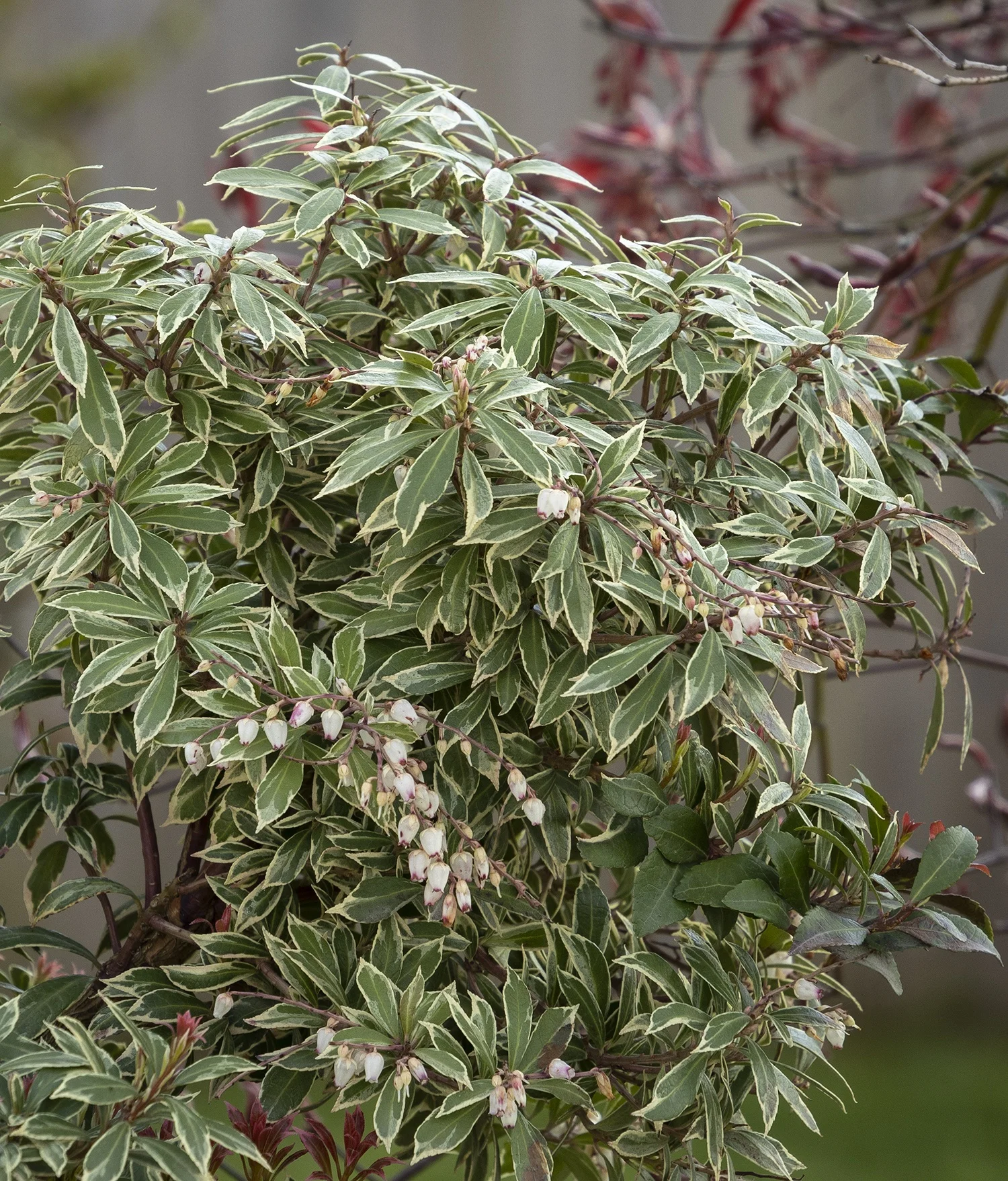
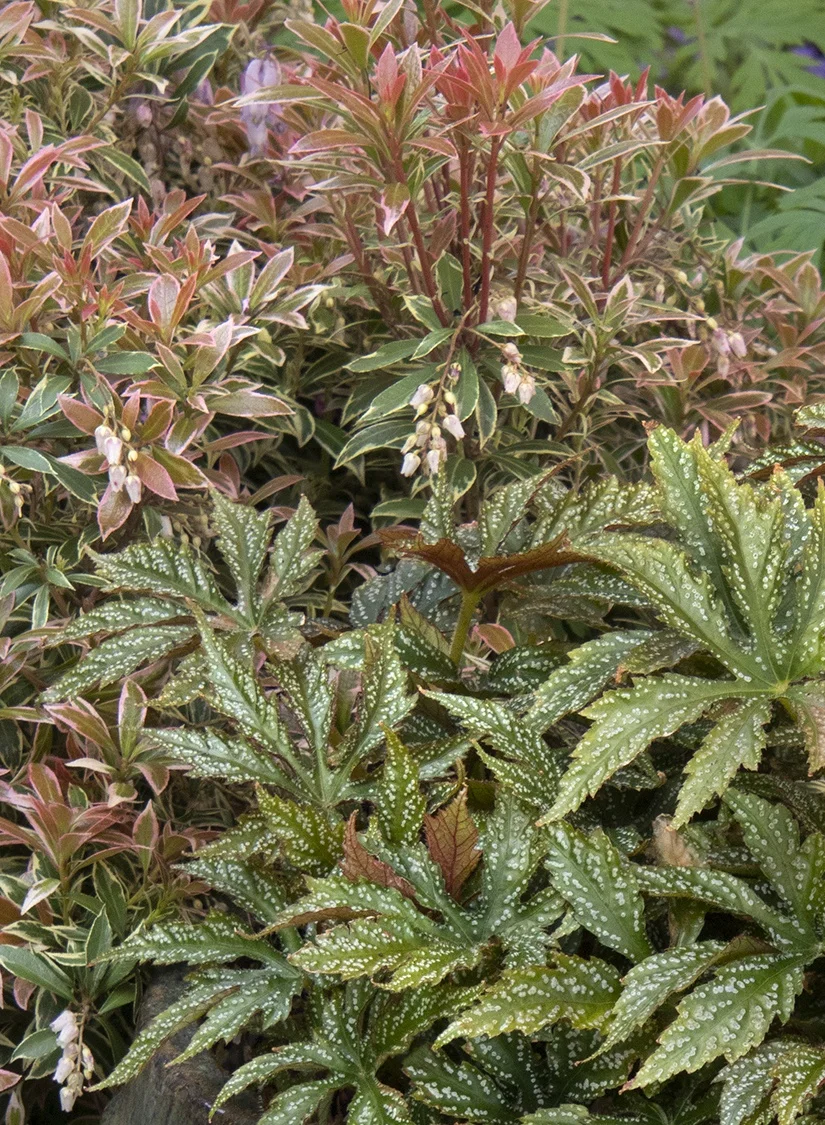
Little Heath Pieris
Pieris japonica 'Little Heath'
Pronunciation: PY-er-iss juh-PON-ih-kuh
SKU #06516
LIGHT:
Filtered sun, Partial shade, Partial sun
WATER:
Keep soil moist, but not soggy.
SIZE:
Slow growing; reaches 3 to 4 ft. tall and wide.

Home Delivery Price
?
- Arrives in 3 to 7 days
- Free shipping on orders over $149
- Perfect Start Promise
Select Quantity
Retailers Near You
This Plant's Growing Zones: 5-9
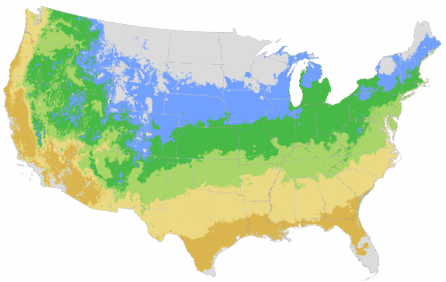
Your USDA Cold Hardiness Zone:
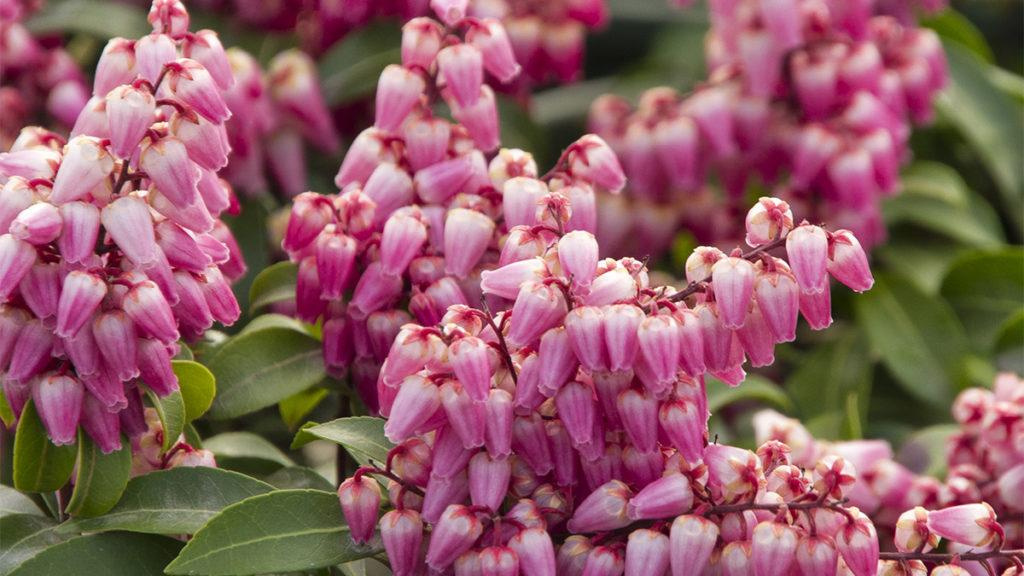
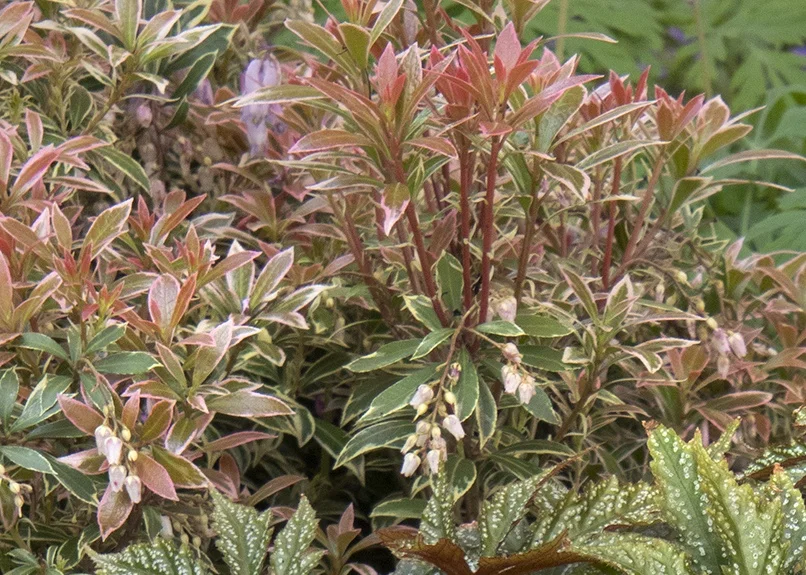
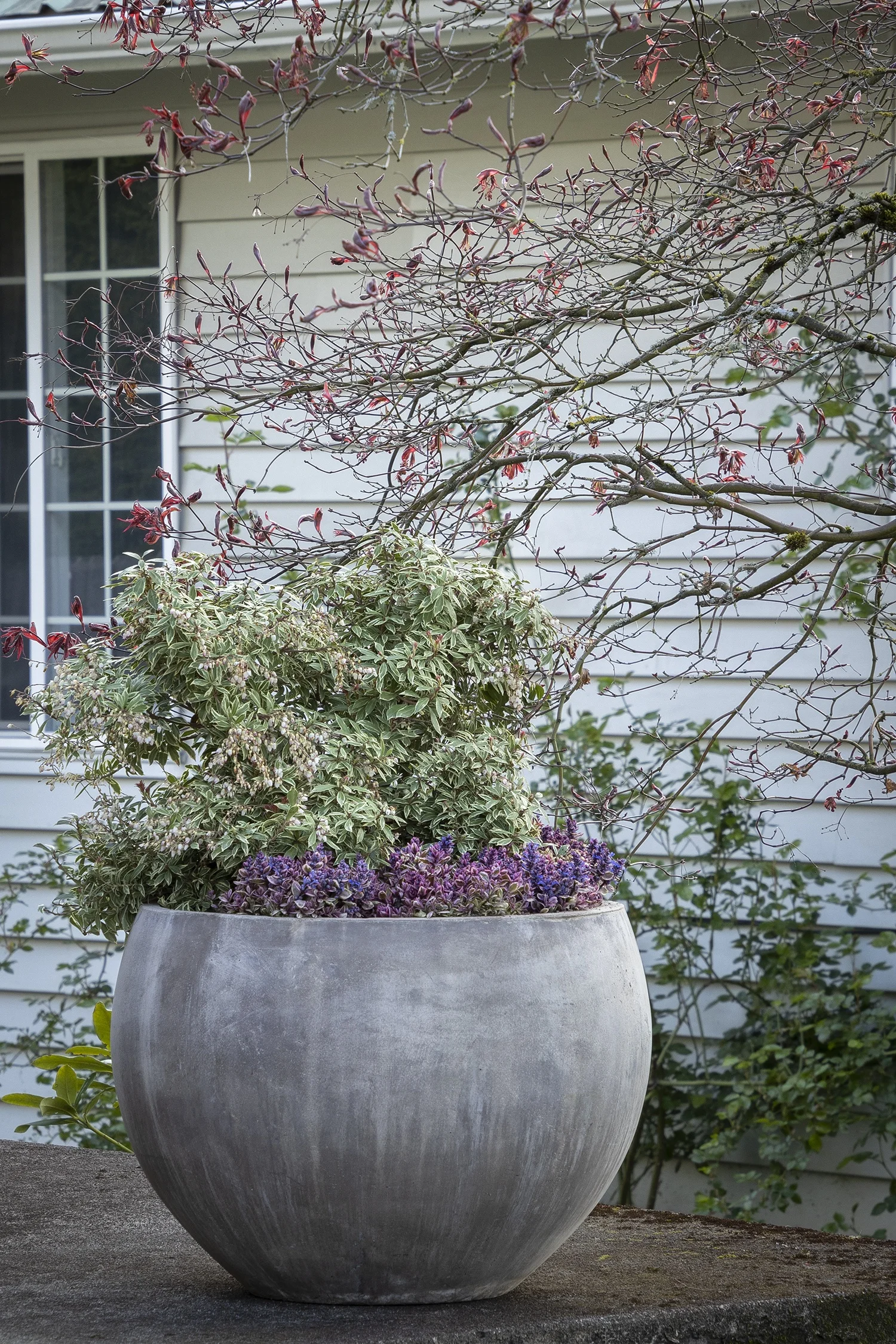
| Description | A neat, compact shrub with a yellow-green variegation on the margins of the gray-green leaves; new leaves are pink. Showy clusters of small, white, bell-shaped flowers add to the beauty in spring. Great for use as a low hedge, foundation plant, or container plant. Evergreen. |
|---|---|
| Bloom Time | Spring |
| Deciduous/Evergreen | Evergreen |
| Special Features | Dramatic Foliage Color, Compact Form |
| Problems/Solutions | Deer Resistant |
| Growth Rate | Slow |
| Flower Attributes | Showy Flowers |
| Landscape Use | Border, Hedge |
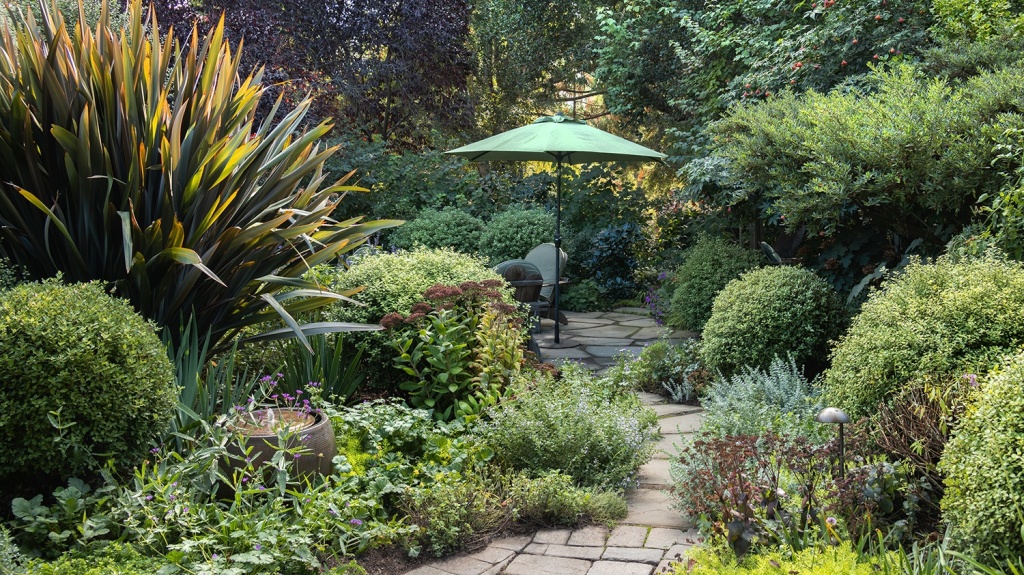
| Design Ideas | This is a perfect little plant for sheltered gardens needing solid foundational shrubs. Works well on north side of house or in areas influenced by buildings and tree shade. A natural in the acidic conditions beneath conifers and hardwoods. A beautiful light plant for the dappled shade of woodland gardens where greens tend to fade into darkness. |
| Flower Color | White |
| Foliage Color | Variegated |
| Companion Plants | Azalea (Azalea); Oregon Grape Holly (Mahonia); Camellia (Camellia); Japanese Forest Grass (Hakonechloa); Holly (Ilex) |
| Care Instructions | Provide organically rich, slightly acidic, evenly moist, well-drained soil, with protection from harsh winds. Thrives in dappled shade. Water deeply and regularly during the first growing season to establish an extensive root system. Keep roots cool with a thick layer of mulch. Feed with an acid fertilizer after bloom. |
| History | Pieris is a genus of ericaceous plants from Asia and North America. The original parent of most contempoary hybrids is P. japonica, introduced in 1784, from that first collected in Japan by Carl Thunberg of the Dutch East India Co. The variations in coloring can be traced to early breeding with P. formosa from the Himalayas resulting in P. floribuna hybrids. |
| Lore | The small bell shaped flowers of Pieris signifies that these plants belong in the Ericaceae family. |
Details
| Description | A neat, compact shrub with a yellow-green variegation on the margins of the gray-green leaves; new leaves are pink. Showy clusters of small, white, bell-shaped flowers add to the beauty in spring. Great for use as a low hedge, foundation plant, or container plant. Evergreen. |
|---|---|
| Bloom Time | Spring |
| Deciduous/Evergreen | Evergreen |
| Special Features | Dramatic Foliage Color, Compact Form |
| Problems/Solutions | Deer Resistant |
| Growth Rate | Slow |
| Flower Attributes | Showy Flowers |
Style
| Landscape Use | Border, Hedge |
|---|---|
| Design Ideas | This is a perfect little plant for sheltered gardens needing solid foundational shrubs. Works well on north side of house or in areas influenced by buildings and tree shade. A natural in the acidic conditions beneath conifers and hardwoods. A beautiful light plant for the dappled shade of woodland gardens where greens tend to fade into darkness. |
| Flower Color | White |
| Foliage Color | Variegated |
| Companion Plants | Azalea (Azalea); Oregon Grape Holly (Mahonia); Camellia (Camellia); Japanese Forest Grass (Hakonechloa); Holly (Ilex) |
Care
| Care Instructions | Provide organically rich, slightly acidic, evenly moist, well-drained soil, with protection from harsh winds. Thrives in dappled shade. Water deeply and regularly during the first growing season to establish an extensive root system. Keep roots cool with a thick layer of mulch. Feed with an acid fertilizer after bloom. |
|---|
History
| History | Pieris is a genus of ericaceous plants from Asia and North America. The original parent of most contempoary hybrids is P. japonica, introduced in 1784, from that first collected in Japan by Carl Thunberg of the Dutch East India Co. The variations in coloring can be traced to early breeding with P. formosa from the Himalayas resulting in P. floribuna hybrids. |
|---|---|
| Lore | The small bell shaped flowers of Pieris signifies that these plants belong in the Ericaceae family. |
Retailers Near You
About Us
We have been pioneers and craftsmen in the art of growing plants for 100 years. Since our founding in Southern California by Harry E. Rosedale, Sr. in 1926, we have been absolutely dedicated and obsessed with quality.
We have been pioneers and craftsmen in the art of growing plants for nearly 100 years. Since our founding in Southern California by Harry E. Rosedale, Sr. in 1926, we have been absolutely dedicated and obsessed with quality.