
You're growing in this Zip Code:
Discover Plants for Your Area
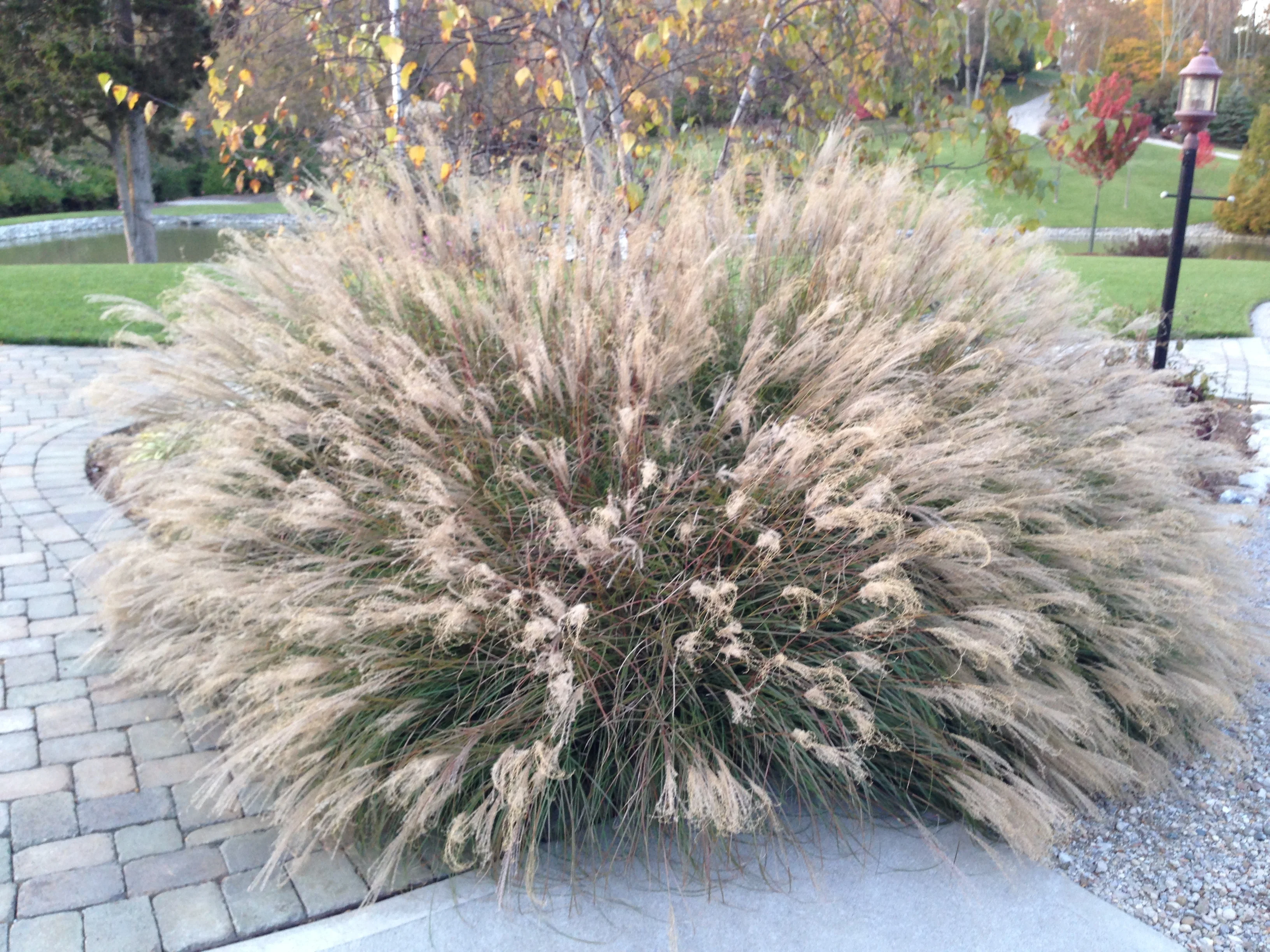
Little Kitten Maiden Grass
Miscanthus sinensis 'Little Kitten'
Pronunciation: mis-KAN-thus sin-EN-sis
SKU #00552
LIGHT:
Full sun
WATER:
Water when top 2 inches of soil is dry.
SIZE:
Fast growth to just 3 ft. tall in bloom and only 12 to 18 in. wide.

Retailers Near You
Ready to Grow?
Ship Monrovia plants directly to your door. Browse a curated selection available online.
Shop Now >This Plant's Growing Zones: 5-9
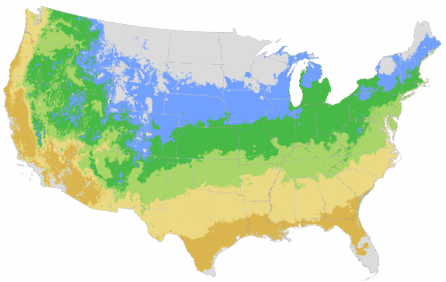
Your USDA Cold Hardiness Zone:
| Description | Narrow leaves are soft and slightly pendulous producing a lush foliage clump, turning gold in fall. Blonde flower spikes just inches above the plant remain through the winter. Great single specimen. Perfect size for decorative ceramic pots. Herbaceous perennial. |
|---|---|
| Bloom Time | Late summer |
| Deciduous/Evergreen | Herbaceous |
| Special Features | Fall Color, Waterwise, Fast Growing, Compact Form, Benefits Birds |
| Problems/Solutions | Coastal Exposure, Deer Resistant, Erosion Control |
| Growth Rate | Fast |
| Growth Habit | Clumping |
| Flower Attributes | Long Bloom Season |
| Landscape Use | Border, Container |
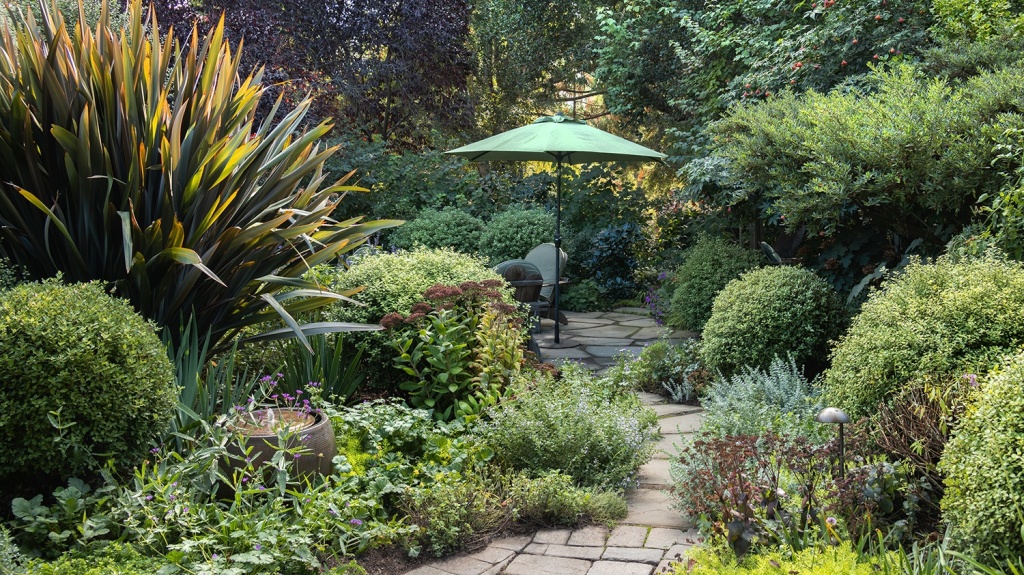
| Design Ideas | One of the better grasses for small space city gardens. Plant in masses to evoke the color and animation of wild grasslands. Great single specimen. Easy injection of exciting form and texture for ordinary garden planting. Limited size is perfect in decorative ceramic pots, and dramatic in pairs to flank an entry or focal point. |
| Flower Color | Yellow |
| Foliage Color | Green |
| Foliage Fall Color | Yellow |
| Companion Plants | Blanket Flower (Gaillardia); Salvia (Salvia); Tickseed (Coreopsis); Sedum (Sedum); Shasta Daisy (Chrysanthemum) |
| Care Instructions | Easily grown in most moderately drained soils. Water regularly during first growing season to establish a deep, extensive root system; deeply and less frequently when established. Prune to the ground in late winter just before new shoots appear. Divide clumps every 2-3 years in early spring. |
| History | This is the most well known genus of hardy ornamental grasses. It has been cultivated for aeons in Asia. This species is native to the mountains, foothills and lowlands of Japan but is also find in Taiwan and parts of China. This variety is a chance seedling of Miscanthus sinensis 'Yaku Jima', the parent of most diminuitive forms of this grass. It originated on the Japanese island of Yaku Jima. |
| Lore | This species is used for thatching roofs of temples and homes in Asia |
Details
| Description | Narrow leaves are soft and slightly pendulous producing a lush foliage clump, turning gold in fall. Blonde flower spikes just inches above the plant remain through the winter. Great single specimen. Perfect size for decorative ceramic pots. Herbaceous perennial. |
|---|---|
| Bloom Time | Late summer |
| Deciduous/Evergreen | Herbaceous |
| Special Features | Fall Color, Waterwise, Fast Growing, Compact Form, Benefits Birds |
| Problems/Solutions | Coastal Exposure, Deer Resistant, Erosion Control |
| Growth Rate | Fast |
| Growth Habit | Clumping |
| Flower Attributes | Long Bloom Season |
Style
| Landscape Use | Border, Container |
|---|---|
| Design Ideas | One of the better grasses for small space city gardens. Plant in masses to evoke the color and animation of wild grasslands. Great single specimen. Easy injection of exciting form and texture for ordinary garden planting. Limited size is perfect in decorative ceramic pots, and dramatic in pairs to flank an entry or focal point. |
| Flower Color | Yellow |
| Foliage Color | Green |
| Foliage Fall Color | Yellow |
| Companion Plants | Blanket Flower (Gaillardia); Salvia (Salvia); Tickseed (Coreopsis); Sedum (Sedum); Shasta Daisy (Chrysanthemum) |
Care
| Care Instructions | Easily grown in most moderately drained soils. Water regularly during first growing season to establish a deep, extensive root system; deeply and less frequently when established. Prune to the ground in late winter just before new shoots appear. Divide clumps every 2-3 years in early spring. |
|---|
History
| History | This is the most well known genus of hardy ornamental grasses. It has been cultivated for aeons in Asia. This species is native to the mountains, foothills and lowlands of Japan but is also find in Taiwan and parts of China. This variety is a chance seedling of Miscanthus sinensis 'Yaku Jima', the parent of most diminuitive forms of this grass. It originated on the Japanese island of Yaku Jima. |
|---|---|
| Lore | This species is used for thatching roofs of temples and homes in Asia |
Retailers Near You
About Us
We have been pioneers and craftsmen in the art of growing plants for 100 years. Since our founding in Southern California by Harry E. Rosedale, Sr. in 1926, we have been absolutely dedicated and obsessed with quality.
We have been pioneers and craftsmen in the art of growing plants for nearly 100 years. Since our founding in Southern California by Harry E. Rosedale, Sr. in 1926, we have been absolutely dedicated and obsessed with quality.