
You're growing in this Zip Code:
Discover Plants for Your Area
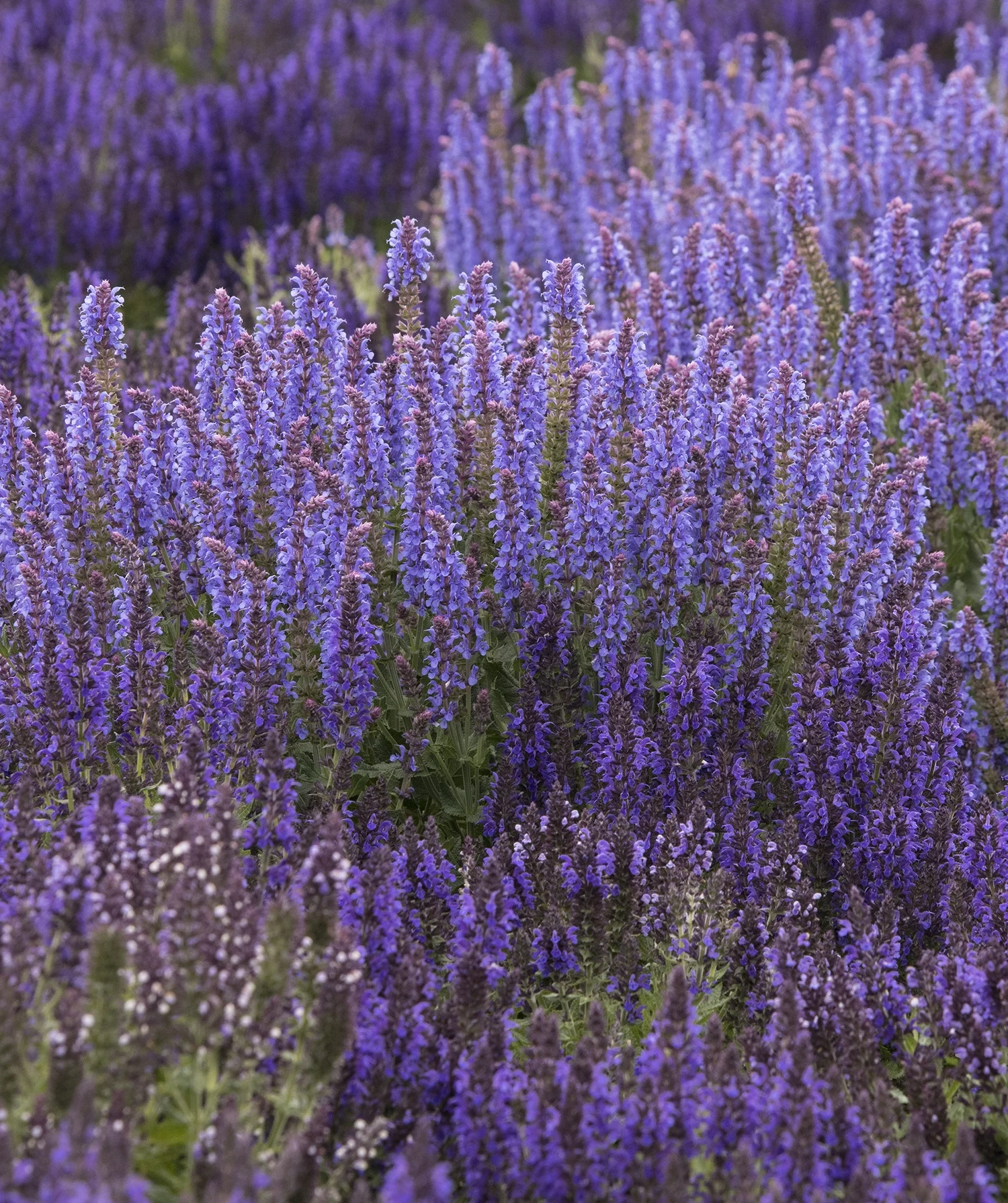
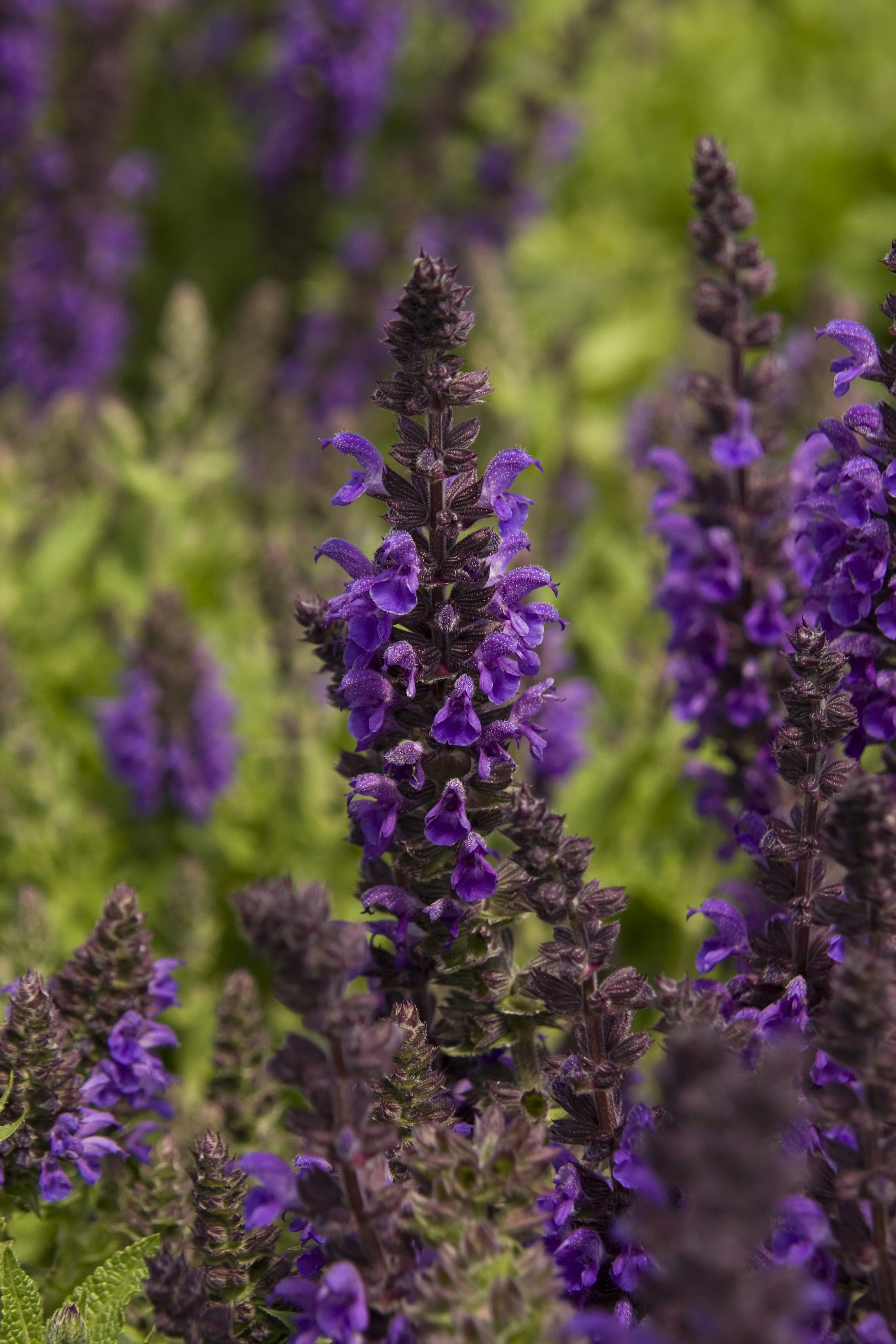
Marcus® Meadow Sage
Salvia nemorosa 'Haeumanarc'
Pronunciation: SAL-vee-uh nem-or-OH-suh
SKU #01954
LIGHT:
Full sun
WATER:
Allow soil to dry between waterings.
SIZE:
Moderate growing; reaches 12 in. tall, 18 in. wide.

Retailers Near You
Ready to Grow?
Ship Monrovia plants directly to your door. Browse a curated selection available online.
Shop Now >This Plant's Growing Zones: 4-9
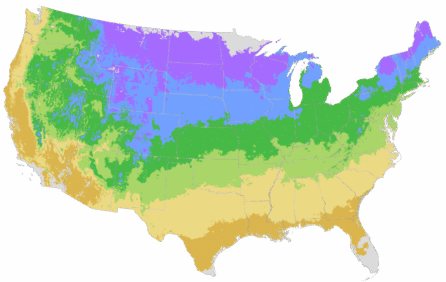
Your USDA Cold Hardiness Zone:
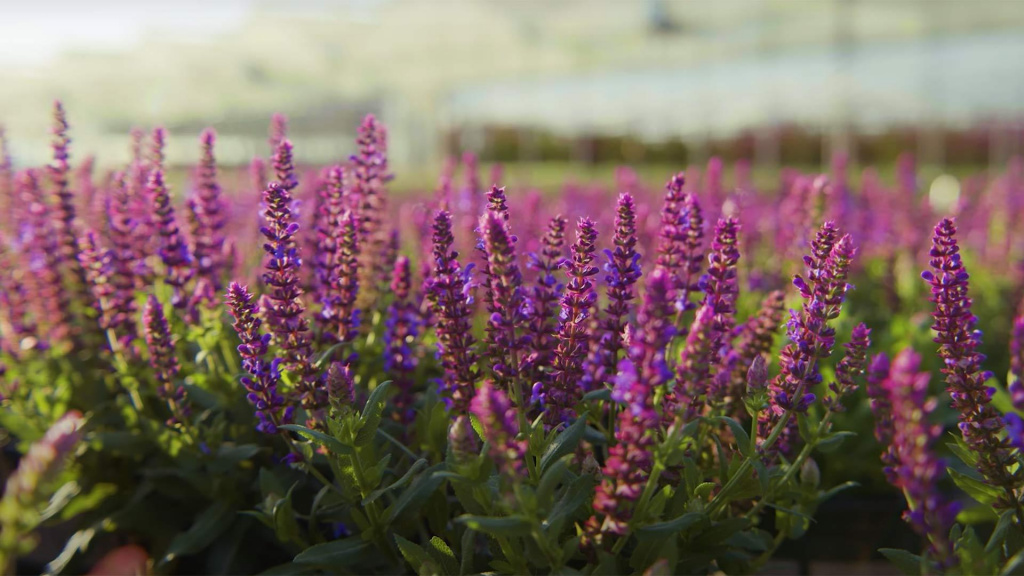
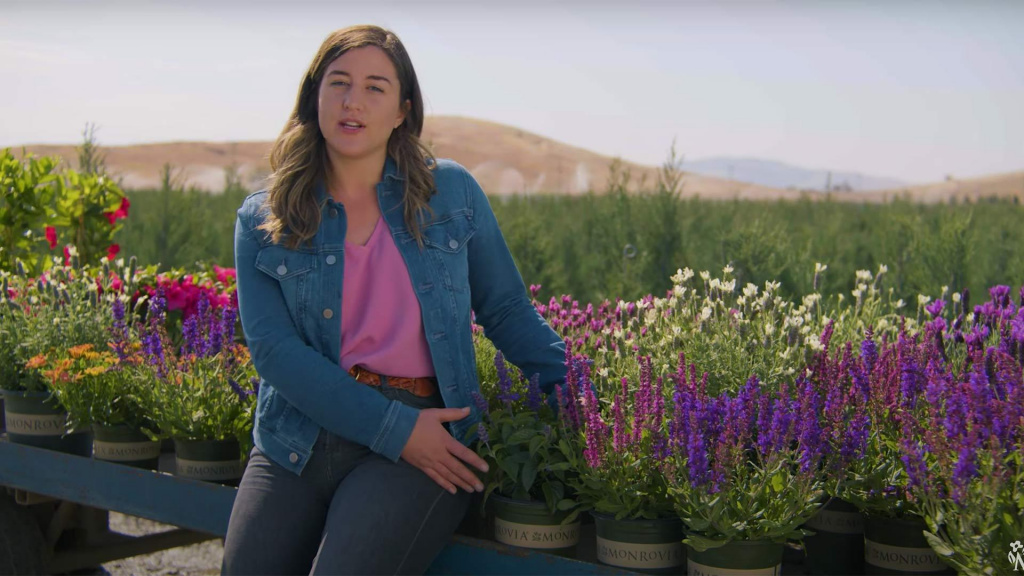

| Description | This especially compact selection is a stunning addition to any border with spikes of intense violet flowers that top dense, shrub-like clumps of fragrant, gray-green foliage throughout summer. Excellent for adding bold color in mass plantings. An herbaceous perennial. |
|---|---|
| Bloom Time | Early summer to fall |
| Deciduous/Evergreen | Herbaceous |
| Special Features | Easy Care, Waterwise, Attracts Pollinators, Heat Loving, Compact Form |
| Problems/Solutions | Deer Resistant, Rabbit Resistant |
| Growth Rate | Moderate |
| Flower Attributes | Flowers for Cutting, Showy Flowers |
| Patent Act | Asexual reproduction of plants protected by the Plant Patent Act is prohibited during the life of the patent. |
| Landscape Use | Border, Container |
| Design Ideas | A diminutive salvia that's perfect for adding reliable color to tight city gardens. Fleshes out small openings in pavement; thrives in well drained raised planters. Exceptional for tidiness in the front of the sunny perennial border. Makes a perfect groundcovering plant in front of shrubs that have lost their skirts. Size is perfect for rock and alpine gardens. Among the best new salvias for pots and container gardening. A roof garden winner! |
| Flower Color | Purple |
| Foliage Color | Gray-green |
| Companion Plants | Maiden Grass (Miscanthus); Milkweed (Asclepias); Coneflower (Echinacea); Blanket Flower (Gaillardia); Blue Fescue (Festuca) |
| Care Instructions | Thrives in average, well-drained soils; tolerates clay soils. Water deeply and regularly during the first growing season to establish an extensive root system; reduce frequency, once established. Feed with an all-purpose fertilizer before new growth begins in spring. Remove spent flower heads to encourage continued bloom. |
| History | This new cultivar was developed in Germany. Salvia nemorosa is a native wildflower of central, southeast and eastern Europe and is widely distributed there. It was among the first salvias to be brought into gardens wit considerable early breeding in Germany. It remains a standard for cold climate salvia. |
| Lore | Wild savlia has been used medicinally in lieu of garden sage for European folk medicine. |
Details
| Description | This especially compact selection is a stunning addition to any border with spikes of intense violet flowers that top dense, shrub-like clumps of fragrant, gray-green foliage throughout summer. Excellent for adding bold color in mass plantings. An herbaceous perennial. |
|---|---|
| Bloom Time | Early summer to fall |
| Deciduous/Evergreen | Herbaceous |
| Special Features | Easy Care, Waterwise, Attracts Pollinators, Heat Loving, Compact Form |
| Problems/Solutions | Deer Resistant, Rabbit Resistant |
| Growth Rate | Moderate |
| Flower Attributes | Flowers for Cutting, Showy Flowers |
| Patent Act | Asexual reproduction of plants protected by the Plant Patent Act is prohibited during the life of the patent. |
Style
| Landscape Use | Border, Container |
|---|---|
| Design Ideas | A diminutive salvia that's perfect for adding reliable color to tight city gardens. Fleshes out small openings in pavement; thrives in well drained raised planters. Exceptional for tidiness in the front of the sunny perennial border. Makes a perfect groundcovering plant in front of shrubs that have lost their skirts. Size is perfect for rock and alpine gardens. Among the best new salvias for pots and container gardening. A roof garden winner! |
| Flower Color | Purple |
| Foliage Color | Gray-green |
| Companion Plants | Maiden Grass (Miscanthus); Milkweed (Asclepias); Coneflower (Echinacea); Blanket Flower (Gaillardia); Blue Fescue (Festuca) |
Care
| Care Instructions | Thrives in average, well-drained soils; tolerates clay soils. Water deeply and regularly during the first growing season to establish an extensive root system; reduce frequency, once established. Feed with an all-purpose fertilizer before new growth begins in spring. Remove spent flower heads to encourage continued bloom. |
|---|
History
| History | This new cultivar was developed in Germany. Salvia nemorosa is a native wildflower of central, southeast and eastern Europe and is widely distributed there. It was among the first salvias to be brought into gardens wit considerable early breeding in Germany. It remains a standard for cold climate salvia. |
|---|---|
| Lore | Wild savlia has been used medicinally in lieu of garden sage for European folk medicine. |
Retailers Near You
About Us
We have been pioneers and craftsmen in the art of growing plants for 100 years. Since our founding in Southern California by Harry E. Rosedale, Sr. in 1926, we have been absolutely dedicated and obsessed with quality.
We have been pioneers and craftsmen in the art of growing plants for nearly 100 years. Since our founding in Southern California by Harry E. Rosedale, Sr. in 1926, we have been absolutely dedicated and obsessed with quality.