
You're growing in this Zip Code:
Discover Plants for Your Area
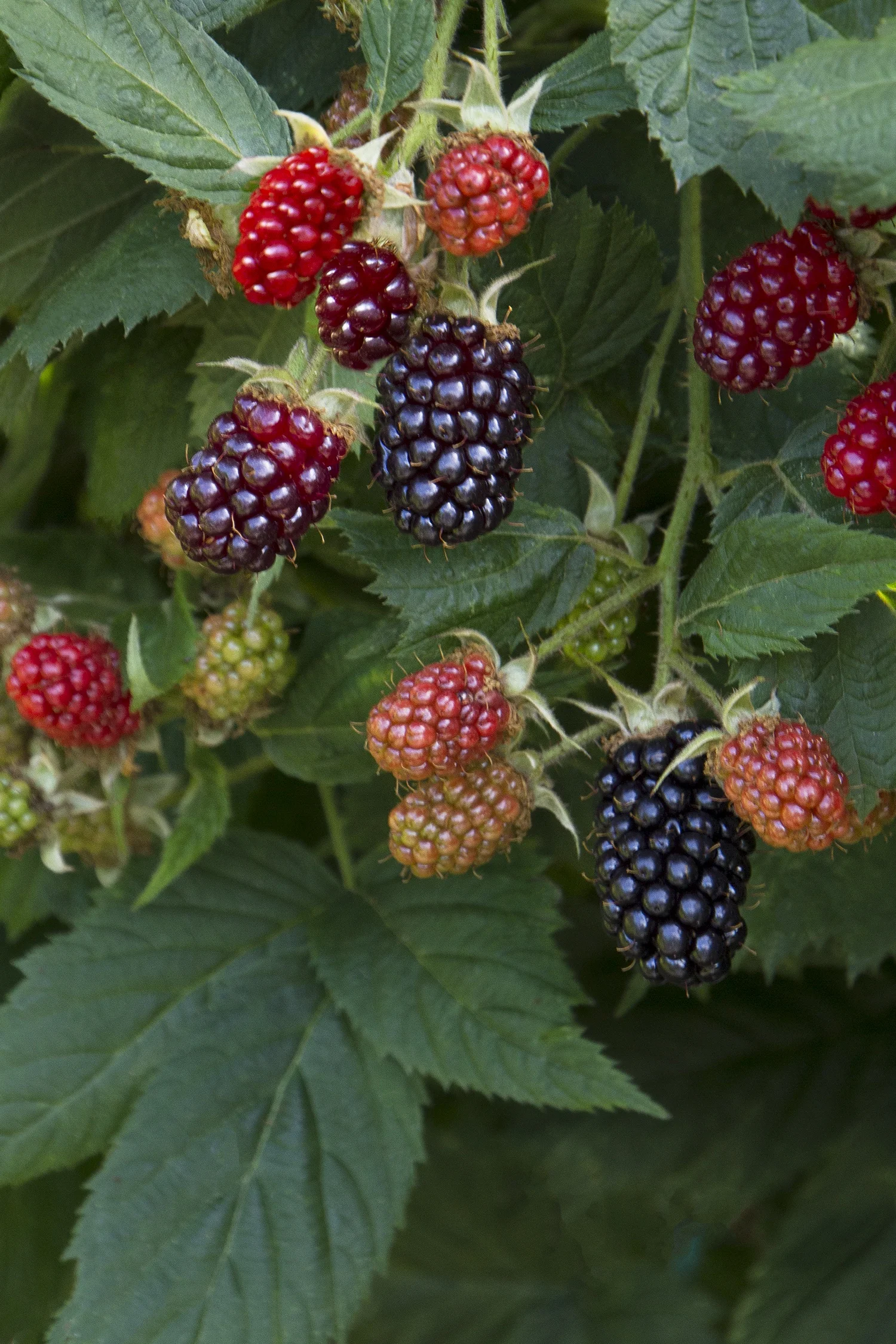
Marion Blackberry
Rubus x 'Marion'
Pronunciation: ROO-bus
SKU #07523
LIGHT:
Full sun
WATER:
Water when top 2 inches of soil is dry.
SIZE:
Fast growing, trailing canes to 4 ft. tall, 6 ft. wide.

Home Delivery Price
?
- Arrives in 3 to 7 days
- Free shipping on orders over $149
- Perfect Start Promise
Select Quantity
Retailers Near You
This Plant's Growing Zones: 6-9
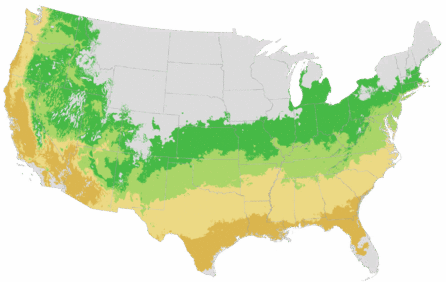
Your USDA Cold Hardiness Zone:
| Description | A popular blackberry-raspberry hybrid valued for its juicy edible fruits. Sparse, long, lax canes bear white flowers in spring, followed by heavy crops of plump, dark red to black berries that are prized for their sweet flavor. A wonderful berry for fresh eating or baking. The berries ripen from early to midsummer. Deciduous. |
|---|---|
| Bloom Time | Spring |
| Deciduous/Evergreen | Deciduous |
| Special Features | Showy Fruit, Edible, Fast Growing, Benefits Birds |
| Growth Rate | Fast |
| Landscape Use | Border |
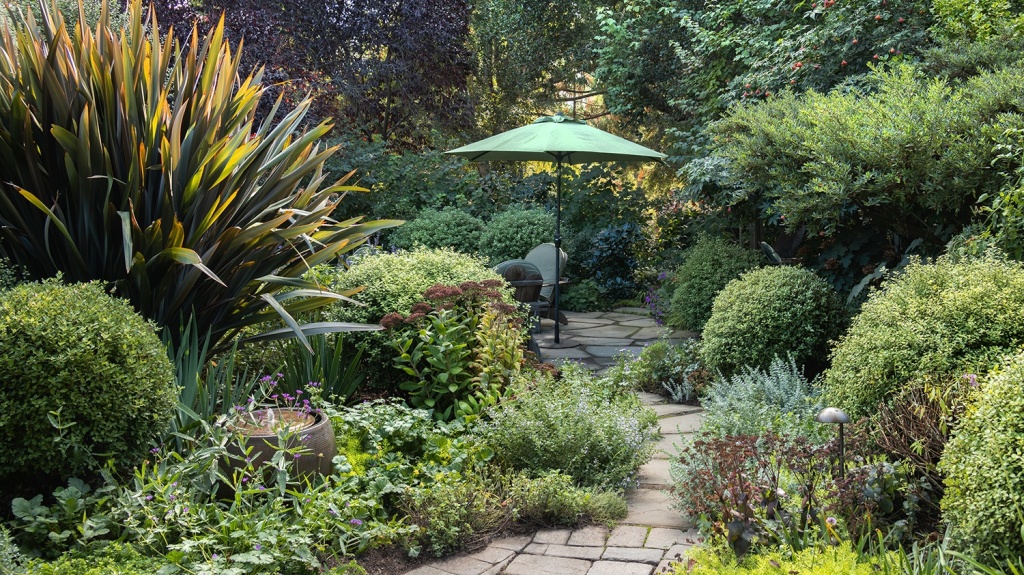
| Design Ideas | Plant this tasty berry near a fence, wall or wherever you can provide plenty of support and room for its fruit-laden canes. Grow as a freestanding shrub in a large garden bed and stake canes. This berry is an excellent addition to the fruit and kitchen garden. |
| Flower Color | White |
| Foliage Color | Green |
| Companion Plants | Salvia (Salvia); Rosemary (Rosmarinus); Yarrow (Achillea); Russian Sage (Perovskia); Lavender (Lavandula) |
| Care Instructions | Provide fertile, mildly acidic, well-drained soil. In hot summer regions, shelter from harsh sun, and mulch to keep roots cool. Water deeply, regularly in first growing season to establish root system. Feed in early spring. After harvest, prune away canes that have fruited. Leave newer canes to produce next season's crop; train on trellis. |
| History | Rubus 'Marion' was named for Marion County, Oregon. It is USDA hybrid of R. ursinus and R. x armeniaus, released in 1956. |
| Lore | The name blackberry is a misnomer because this isn't a true berry. It's a drupe, an entirely different sort of fruit. The genus Rubus includes many different plants collectively known as "brambles" because they share viney growth and wickedly sharp thorns. |
Details
| Description | A popular blackberry-raspberry hybrid valued for its juicy edible fruits. Sparse, long, lax canes bear white flowers in spring, followed by heavy crops of plump, dark red to black berries that are prized for their sweet flavor. A wonderful berry for fresh eating or baking. The berries ripen from early to midsummer. Deciduous. |
|---|---|
| Bloom Time | Spring |
| Deciduous/Evergreen | Deciduous |
| Special Features | Showy Fruit, Edible, Fast Growing, Benefits Birds |
| Growth Rate | Fast |
Style
| Landscape Use | Border |
|---|---|
| Design Ideas | Plant this tasty berry near a fence, wall or wherever you can provide plenty of support and room for its fruit-laden canes. Grow as a freestanding shrub in a large garden bed and stake canes. This berry is an excellent addition to the fruit and kitchen garden. |
| Flower Color | White |
| Foliage Color | Green |
| Companion Plants | Salvia (Salvia); Rosemary (Rosmarinus); Yarrow (Achillea); Russian Sage (Perovskia); Lavender (Lavandula) |
Care
| Care Instructions | Provide fertile, mildly acidic, well-drained soil. In hot summer regions, shelter from harsh sun, and mulch to keep roots cool. Water deeply, regularly in first growing season to establish root system. Feed in early spring. After harvest, prune away canes that have fruited. Leave newer canes to produce next season's crop; train on trellis. |
|---|
History
| History | Rubus 'Marion' was named for Marion County, Oregon. It is USDA hybrid of R. ursinus and R. x armeniaus, released in 1956. |
|---|---|
| Lore | The name blackberry is a misnomer because this isn't a true berry. It's a drupe, an entirely different sort of fruit. The genus Rubus includes many different plants collectively known as "brambles" because they share viney growth and wickedly sharp thorns. |
Retailers Near You
About Us
We have been pioneers and craftsmen in the art of growing plants for 100 years. Since our founding in Southern California by Harry E. Rosedale, Sr. in 1926, we have been absolutely dedicated and obsessed with quality.
We have been pioneers and craftsmen in the art of growing plants for nearly 100 years. Since our founding in Southern California by Harry E. Rosedale, Sr. in 1926, we have been absolutely dedicated and obsessed with quality.