
You're growing in this Zip Code:
Discover Plants for Your Area

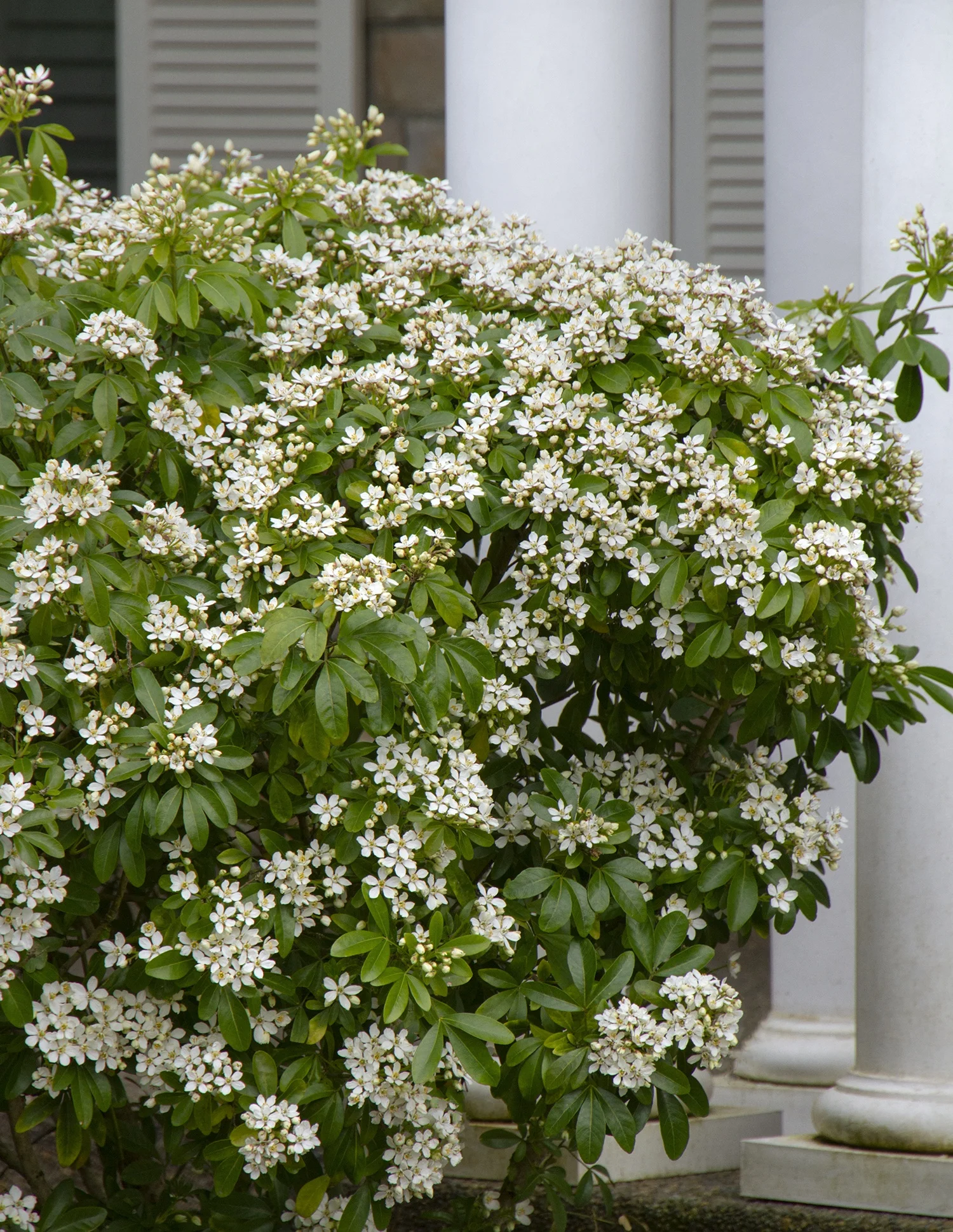


Mexican Orange Blossom
Choisya ternata
Pronunciation: choy-zee-a ter-NAH-ta
SKU #02435
LIGHT:
Full sun, Partial sun
WATER:
Water when top 2 inches of soil is dry.
SIZE:
Moderate growing; reaches 6 to 8 ft. tall and slightly wider.

Retailers Near You
Ready to Grow?
Ship Monrovia plants directly to your door. Browse a curated selection available online.
Shop Now >This Plant's Growing Zones: 7-10
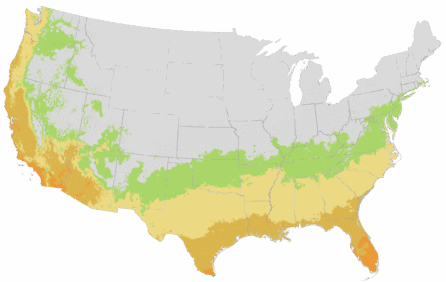
Your USDA Cold Hardiness Zone:
| Description | A handsome evergreen shrub for warm climates with fragrant orange blossom-like flowers and glossy, soft green leaves that emit a pleasant citrus odor when crushed. The naturally mounded form with dense branching and foliage is excellent for use in foundation plantings and perennial borders. |
|---|---|
| Bloom Time | Early summer |
| Deciduous/Evergreen | Evergreen |
| Special Features | Easy Care, Attracts Pollinators |
| Problems/Solutions | Deer Resistant |
| Growth Rate | Moderate |
| Flower Attributes | Fragrant, Repeat Flowering, Showy Flowers |
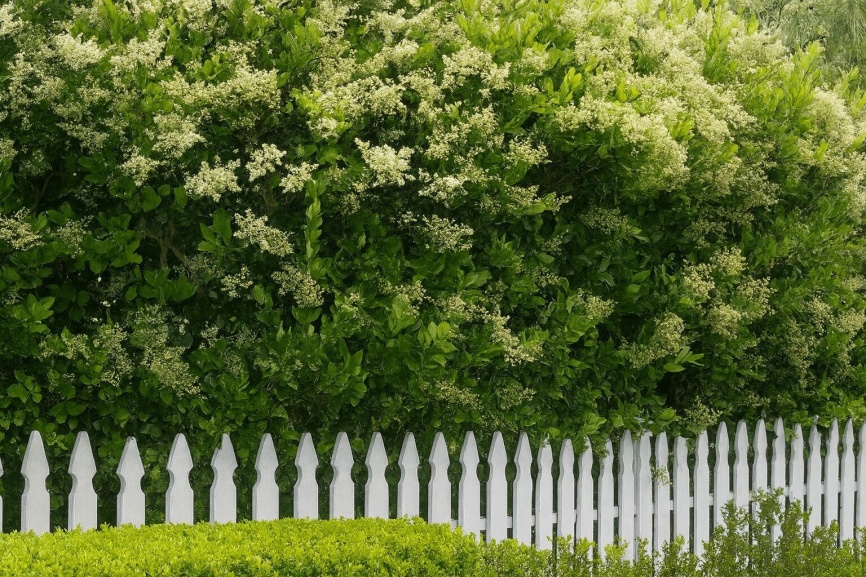
| Landscape Use | Border, Hedge, Privacy Screen, Hillside |
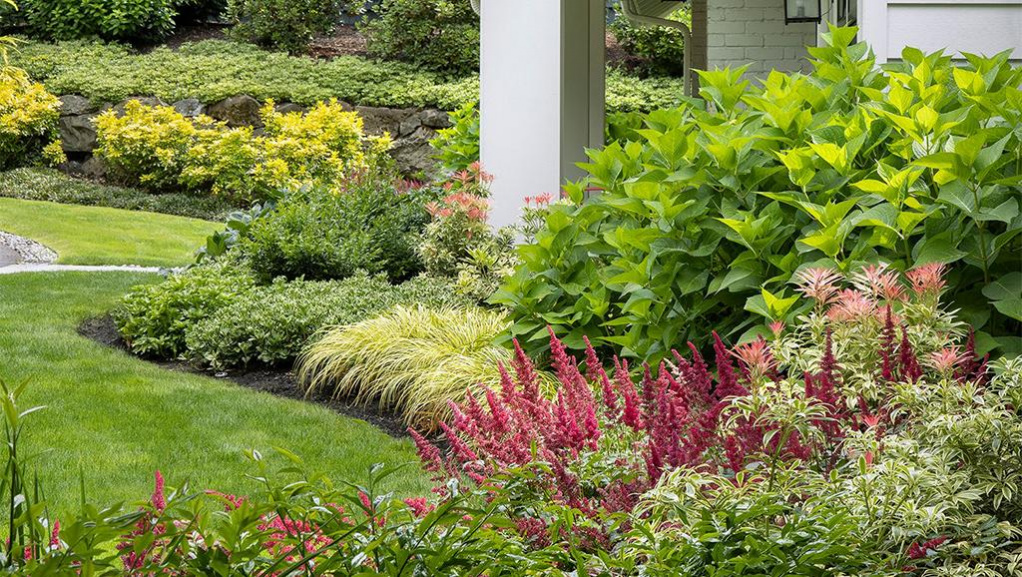
| Design Ideas | This is the quintessential foundation broadleaf evergreen shrub for covering vents, utilities and exposed footings. Makes a beautiful backgrounder for perennial beds and breaks up long fence lines with glossy foliage. Lustrous quality is a fine filler for tropical inspired landscapes that need specific look. Trim form is equally at home in semi-formal traditional suburban landscaping. |
| Flower Color | White |
| Foliage Color | Green |
| Companion Plants | California Lilac (Ceanothus); Crape Myrtle (Lagerstroemia); Loroptalum (Loropetalum); Iris (Iris); Shasta Daisy (Chrysanthemum) |
| Care Instructions | Grows easily in slightly acidic, fertile, well-drained soils. Water deeply, regularly during the first growing season to establish an extensive root system; once established, reduce frequency. Feed with a general purpose fertilizer before new growth begins in spring. For a formal appearance, prune annually after flowering. |
| History | This shrub is native to the high elevations of Mexico preferring the protection of canyons and rocky sheltered hillsides. It was introduced into the U.S. in 1825. It is classified in the Rutaceae family and named for James Denis Choisy, Swiss botanist from Geneva. |
Details
| Description | A handsome evergreen shrub for warm climates with fragrant orange blossom-like flowers and glossy, soft green leaves that emit a pleasant citrus odor when crushed. The naturally mounded form with dense branching and foliage is excellent for use in foundation plantings and perennial borders. |
|---|---|
| Bloom Time | Early summer |
| Deciduous/Evergreen | Evergreen |
| Special Features | Easy Care, Attracts Pollinators |
| Problems/Solutions | Deer Resistant |
| Growth Rate | Moderate |
| Flower Attributes | Fragrant, Repeat Flowering, Showy Flowers |
Style
| Landscape Use | Border, Hedge, Privacy Screen, Hillside |
|---|---|
| Design Ideas | This is the quintessential foundation broadleaf evergreen shrub for covering vents, utilities and exposed footings. Makes a beautiful backgrounder for perennial beds and breaks up long fence lines with glossy foliage. Lustrous quality is a fine filler for tropical inspired landscapes that need specific look. Trim form is equally at home in semi-formal traditional suburban landscaping. |
| Flower Color | White |
| Foliage Color | Green |
| Companion Plants | California Lilac (Ceanothus); Crape Myrtle (Lagerstroemia); Loroptalum (Loropetalum); Iris (Iris); Shasta Daisy (Chrysanthemum) |
Care
| Care Instructions | Grows easily in slightly acidic, fertile, well-drained soils. Water deeply, regularly during the first growing season to establish an extensive root system; once established, reduce frequency. Feed with a general purpose fertilizer before new growth begins in spring. For a formal appearance, prune annually after flowering. |
|---|
History
| History | This shrub is native to the high elevations of Mexico preferring the protection of canyons and rocky sheltered hillsides. It was introduced into the U.S. in 1825. It is classified in the Rutaceae family and named for James Denis Choisy, Swiss botanist from Geneva. |
|---|
Retailers Near You
About Us
We have been pioneers and craftsmen in the art of growing plants for 100 years. Since our founding in Southern California by Harry E. Rosedale, Sr. in 1926, we have been absolutely dedicated and obsessed with quality.
We have been pioneers and craftsmen in the art of growing plants for nearly 100 years. Since our founding in Southern California by Harry E. Rosedale, Sr. in 1926, we have been absolutely dedicated and obsessed with quality.