
You're growing in this Zip Code:
Discover Plants for Your Area


Mini Pearl Dwarf Daylily
Hemerocallis x 'Mini Pearl'
Pronunciation: hem-er-o-KAL-is
SKU #04013
LIGHT:
Full sun
WATER:
Keep soil moist, especially when in bloom.
SIZE:
Foliage to 1 1/2 ft. tall, flower stalks taller.

Retailers Near You
Ready to Grow?
Ship Monrovia plants directly to your door. Browse a curated selection available online.
Shop Now >This Plant's Growing Zones: 4-11
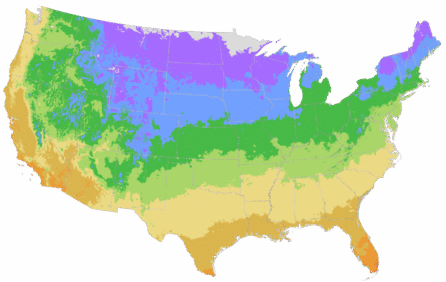
Your USDA Cold Hardiness Zone:
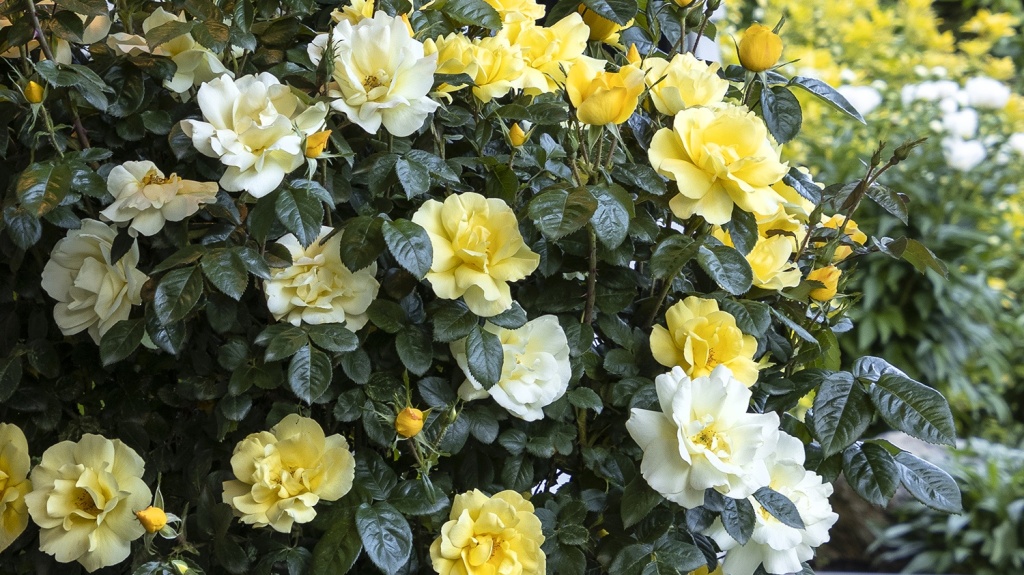
| Description | Favorite flowering perennial. Compact clumps of grass-like leaves are highlighted by pink-blushed yellow flowers on tall stems. This smaller growing selection reblooms throughout the summer months. Evergreen to semi-evergreen in mild winter climates. |
|---|---|
| Bloom Time | Summer |
| Deciduous/Evergreen | Herbaceous |
| Special Features | Attracts Butterflies, Easy Care, Improved Pest and Disease Resistance, Waterwise, Attracts Pollinators, Compact Form |
| Problems/Solutions | Coastal Exposure, Rabbit Resistant, Very Wet Areas |
| Growth Rate | Moderate |
| Flower Attributes | Flowers for Cutting, Repeat Flowering, Showy Flowers |
| Landscape Use | Border, Container, Poolside |
| Design Ideas | This miniature Daylily is a carefree perennial that fits into almost any garden, no matter how small. Spot into perennial borders as individuals or small clusters. Mass into a sea of color that functions much like groundcover. These little fellows are great in containers, pots or troughs and window boxes. With its strap-leafed form and flowers on long wand-like stems, Daylily offers dramatic relief between dwarf shrubs. |
| Flower Color | Pink |
| Foliage Color | Green |
| Companion Plants | A beautiful plant to take the place of finicky Asiatic Lily. Use this Mini with the exotic but very easy Sword Fern (Nephrolepis exaltata) or Peruvian Lily (Alstroemeria Hybrids) with its pretty Azalea-like flowers. Try in alternating clumps with Little Grapette Miniature Daylily (Hemerocallis hybrids 'Little Grapette') woven into a carpet of the lovely blue-flowered Dalmatian Bellflower (Campanula portenschlagiana). For more cottage-garden charm, add the casual Wayne Roderick Fleabane (Erigeron x 'Wayne Roderick'). |
| Care Instructions | Thrives in organically rich loam; adapts to most soil types, provided they are well-drained. Water deeply and regularly during the first growing season to establish an extensive root system; reduce frequency, once established. Remove old foliage and spent blooms for a neat appearance and to promote continued bloom. |
| History | In its homeland, China, the species daylily is found in early literature dating to 2697 BC. Although it arrived early the daylily was not named until 1753 where the genus was derived from the Greek for "beauty" and "day". Cultivation began in France and spread throughout Europe by the 19th century. Not until Dr. A. B. Stout of the Carolinas discovered a way to cross pollinate the plants in 1921 did any significant varieties or color variations appear. Mini Pearl, a diploid cultivar, was introduced by breeder Jablonski in 1982. |
| Lore | In China, the native yellow daylily was more commonly a food crop than an ornamental. |
Details
| Description | Favorite flowering perennial. Compact clumps of grass-like leaves are highlighted by pink-blushed yellow flowers on tall stems. This smaller growing selection reblooms throughout the summer months. Evergreen to semi-evergreen in mild winter climates. |
|---|---|
| Bloom Time | Summer |
| Deciduous/Evergreen | Herbaceous |
| Special Features | Attracts Butterflies, Easy Care, Improved Pest and Disease Resistance, Waterwise, Attracts Pollinators, Compact Form |
| Problems/Solutions | Coastal Exposure, Rabbit Resistant, Very Wet Areas |
| Growth Rate | Moderate |
| Flower Attributes | Flowers for Cutting, Repeat Flowering, Showy Flowers |
Style
| Landscape Use | Border, Container, Poolside |
|---|---|
| Design Ideas | This miniature Daylily is a carefree perennial that fits into almost any garden, no matter how small. Spot into perennial borders as individuals or small clusters. Mass into a sea of color that functions much like groundcover. These little fellows are great in containers, pots or troughs and window boxes. With its strap-leafed form and flowers on long wand-like stems, Daylily offers dramatic relief between dwarf shrubs. |
| Flower Color | Pink |
| Foliage Color | Green |
| Companion Plants | A beautiful plant to take the place of finicky Asiatic Lily. Use this Mini with the exotic but very easy Sword Fern (Nephrolepis exaltata) or Peruvian Lily (Alstroemeria Hybrids) with its pretty Azalea-like flowers. Try in alternating clumps with Little Grapette Miniature Daylily (Hemerocallis hybrids 'Little Grapette') woven into a carpet of the lovely blue-flowered Dalmatian Bellflower (Campanula portenschlagiana). For more cottage-garden charm, add the casual Wayne Roderick Fleabane (Erigeron x 'Wayne Roderick'). |
Care
| Care Instructions | Thrives in organically rich loam; adapts to most soil types, provided they are well-drained. Water deeply and regularly during the first growing season to establish an extensive root system; reduce frequency, once established. Remove old foliage and spent blooms for a neat appearance and to promote continued bloom. |
|---|
History
| History | In its homeland, China, the species daylily is found in early literature dating to 2697 BC. Although it arrived early the daylily was not named until 1753 where the genus was derived from the Greek for "beauty" and "day". Cultivation began in France and spread throughout Europe by the 19th century. Not until Dr. A. B. Stout of the Carolinas discovered a way to cross pollinate the plants in 1921 did any significant varieties or color variations appear. Mini Pearl, a diploid cultivar, was introduced by breeder Jablonski in 1982. |
|---|---|
| Lore | In China, the native yellow daylily was more commonly a food crop than an ornamental. |
Retailers Near You
About Us
We have been pioneers and craftsmen in the art of growing plants for 100 years. Since our founding in Southern California by Harry E. Rosedale, Sr. in 1926, we have been absolutely dedicated and obsessed with quality.
We have been pioneers and craftsmen in the art of growing plants for nearly 100 years. Since our founding in Southern California by Harry E. Rosedale, Sr. in 1926, we have been absolutely dedicated and obsessed with quality.