
You're growing in this Zip Code:
Discover Plants for Your Area


Miniature Cattail
Typha minima
Pronunciation: TY-fa MIN-i-ma
SKU #07339
LIGHT:
Full sun, Partial sun
WATER:
Keep soil moist to wet.
SIZE:
Clumps to 18 in. tall, 12-18 in. wide. Seedhead stalks to 20-30 inches tall.

Retailers Near You
Ready to Grow?
Ship Monrovia plants directly to your door. Browse a curated selection available online.
Shop Now >This Plant's Growing Zones: 4-11
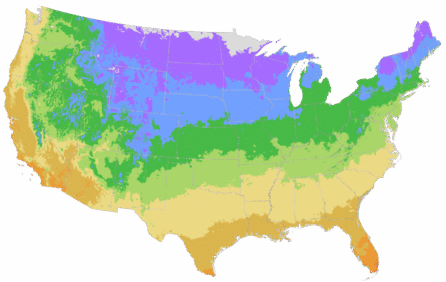
Your USDA Cold Hardiness Zone:
| Description | Deciduous perennial with grass-like, very narrow stiff green leaves. Rising above the foliage are decorative, miniature, cylindrical seed heads. Very effective for moist sites around ponds and water. |
|---|---|
| Bloom Time | Late summer to fall. |
| Deciduous/Evergreen | Deciduous |
| Special Features | Easy Care, North American Native, Compact Form, Benefits Birds |
| Problems/Solutions | Erosion Control, Very Wet Areas |
| Growth Rate | Moderate |
| Growth Habit | Clumping |
| Flower Attributes | Flowers for Cutting, Showy Flowers |
| Design Ideas | This delightful, small cattail looks wonderful at the edge of a pond or in a water-feature container by the pool. |
| Flower Color | Brown |
| Foliage Color | Green |
| Companion Plants | Bee Balm (Monarda); Turtlehead (Chelone); Spiderwort (Tradescantia); Cardinal Flower (Lobelia); Joe-Pye Weed (Eupatorium) |
| Care Instructions | Follow a regular watering schedule during the first growing season to establish a deep, extensive root system. Control weeds until the plants have filled in. Feed with a general purpose fertilizer. |
| History | This small species belongs to the cattail family, Typhaceae that are commonly known as bulrushes. It contains just one genus, Typha and about 15 species, all wetland plants natire to the Norther Hemisphere around the world. This small form originates in Europe. |
| Lore | Native Americans used this plant for many purposes from food to stuffing, with the long, slender leaves preferred fibers for baskets, mats and rope. |
Details
| Description | Deciduous perennial with grass-like, very narrow stiff green leaves. Rising above the foliage are decorative, miniature, cylindrical seed heads. Very effective for moist sites around ponds and water. |
|---|---|
| Bloom Time | Late summer to fall. |
| Deciduous/Evergreen | Deciduous |
| Special Features | Easy Care, North American Native, Compact Form, Benefits Birds |
| Problems/Solutions | Erosion Control, Very Wet Areas |
| Growth Rate | Moderate |
| Growth Habit | Clumping |
| Flower Attributes | Flowers for Cutting, Showy Flowers |
Style
| Design Ideas | This delightful, small cattail looks wonderful at the edge of a pond or in a water-feature container by the pool. |
|---|---|
| Flower Color | Brown |
| Foliage Color | Green |
| Companion Plants | Bee Balm (Monarda); Turtlehead (Chelone); Spiderwort (Tradescantia); Cardinal Flower (Lobelia); Joe-Pye Weed (Eupatorium) |
Care
| Care Instructions | Follow a regular watering schedule during the first growing season to establish a deep, extensive root system. Control weeds until the plants have filled in. Feed with a general purpose fertilizer. |
|---|
History
| History | This small species belongs to the cattail family, Typhaceae that are commonly known as bulrushes. It contains just one genus, Typha and about 15 species, all wetland plants natire to the Norther Hemisphere around the world. This small form originates in Europe. |
|---|---|
| Lore | Native Americans used this plant for many purposes from food to stuffing, with the long, slender leaves preferred fibers for baskets, mats and rope. |
Retailers Near You
About Us
We have been pioneers and craftsmen in the art of growing plants for 100 years. Since our founding in Southern California by Harry E. Rosedale, Sr. in 1926, we have been absolutely dedicated and obsessed with quality.
We have been pioneers and craftsmen in the art of growing plants for nearly 100 years. Since our founding in Southern California by Harry E. Rosedale, Sr. in 1926, we have been absolutely dedicated and obsessed with quality.