
You're growing in this Zip Code:
Change LocationDiscover Plants for Your Area
Miss Molly Butterfly Bush
Buddleja davidii 'Miss Molly' PP #23,425
Pronunciation: BUD-lee-uh
SKU #07739
LIGHT:
Full sun
WATER:
Drought tolerant once established.
SIZE:
Reaches 4 to 5 ft. tall and 4 to 5 ft. wide.

Retailers Near You
Ready to Grow?
Ship Monrovia plants directly to your door. Browse a curated selection available online.
Shop Now >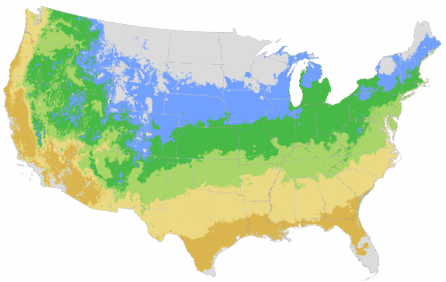

| Description | If you think Miss Ruby has awesome flower color, Miss Molly pushes the color spectrum with blooms boasting rich hues of dark Sangria-red. Flowers appear from July until frost, a real treat for butterflies and hummingbirds! Compact branching form remains neat and tidy in the landscape, and is non-invasive. |
|---|---|
| Bloom Time | Midsummer to late fall |
| Deciduous/Evergreen | Deciduous |
| Special Features | Attracts Butterflies, Attracts Hummingbirds, Attracts Pollinators, Fast Growing, Compact Form |
| Problems/Solutions | Deer Resistant, Rabbit Resistant |
| Growth Rate | Moderate |
| Flower Attributes | Fragrant, Long Bloom Season, Repeat Flowering, Showy Flowers |
| Patent Act | Asexual reproduction of plants protected by the Plant Patent Act is prohibited during the life of the patent. |
| Landscape Use | Container |
| Flower Color | Red |
| Foliage Color | Gray-green |
| Care Instructions | Prefers well-drained, fertile soil. Water deeply, regularly during first growing season to establish extensive root system; reduce frequency once established. Clip spent flowers to promote continued bloom. May die to the ground in colder zones, regrowing from the roots in spring. Elsewhere, prune in late fall or early spring. Feed in spring. |
| History | Developed by Dr. Dennis Werner of NC State University. |
Details
| Description | If you think Miss Ruby has awesome flower color, Miss Molly pushes the color spectrum with blooms boasting rich hues of dark Sangria-red. Flowers appear from July until frost, a real treat for butterflies and hummingbirds! Compact branching form remains neat and tidy in the landscape, and is non-invasive. |
|---|---|
| Bloom Time | Midsummer to late fall |
| Deciduous/Evergreen | Deciduous |
| Special Features | Attracts Butterflies, Attracts Hummingbirds, Attracts Pollinators, Fast Growing, Compact Form |
| Problems/Solutions | Deer Resistant, Rabbit Resistant |
| Growth Rate | Moderate |
| Flower Attributes | Fragrant, Long Bloom Season, Repeat Flowering, Showy Flowers |
| Patent Act | Asexual reproduction of plants protected by the Plant Patent Act is prohibited during the life of the patent. |
Style
| Landscape Use | Container |
|---|---|
| Flower Color | Red |
| Foliage Color | Gray-green |
Care
| Care Instructions | Prefers well-drained, fertile soil. Water deeply, regularly during first growing season to establish extensive root system; reduce frequency once established. Clip spent flowers to promote continued bloom. May die to the ground in colder zones, regrowing from the roots in spring. Elsewhere, prune in late fall or early spring. Feed in spring. |
|---|
History
| History | Developed by Dr. Dennis Werner of NC State University. |
|---|
Frequently asked questions
Does Miss Molly Butterfly Bush produce flowers?
Midsummer to late fall
Is Miss Molly Butterfly Bush evergreen or deciduous?
Miss Molly Butterfly Bush is Deciduous.
What are the special features of Miss Molly Butterfly Bush?
Miss Molly Butterfly Bush is Attracts Butterflies, Attracts Hummingbirds, Attracts Pollinators, Fast Growing, Compact Form.
Is Miss Molly Butterfly Bush resistant to pests or animals?
Deer Resistant, Rabbit Resistant
How fast does Miss Molly Butterfly Bush grow?
Miss Molly Butterfly Bush has a Moderate growth rate.
Where can I use Miss Molly Butterfly Bush in my landscape?
Miss Molly Butterfly Bush is suitable for: Container.
What color are Miss Molly Butterfly Bush flowers?
Miss Molly Butterfly Bush produces Red flowers.
What color is the foliage of Miss Molly Butterfly Bush?
Miss Molly Butterfly Bush has Gray-green foliage.
How do I care for Miss Molly Butterfly Bush?
Prefers well-drained, fertile soil. Water deeply, regularly during first growing season to establish extensive root system; reduce frequency once established. Clip spent flowers to promote continued bloom. May die to the ground in colder zones, regrowing from the roots in spring. Elsewhere, prune in late fall or early spring. Feed in spring.
What is the history of Miss Molly Butterfly Bush?
Developed by Dr. Dennis Werner of NC State University.
Retailers Near You
About Us
We have been pioneers and craftsmen in the art of growing plants for 100 years. Since our founding in Southern California by Harry E. Rosedale, Sr. in 1926, we have been absolutely dedicated and obsessed with quality.
We have been pioneers and craftsmen in the art of growing plants for nearly 100 years. Since our founding in Southern California by Harry E. Rosedale, Sr. in 1926, we have been absolutely dedicated and obsessed with quality.