
You're growing in this Zip Code:
Discover Plants for Your Area


Moor-Dense® Juniper
Juniperus sabina 'Monard'
Pronunciation: ju-NIP-er-us sa-BI-na
SKU #05165
LIGHT:
Full sun
WATER:
Water when top 2 inches of soil is dry.
SIZE:
Moderate growing; reaches 8 to 12 in. tall, spreading 5 to 6 ft. wide.

Retailers Near You
Ready to Grow?
Ship Monrovia plants directly to your door. Browse a curated selection available online.
Shop Now >This Plant's Growing Zones: 3-7
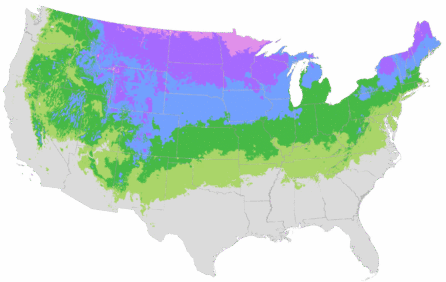
Your USDA Cold Hardiness Zone:
| Description | A more defined, denser form of the valued Broadmoor Juniper, with crisp, bright green foliage. An excellent, low-growing, spreading evergreen for use as a groundcover, in rock gardens, or cascading over walls or planters. |
|---|---|
| Bloom Time | Conifer; prized for foliage. |
| Deciduous/Evergreen | Evergreen |
| Special Features | Easy Care, Waterwise, Heat Loving |
| Problems/Solutions | Coastal Exposure, Deer Resistant, Erosion Control, Rabbit Resistant, Drought Tolerant |
| Growth Rate | Moderate |
| Growth Habit | Spreading |
| Patent Act | Asexual reproduction of plants protected by the Plant Patent Act is prohibited during the life of the patent. |
| Landscape Use | Border, Ground Cover |
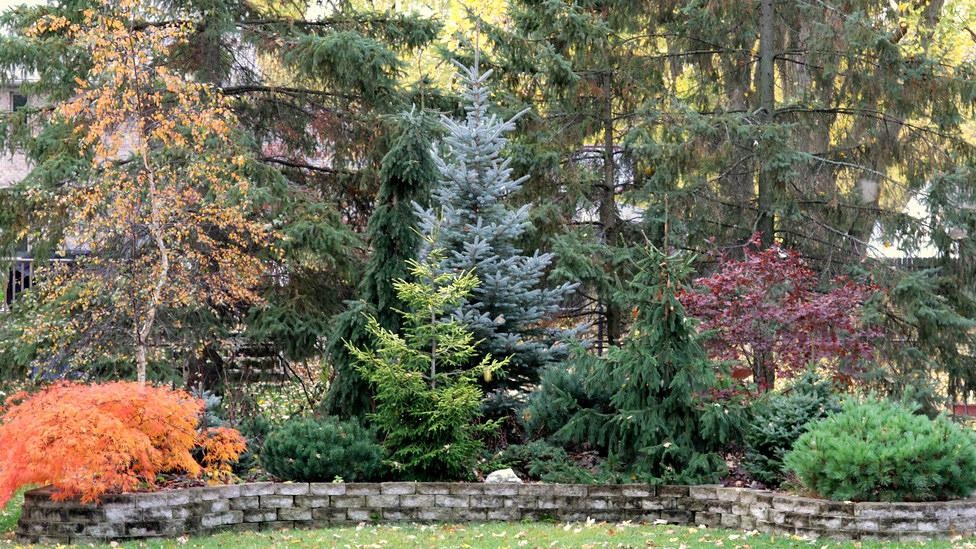
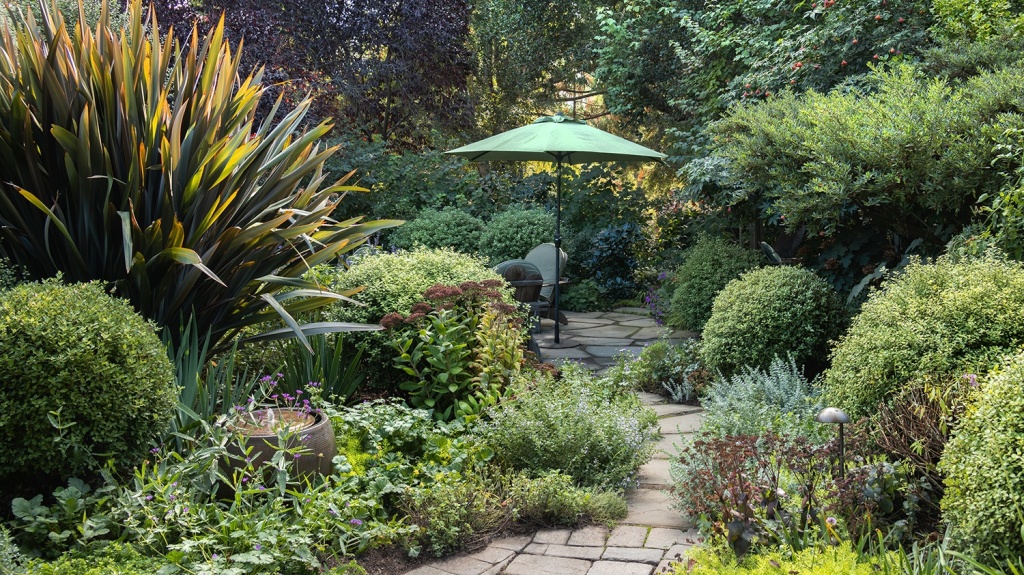
| Design Ideas | Low rich green mounding junipers are the perfect choice for erosion control coverage on cut slopes and natural banks where run-off is a problem. This plant is perfect for nestling landscape boulders or softening the top edge of a masonry retaining wall. Makes an excellent winter structural plant for mixed borders that tend to look too barren in the colder months. Makes a useful problem solver in native and wild gardens when arranged in naturalistic compositions. As with most junipers it is welcome in Japanese gardens either natural or pruned into creative bonsai forms. |
| Foliage Color | Green |
| Companion Plants | Barberry (Berberis); Rose (Rosa); Clematis (Clematis); Catmint (Nepeta); Russian Sage (Perovskia); Maiden Grass (Miscanthus) |
| Care Instructions | Adaptable and easy to grow in most well-drained soils; avoid overly wet conditions. Water deeply, regularly in first growing season to establish root system. Once established, reduce frequency; tolerates moderate drought. Space 5 ft. apart as groundcover; closer for faster coverage. Control weeds with mulch until plants fill in. |
| History | Known as the savin juniper, Juniperus sabina is native to an enormous range of eastern Europe and extends across Asia to Siberia. Although it has been known since the 18th century, it was not cultivated widely until the 20th due toproblems with juniper blight disease. To find resistant species, thousands of J. sabina seedlings were imported by D. Hill Nursery of Dundee, Illinois from a government forest station near Leningrad in 1933. Of these only three we selected for resistance to the blight and constitute the ancensty of most modern cultivars. Among them is Calgary Moor-dense which was introduced by Monrovia in 1987 |
| Lore | The leaves of this juniper are toxic but used in certain home remedy ointments in the Old World. Foliage was repellent to lice and used in rural areas and later oils extracted from the plant were used in traditional insecticides. |
Details
| Description | A more defined, denser form of the valued Broadmoor Juniper, with crisp, bright green foliage. An excellent, low-growing, spreading evergreen for use as a groundcover, in rock gardens, or cascading over walls or planters. |
|---|---|
| Bloom Time | Conifer; prized for foliage. |
| Deciduous/Evergreen | Evergreen |
| Special Features | Easy Care, Waterwise, Heat Loving |
| Problems/Solutions | Coastal Exposure, Deer Resistant, Erosion Control, Rabbit Resistant, Drought Tolerant |
| Growth Rate | Moderate |
| Growth Habit | Spreading |
| Patent Act | Asexual reproduction of plants protected by the Plant Patent Act is prohibited during the life of the patent. |
Style
| Landscape Use | Border, Ground Cover |
|---|---|
| Design Ideas | Low rich green mounding junipers are the perfect choice for erosion control coverage on cut slopes and natural banks where run-off is a problem. This plant is perfect for nestling landscape boulders or softening the top edge of a masonry retaining wall. Makes an excellent winter structural plant for mixed borders that tend to look too barren in the colder months. Makes a useful problem solver in native and wild gardens when arranged in naturalistic compositions. As with most junipers it is welcome in Japanese gardens either natural or pruned into creative bonsai forms. |
| Foliage Color | Green |
| Companion Plants | Barberry (Berberis); Rose (Rosa); Clematis (Clematis); Catmint (Nepeta); Russian Sage (Perovskia); Maiden Grass (Miscanthus) |
Care
| Care Instructions | Adaptable and easy to grow in most well-drained soils; avoid overly wet conditions. Water deeply, regularly in first growing season to establish root system. Once established, reduce frequency; tolerates moderate drought. Space 5 ft. apart as groundcover; closer for faster coverage. Control weeds with mulch until plants fill in. |
|---|
History
| History | Known as the savin juniper, Juniperus sabina is native to an enormous range of eastern Europe and extends across Asia to Siberia. Although it has been known since the 18th century, it was not cultivated widely until the 20th due toproblems with juniper blight disease. To find resistant species, thousands of J. sabina seedlings were imported by D. Hill Nursery of Dundee, Illinois from a government forest station near Leningrad in 1933. Of these only three we selected for resistance to the blight and constitute the ancensty of most modern cultivars. Among them is Calgary Moor-dense which was introduced by Monrovia in 1987 |
|---|---|
| Lore | The leaves of this juniper are toxic but used in certain home remedy ointments in the Old World. Foliage was repellent to lice and used in rural areas and later oils extracted from the plant were used in traditional insecticides. |
Retailers Near You
About Us
We have been pioneers and craftsmen in the art of growing plants for 100 years. Since our founding in Southern California by Harry E. Rosedale, Sr. in 1926, we have been absolutely dedicated and obsessed with quality.
We have been pioneers and craftsmen in the art of growing plants for nearly 100 years. Since our founding in Southern California by Harry E. Rosedale, Sr. in 1926, we have been absolutely dedicated and obsessed with quality.