
You're growing in this Zip Code:
Discover Plants for Your Area

Mt. Hood Shasta Daisy
Leucanthemum x superbum 'Mt. Hood' PPAF
Pronunciation: lew-KANTH-ih-mum soo-PER-bum
SKU #44317
LIGHT:
Full sun
WATER:
Water when top 2 inches of soil is dry.
SIZE:
Foliage reaches 16 in. tall and wide; flowers to 20 in.

Retailers Near You
Ready to Grow?
Ship Monrovia plants directly to your door. Browse a curated selection available online.
Shop Now >This Plant's Growing Zones: 5-9
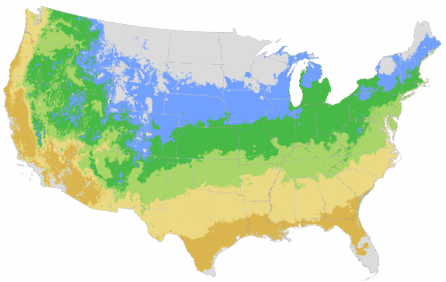
Your USDA Cold Hardiness Zone:
| Description | Tons of large, double flowers cover this mounding plant, with delicate slender white petals around a creamy yellow center. Reblooms in waves that cover the spent flowers of the previous bloom, extending the flowering season while keeping a tidy appearance. A perfect addition to sunny borders, containers, or cutting gardens. An herbaceous perennial. |
|---|---|
| Bloom Time | Summer |
| Deciduous/Evergreen | Herbaceous |
| Special Features | Easy Care, Waterwise, Fast Growing, Compact Form |
| Problems/Solutions | Rabbit Resistant |
| Growth Rate | Moderate |
| Flower Attributes | Flowers for Cutting, Long Bloom Season, Showy Flowers |
| Patent Act | Asexual reproduction of plants protected by the Plant Patent Act is prohibited during the life of the patent. |
| Landscape Use | Border, Container |
| Flower Color | White |
| Foliage Color | Green |
| Companion Plants | Tickseed (Coreopsis); Speedwell (Veronica); Daylily (Hemerocallis); Blanket Flower (Gaillardia); Salvia (Salvia) |
| Care Instructions | Provide average, well-drained soil. Follow a regular watering schedule during the first growing season to establish a deep, extensive root system. Tolerates periodic dry conditions when established. Remove spent flowers to promote continuous bloom. Divide clumps every 2 to 3 years in early spring. |
Details
| Description | Tons of large, double flowers cover this mounding plant, with delicate slender white petals around a creamy yellow center. Reblooms in waves that cover the spent flowers of the previous bloom, extending the flowering season while keeping a tidy appearance. A perfect addition to sunny borders, containers, or cutting gardens. An herbaceous perennial. |
|---|---|
| Bloom Time | Summer |
| Deciduous/Evergreen | Herbaceous |
| Special Features | Easy Care, Waterwise, Fast Growing, Compact Form |
| Problems/Solutions | Rabbit Resistant |
| Growth Rate | Moderate |
| Flower Attributes | Flowers for Cutting, Long Bloom Season, Showy Flowers |
| Patent Act | Asexual reproduction of plants protected by the Plant Patent Act is prohibited during the life of the patent. |
Style
| Landscape Use | Border, Container |
|---|---|
| Flower Color | White |
| Foliage Color | Green |
| Companion Plants | Tickseed (Coreopsis); Speedwell (Veronica); Daylily (Hemerocallis); Blanket Flower (Gaillardia); Salvia (Salvia) |
Care
| Care Instructions | Provide average, well-drained soil. Follow a regular watering schedule during the first growing season to establish a deep, extensive root system. Tolerates periodic dry conditions when established. Remove spent flowers to promote continuous bloom. Divide clumps every 2 to 3 years in early spring. |
|---|
Retailers Near You
About Us
We have been pioneers and craftsmen in the art of growing plants for 100 years. Since our founding in Southern California by Harry E. Rosedale, Sr. in 1926, we have been absolutely dedicated and obsessed with quality.
We have been pioneers and craftsmen in the art of growing plants for nearly 100 years. Since our founding in Southern California by Harry E. Rosedale, Sr. in 1926, we have been absolutely dedicated and obsessed with quality.