
You're growing in this Zip Code:
Change LocationDiscover Plants for Your Area
Night Blooming Jessamine
Cestrum nocturnum
Pronunciation: SES-trum nok-TER-num
SKU #02360
LIGHT:
Full sun, Partial sun
WATER:
Water when top 2 inches of soil is dry.
SIZE:
Moderate growing; reaches 8 to 10 ft. tall, 4 to 6 ft. wide.

Retailers Near You
Ready to Grow?
Ship Monrovia plants directly to your door. Browse a curated selection available online.
Shop Now >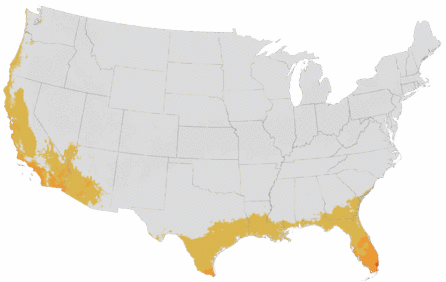
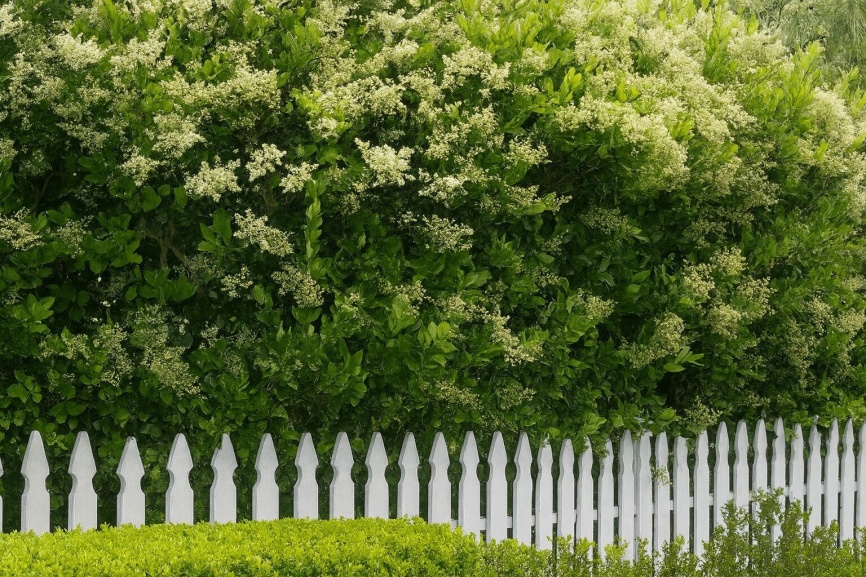
| Description | An intoxicating tropical shrub with dense, glossy green foliage and clusters of small greenish white flowers that are not particularly showy, but have a superbly sweet fragrance on warm summer evenings. Works well as a screen or divider. Place near outdoor living spaces where the fragrance can best be enjoyed. A frost-tender evergreen. |
|---|---|
| Bloom Time | Summer |
| Deciduous/Evergreen | Evergreen |
| Special Features | Attracts Hummingbirds, Waterwise, Attracts Pollinators, Benefits Birds |
| Problems/Solutions | Coastal Exposure |
| Growth Rate | Moderate |
| Growth Habit | Rounded |
| Flower Attributes | Fragrant |
| Landscape Use | Border, Container, Espalier, Hedge, Privacy Screen |
| Design Ideas | This fine tropical shrub is a special night garden plant for hot zone gardens. Makes a fine evergreen natural hedge that works well as a visual screen or background. Plant as a single, specimen to enjoy its fragrance blossoms close up. Adapts well to containers on porch, patio and terrace. Small white ornamental berries will attract birds to the garden. |
| Flower Color | Green |
| Foliage Color | Green |
| Companion Plants | Lantana (Lantana); Mandevilla (Mandevilla); Salvia (Salvia); New Zealand Flax (Phormium); Hibiscus (Hibiscus) |
| Care Instructions | Prefers light, sandy, well-drained soils with room for roots to spread. Shelter from harsh sun exposures in hot summer regions. Water deeply, regularly in first growing season to establish root system. Feed in early spring. Prune annually after bloom period. Protect from frost; may be overwintered indoors in colder zones. |
| History | The genus Cestrum is classified in the nightshade family. It is comprised of about two hundred species from tropical parts of Central and South America. This species is famous as a heavy fragrance night bloomer with unusual green flowers native to the West Indies. |
| Lore | Night blooming tropical plants often lack color because it is useless when there is no sun. Fragrance is what draws pollinators, often moths, bats or other night flying nectar feeders. |
Details
| Description | An intoxicating tropical shrub with dense, glossy green foliage and clusters of small greenish white flowers that are not particularly showy, but have a superbly sweet fragrance on warm summer evenings. Works well as a screen or divider. Place near outdoor living spaces where the fragrance can best be enjoyed. A frost-tender evergreen. |
|---|---|
| Bloom Time | Summer |
| Deciduous/Evergreen | Evergreen |
| Special Features | Attracts Hummingbirds, Waterwise, Attracts Pollinators, Benefits Birds |
| Problems/Solutions | Coastal Exposure |
| Growth Rate | Moderate |
| Growth Habit | Rounded |
| Flower Attributes | Fragrant |
Style
| Landscape Use | Border, Container, Espalier, Hedge, Privacy Screen |
|---|---|
| Design Ideas | This fine tropical shrub is a special night garden plant for hot zone gardens. Makes a fine evergreen natural hedge that works well as a visual screen or background. Plant as a single, specimen to enjoy its fragrance blossoms close up. Adapts well to containers on porch, patio and terrace. Small white ornamental berries will attract birds to the garden. |
| Flower Color | Green |
| Foliage Color | Green |
| Companion Plants | Lantana (Lantana); Mandevilla (Mandevilla); Salvia (Salvia); New Zealand Flax (Phormium); Hibiscus (Hibiscus) |
Care
| Care Instructions | Prefers light, sandy, well-drained soils with room for roots to spread. Shelter from harsh sun exposures in hot summer regions. Water deeply, regularly in first growing season to establish root system. Feed in early spring. Prune annually after bloom period. Protect from frost; may be overwintered indoors in colder zones. |
|---|
History
| History | The genus Cestrum is classified in the nightshade family. It is comprised of about two hundred species from tropical parts of Central and South America. This species is famous as a heavy fragrance night bloomer with unusual green flowers native to the West Indies. |
|---|---|
| Lore | Night blooming tropical plants often lack color because it is useless when there is no sun. Fragrance is what draws pollinators, often moths, bats or other night flying nectar feeders. |
Frequently asked questions
Does Night Blooming Jessamine produce flowers?
Summer
Is Night Blooming Jessamine evergreen or deciduous?
Night Blooming Jessamine is Evergreen.
What are the special features of Night Blooming Jessamine?
Night Blooming Jessamine is Attracts Hummingbirds, Waterwise, Attracts Pollinators, Benefits Birds.
Is Night Blooming Jessamine resistant to pests or animals?
Coastal Exposure
How fast does Night Blooming Jessamine grow?
Night Blooming Jessamine has a Moderate growth rate.
What is the growth habit of Night Blooming Jessamine?
Night Blooming Jessamine grows in an Rounded habit.
Where can I use Night Blooming Jessamine in my landscape?
Night Blooming Jessamine is suitable for: Border, Container, Espalier, Hedge, Privacy Screen.
How can I use Night Blooming Jessamine in my garden design?
This fine tropical shrub is a special night garden plant for hot zone gardens. Makes a fine evergreen natural hedge that works well as a visual screen or background. Plant as a single, specimen to enjoy its fragrance blossoms close up. Adapts well to containers on porch, patio and terrace. Small white ornamental berries will attract birds to the garden.
What color are Night Blooming Jessamine flowers?
Night Blooming Jessamine produces Green flowers.
What color is the foliage of Night Blooming Jessamine?
Night Blooming Jessamine has Green foliage.
What plants grow well with Night Blooming Jessamine?
Good companion plants for Night Blooming Jessamine include: Lantana (Lantana); Mandevilla (Mandevilla); Salvia (Salvia); New Zealand Flax (Phormium); Hibiscus (Hibiscus).
How do I care for Night Blooming Jessamine?
Prefers light, sandy, well-drained soils with room for roots to spread. Shelter from harsh sun exposures in hot summer regions. Water deeply, regularly in first growing season to establish root system. Feed in early spring. Prune annually after bloom period. Protect from frost; may be overwintered indoors in colder zones.
What is the history of Night Blooming Jessamine?
The genus Cestrum is classified in the nightshade family. It is comprised of about two hundred species from tropical parts of Central and South America. This species is famous as a heavy fragrance night bloomer with unusual green flowers native to the West Indies.
Retailers Near You
About Us
We have been pioneers and craftsmen in the art of growing plants for 100 years. Since our founding in Southern California by Harry E. Rosedale, Sr. in 1926, we have been absolutely dedicated and obsessed with quality.
We have been pioneers and craftsmen in the art of growing plants for nearly 100 years. Since our founding in Southern California by Harry E. Rosedale, Sr. in 1926, we have been absolutely dedicated and obsessed with quality.