
You're growing in this Zip Code:
Discover Plants for Your Area
Northern Lights Tufted Hair Grass
Deschampsia cespitosa 'Northern Lights'
Pronunciation: deh-SHAMP-see-uh kess-pi-TOH-suh
SKU #00539
LIGHT:
Filtered sun
WATER:
Keep soil moist, but not soggy.
SIZE:
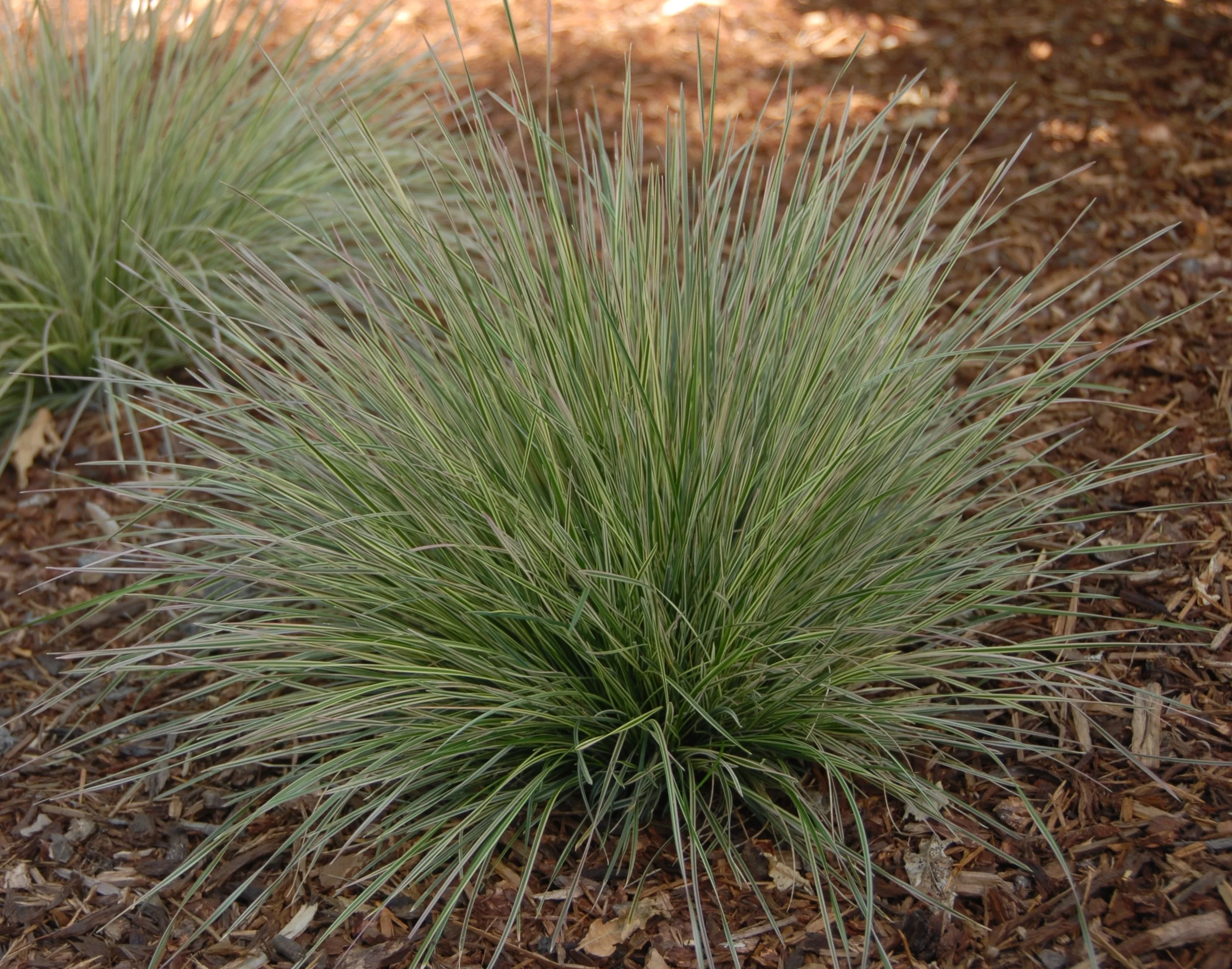
Moderate growing; reaches only 12 in. tall and wide.

Home Delivery Price
?
- Arrives in 3 to 7 days
- Free shipping on orders over $149
- Perfect Start Promise
Select Quantity
Retailers Near You
This Plant's Growing Zones: 4-9
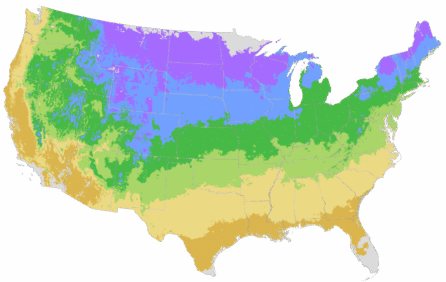
Your USDA Cold Hardiness Zone:
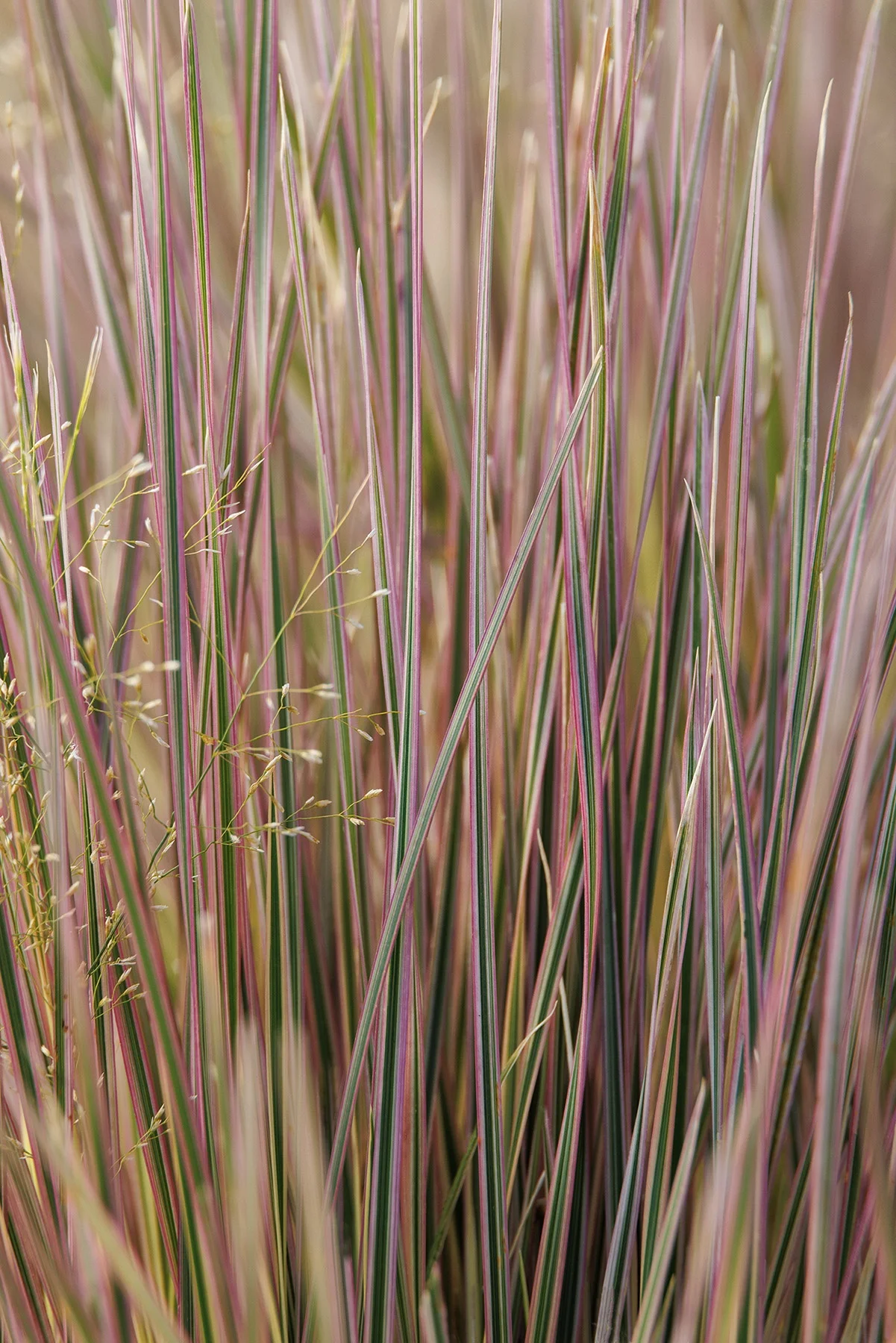
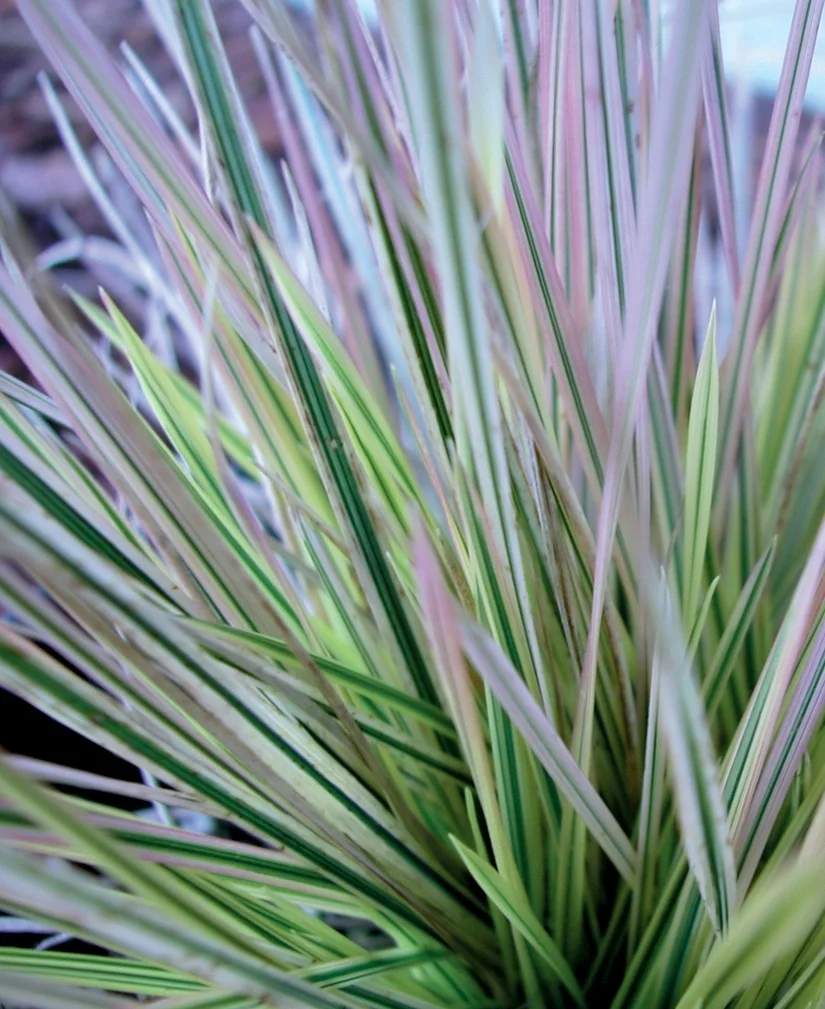
| Description | Highly variegated green and creamy white leaves have a rosy pink blush when emerging in early spring and again as the weather cools. Buff-colored flowers provide additional interest. Excellent for use as a small landscape accent, or plant en masse as a highly textural groundcover. |
|---|---|
| Bloom Time | Summer |
| Deciduous/Evergreen | Herbaceous |
| Special Features | Dramatic Foliage Color, Easy Care, Benefits Birds |
| Problems/Solutions | Coastal Exposure, Deer Resistant, Erosion Control |
| Growth Rate | Moderate |
| Growth Habit | Clumping |
| Landscape Use | Ground Cover |
| Design Ideas | This little grass is perfect for diminutive perennials of same stature for a lovely low patchwork of color in beds and borders. Small enough to be a super textural accent in container gardens of mixed foliage and flowers. Naturalistic grasses are perfect for a dry stream bed or in rock gardens poking out between outcroppings. In the modern garden they are excellent for geometric, perfectly spaced grids or in dense lines along pavement edge. Use to create open space in native or habitat gardens needing meadow-like setting that's walkable. |
| Flower Color | Green |
| Foliage Color | Variegated |
| Companion Plants | Blanket Flower (Gaillardia); Tickseed (Coreopsis); Salvia (Salvia); Lavender (Lavandula); Coneflower (Echinacea) |
| Care Instructions | Thrives in evenly moist, slightly acidic soil. Water deeply, regularly during first growing season to establish an extensive root system. In colder northern regions, apply a thick layer of mulch to protect root zone in winter. Leave foliage in place until early spring, then prune by two-thirds in spring. May be divided in spring or early fall. |
| History | Northern Lights was discovered in a seed flat by Harlan Hamernick's Bluebird Nursery of Clarkson Nebraska. It was named by Steve Schmidt of Oregon. It is derived from a grass species of wide distribution in temperate zones of Europe, Asia and North America. With such a vast range there is considerable variation within the species to produce such a short variety. It prefers moist habitat such as bogs, fens and wet meadows. |
| Lore | This plant is also known as tussock grass. It was an old Medieval practice to uproot a couple of these grasses known as "tussocks" to bring into cold English churches to provide soft kneelers and insulate the knees from the frozen stone floors. |
Details
| Description | Highly variegated green and creamy white leaves have a rosy pink blush when emerging in early spring and again as the weather cools. Buff-colored flowers provide additional interest. Excellent for use as a small landscape accent, or plant en masse as a highly textural groundcover. |
|---|---|
| Bloom Time | Summer |
| Deciduous/Evergreen | Herbaceous |
| Special Features | Dramatic Foliage Color, Easy Care, Benefits Birds |
| Problems/Solutions | Coastal Exposure, Deer Resistant, Erosion Control |
| Growth Rate | Moderate |
| Growth Habit | Clumping |
Style
| Landscape Use | Ground Cover |
|---|---|
| Design Ideas | This little grass is perfect for diminutive perennials of same stature for a lovely low patchwork of color in beds and borders. Small enough to be a super textural accent in container gardens of mixed foliage and flowers. Naturalistic grasses are perfect for a dry stream bed or in rock gardens poking out between outcroppings. In the modern garden they are excellent for geometric, perfectly spaced grids or in dense lines along pavement edge. Use to create open space in native or habitat gardens needing meadow-like setting that's walkable. |
| Flower Color | Green |
| Foliage Color | Variegated |
| Companion Plants | Blanket Flower (Gaillardia); Tickseed (Coreopsis); Salvia (Salvia); Lavender (Lavandula); Coneflower (Echinacea) |
Care
| Care Instructions | Thrives in evenly moist, slightly acidic soil. Water deeply, regularly during first growing season to establish an extensive root system. In colder northern regions, apply a thick layer of mulch to protect root zone in winter. Leave foliage in place until early spring, then prune by two-thirds in spring. May be divided in spring or early fall. |
|---|
History
| History | Northern Lights was discovered in a seed flat by Harlan Hamernick's Bluebird Nursery of Clarkson Nebraska. It was named by Steve Schmidt of Oregon. It is derived from a grass species of wide distribution in temperate zones of Europe, Asia and North America. With such a vast range there is considerable variation within the species to produce such a short variety. It prefers moist habitat such as bogs, fens and wet meadows. |
|---|---|
| Lore | This plant is also known as tussock grass. It was an old Medieval practice to uproot a couple of these grasses known as "tussocks" to bring into cold English churches to provide soft kneelers and insulate the knees from the frozen stone floors. |
Retailers Near You
About Us
We have been pioneers and craftsmen in the art of growing plants for 100 years. Since our founding in Southern California by Harry E. Rosedale, Sr. in 1926, we have been absolutely dedicated and obsessed with quality.
We have been pioneers and craftsmen in the art of growing plants for nearly 100 years. Since our founding in Southern California by Harry E. Rosedale, Sr. in 1926, we have been absolutely dedicated and obsessed with quality.