
You're growing in this Zip Code:
Discover Plants for Your Area
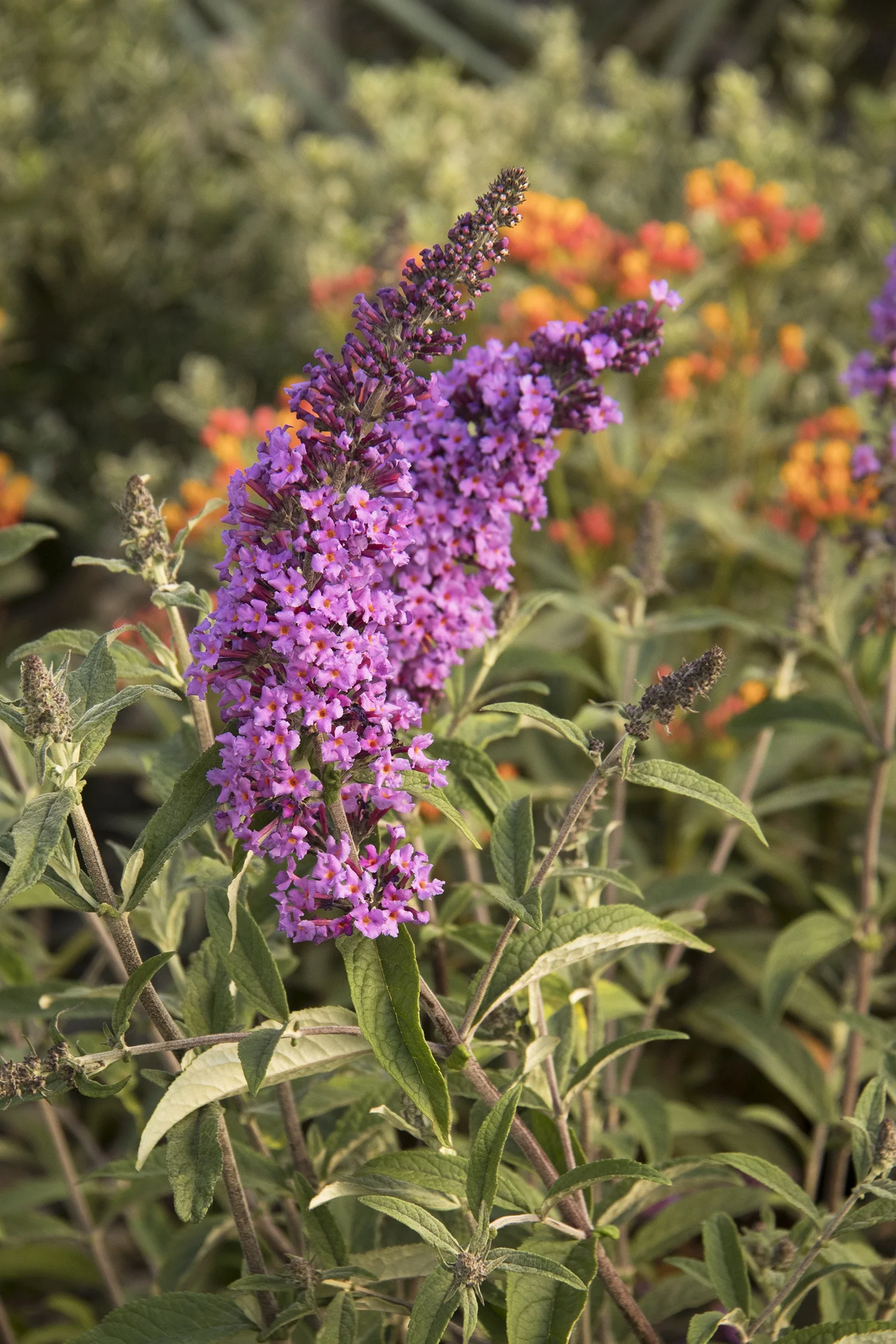
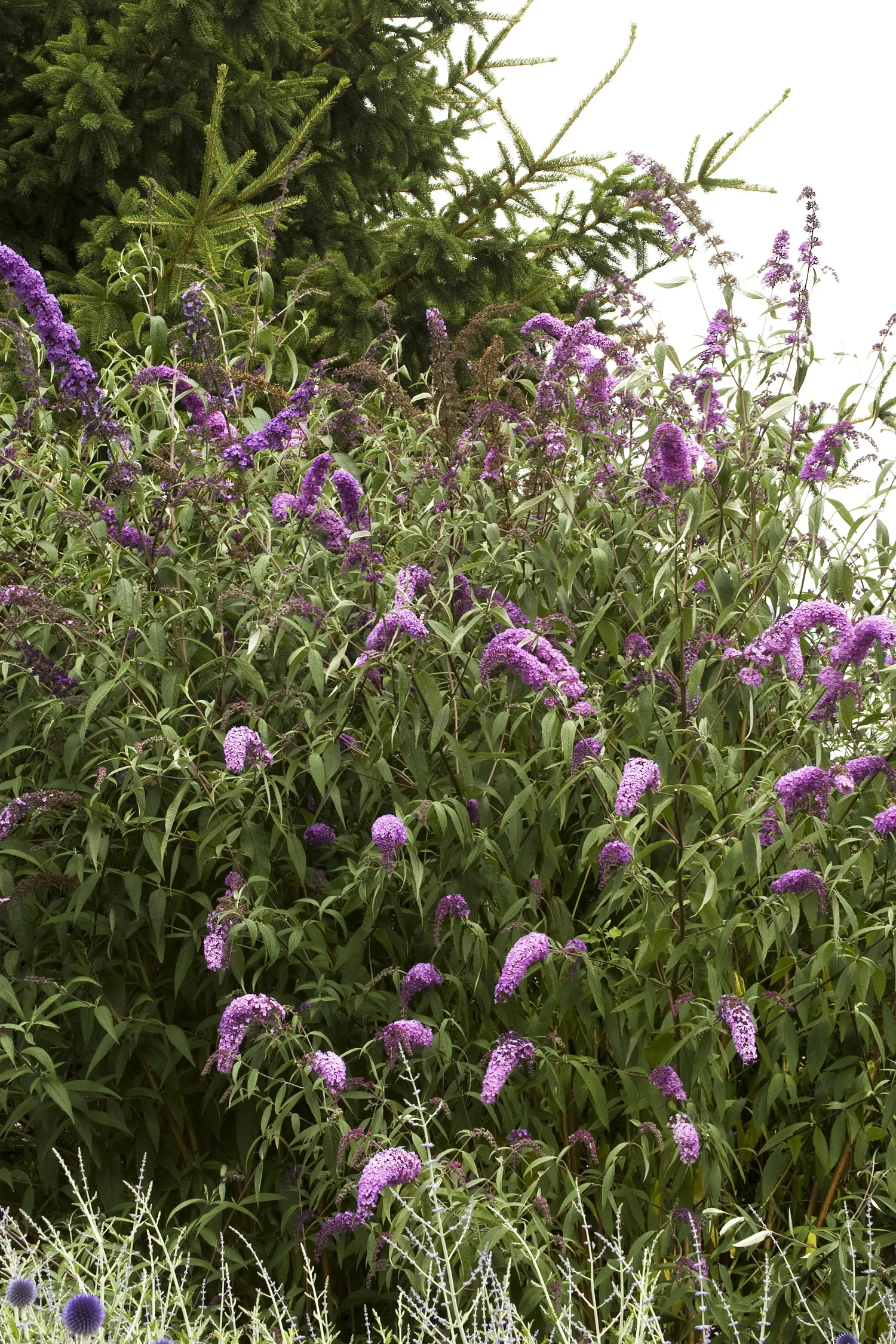
Petite Plum® Dwarf Butterfly Bush
Buddleja davidii subsp. nanhoensis 'Monum'
Pronunciation: BUD-lee-uh da-VID-ee-eye nan-ho-EN-sis
SKU #01376
LIGHT:
Full sun, Partial sun
WATER:
Water when top 3 inches of soil is dry.
SIZE:
Quick, compact growth; reaches 5 ft. tall and wide.

Retailers Near You
Ready to Grow?
Ship Monrovia plants directly to your door. Browse a curated selection available online.
Shop Now >This Plant's Growing Zones: 5-9
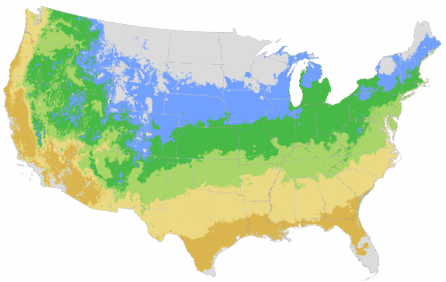
Your USDA Cold Hardiness Zone:
| Description | A spectacular compact shrub with dense, cone-shaped clusters of lightly fragrant, plum-purple blooms accented by soft, gray-green foliage. Use in mass plantings to create a colorful landscape accent or to provide colorful screening during the warm summer months. Deciduous. |
|---|---|
| Bloom Time | Midsummer through fall |
| Deciduous/Evergreen | Deciduous |
| Special Features | Easy Care, Waterwise, Attracts Pollinators, Fast Growing, Compact Form |
| Problems/Solutions | Deer Resistant, Rabbit Resistant |
| Growth Rate | Fast |
| Growth Habit | Vase-Shaped |
| Flower Attributes | Flowers for Cutting, Fragrant, Long Bloom Season, Showy Flowers |
| Landscape Use | Border, Container, Privacy Screen |
| Design Ideas | Dwarf butterfly bush is perfect for bringing butterflies into the garden and up close to the house. Use in sideyards where flowers are held up at window level. An deal choice for breaking up long runs of fence. Particularly attractive along picket fences and lattice where airy, open character is a good fit. Fast growth is a super filler for newly constructed home sites. An essential in the wildlife and habitat garden. A casual cottage and country garden performer with the bonus of butterflies at bloom time for family fun. |
| Flower Color | Purple |
| Foliage Color | Gray-green |
| Companion Plants | Tickseed (Coreopsis); Bee Balm (Monarda); Coneflower (Echinacea); Butterfly Weed (Asclepias); Salvia (Salvia); Black-Eyed Susan (Rudbeckia) |
| Care Instructions | Prefers well-drained, fertile soil. Water deeply, regularly during first growing season to establish extensive root system; reduce frequency once established. Clip spent flowers to promote continued bloom. May die to the ground in colder zones, regrowing from the roots in spring. Elsewhere, prune in late fall or early spring. Feed in spring. |
| History | Buddleja davidii is a species native to China where it grows in thickets on river banks. It was first discovered by Jesuit missionaries, the first westerners to enter that region. This species was named after one missionary botanist, Armand David who sent samples back to Jardin des Plantes in Paris. These remained a French plant until the end of the 19th century when specimens were sent to Kew where they became parent material for 20th century breeding. This plant is one of the dwarf nanohensis group developed by Monrovia Nursery. |
| Lore | Butterfly bushes are the most important butterfly lure plants. Adults of all species flock to the blossoms to feed on the nectar. |
Details
| Description | A spectacular compact shrub with dense, cone-shaped clusters of lightly fragrant, plum-purple blooms accented by soft, gray-green foliage. Use in mass plantings to create a colorful landscape accent or to provide colorful screening during the warm summer months. Deciduous. |
|---|---|
| Bloom Time | Midsummer through fall |
| Deciduous/Evergreen | Deciduous |
| Special Features | Easy Care, Waterwise, Attracts Pollinators, Fast Growing, Compact Form |
| Problems/Solutions | Deer Resistant, Rabbit Resistant |
| Growth Rate | Fast |
| Growth Habit | Vase-Shaped |
| Flower Attributes | Flowers for Cutting, Fragrant, Long Bloom Season, Showy Flowers |
Style
| Landscape Use | Border, Container, Privacy Screen |
|---|---|
| Design Ideas | Dwarf butterfly bush is perfect for bringing butterflies into the garden and up close to the house. Use in sideyards where flowers are held up at window level. An deal choice for breaking up long runs of fence. Particularly attractive along picket fences and lattice where airy, open character is a good fit. Fast growth is a super filler for newly constructed home sites. An essential in the wildlife and habitat garden. A casual cottage and country garden performer with the bonus of butterflies at bloom time for family fun. |
| Flower Color | Purple |
| Foliage Color | Gray-green |
| Companion Plants | Tickseed (Coreopsis); Bee Balm (Monarda); Coneflower (Echinacea); Butterfly Weed (Asclepias); Salvia (Salvia); Black-Eyed Susan (Rudbeckia) |
Care
| Care Instructions | Prefers well-drained, fertile soil. Water deeply, regularly during first growing season to establish extensive root system; reduce frequency once established. Clip spent flowers to promote continued bloom. May die to the ground in colder zones, regrowing from the roots in spring. Elsewhere, prune in late fall or early spring. Feed in spring. |
|---|
History
| History | Buddleja davidii is a species native to China where it grows in thickets on river banks. It was first discovered by Jesuit missionaries, the first westerners to enter that region. This species was named after one missionary botanist, Armand David who sent samples back to Jardin des Plantes in Paris. These remained a French plant until the end of the 19th century when specimens were sent to Kew where they became parent material for 20th century breeding. This plant is one of the dwarf nanohensis group developed by Monrovia Nursery. |
|---|---|
| Lore | Butterfly bushes are the most important butterfly lure plants. Adults of all species flock to the blossoms to feed on the nectar. |
Retailers Near You
About Us
We have been pioneers and craftsmen in the art of growing plants for 100 years. Since our founding in Southern California by Harry E. Rosedale, Sr. in 1926, we have been absolutely dedicated and obsessed with quality.
We have been pioneers and craftsmen in the art of growing plants for nearly 100 years. Since our founding in Southern California by Harry E. Rosedale, Sr. in 1926, we have been absolutely dedicated and obsessed with quality.