
You're growing in this Zip Code:
Discover Plants for Your Area
Petite Snow™ Crape Myrtle
Lagerstroemia indica 'Monow'
Pronunciation: la-ger-STRE-mee-a IN-dih-kuh
SKU #05580
LIGHT:
Full sun
WATER:
Water deeply when soil is dry.
SIZE:
Quickly reaches 5 ft. tall, 4 ft. wide.

Retailers Near You
Ready to Grow?
Ship Monrovia plants directly to your door. Browse a curated selection available online.
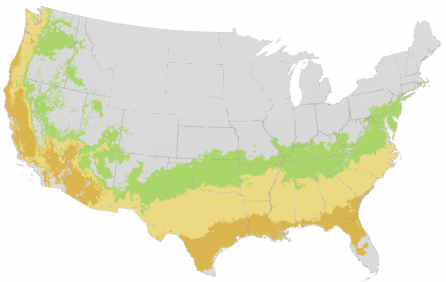
Shop Now >This Plant's Growing Zones: 7-9
Your USDA Cold Hardiness Zone:
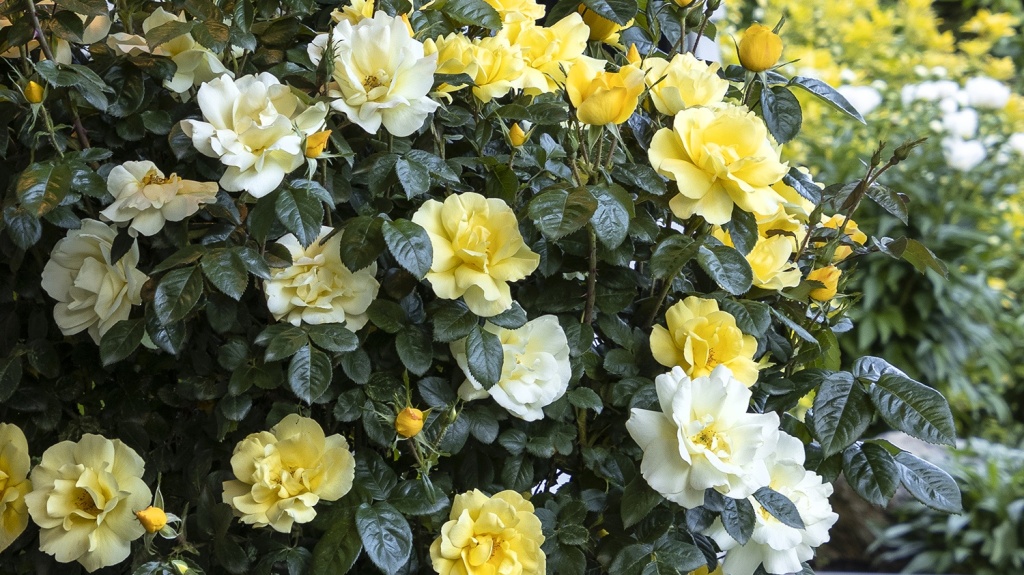
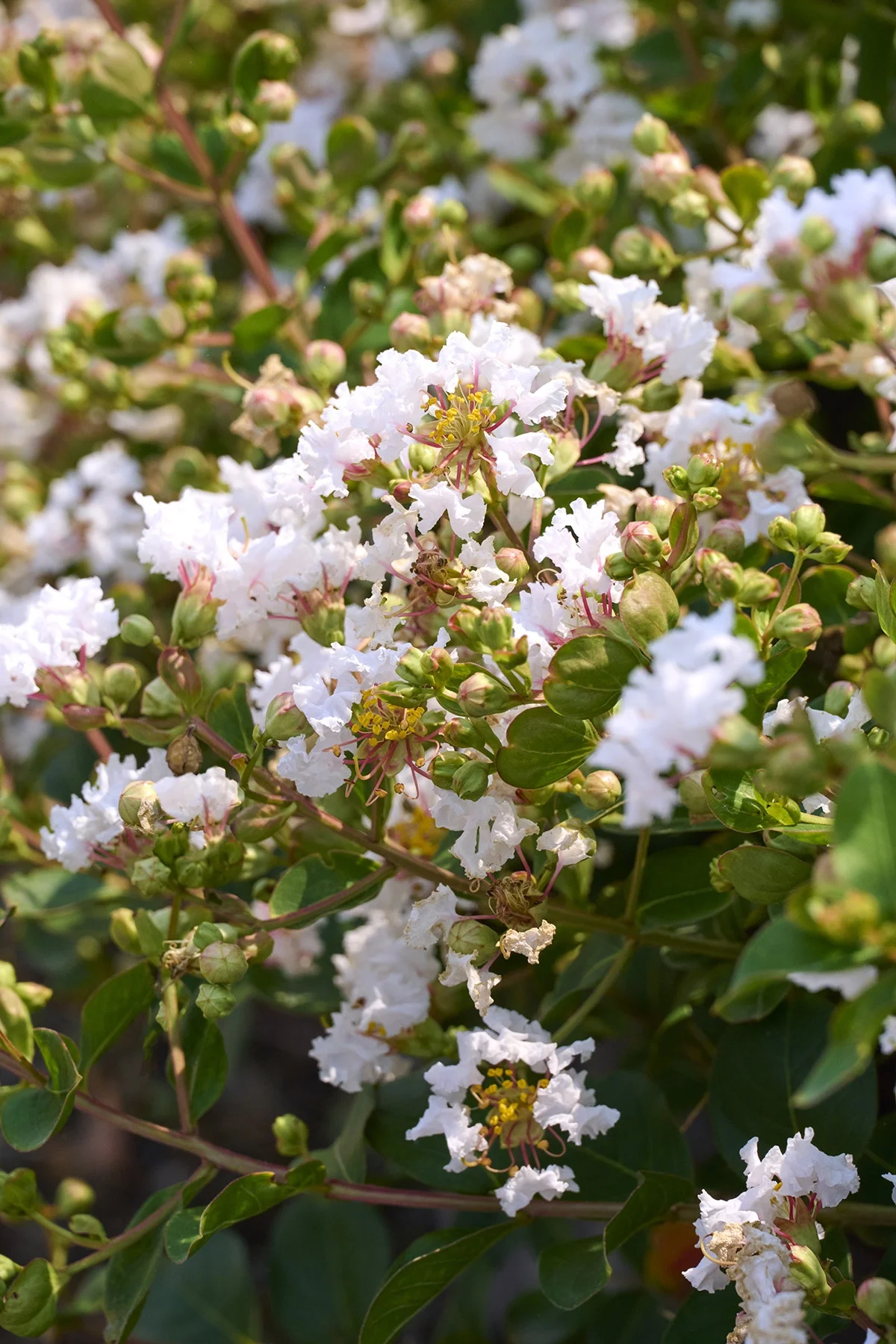
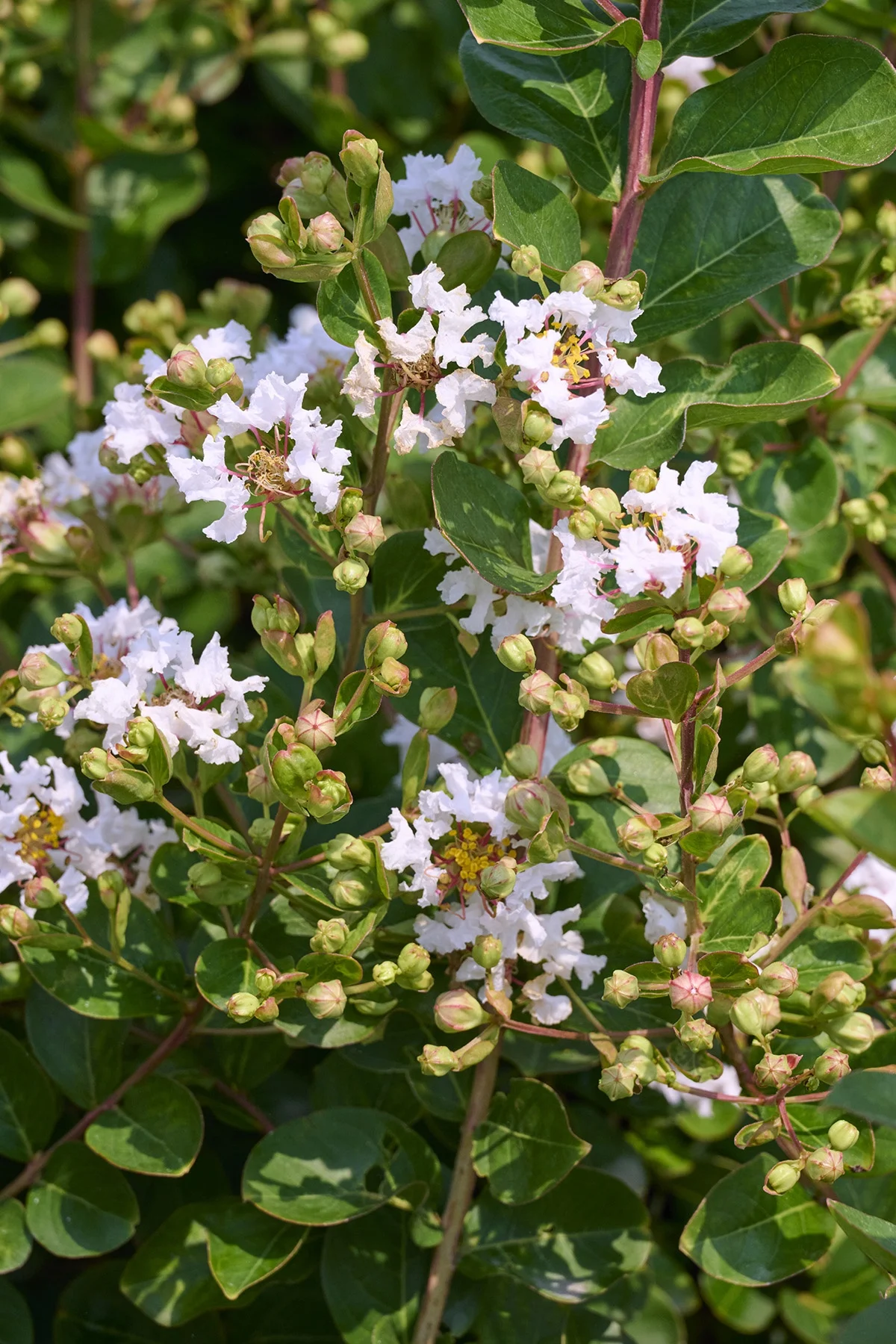
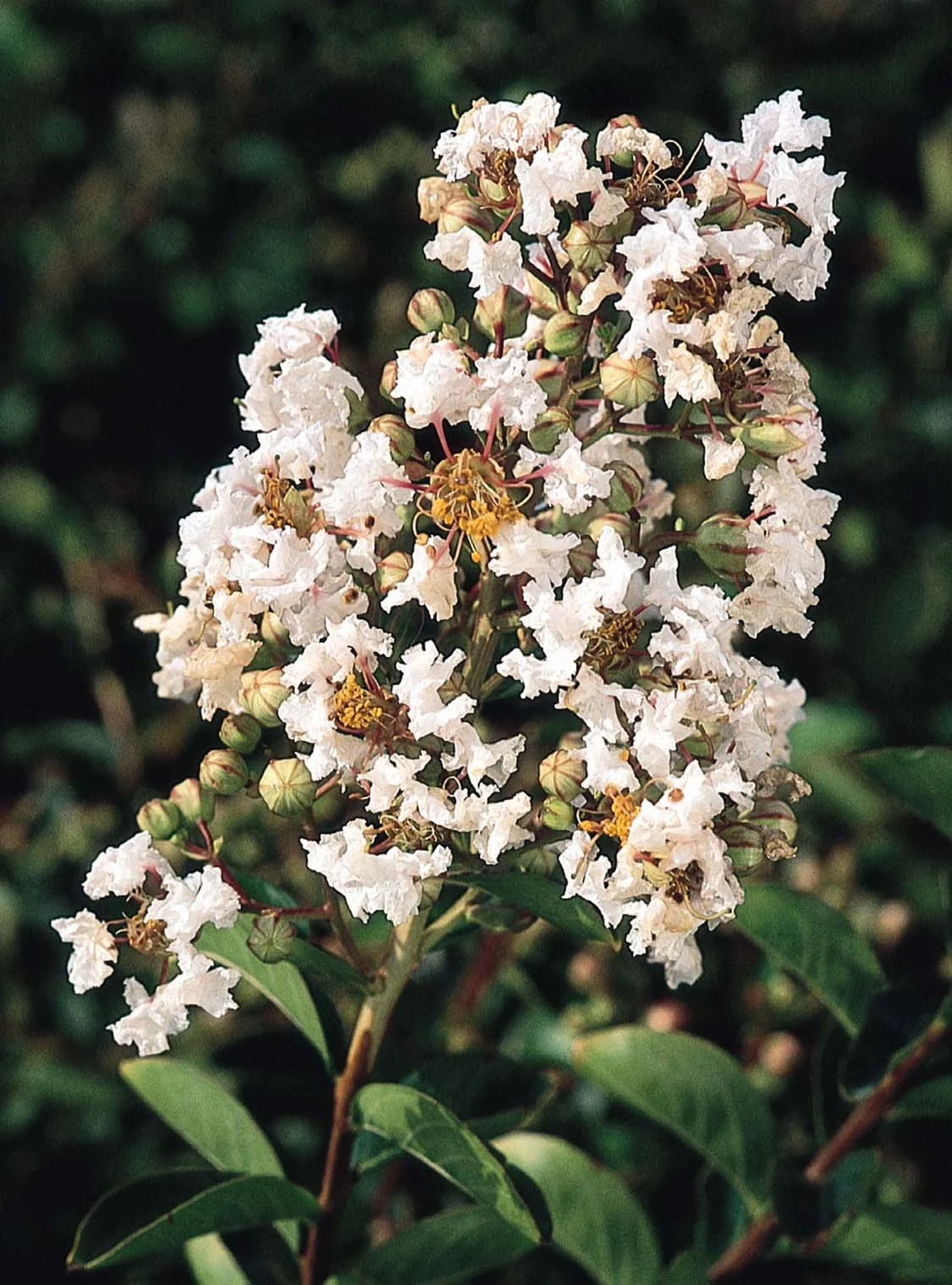
| Description | A dwarf crape myrtle with a small, shrubby form and upright branching topped by a profusion of snowy white crepe-like flower clusters in the heat of summer. A very useful size for smaller landscapes. Excellent massed in single-color plantings or used as an individual accent. Adapts well to containers. Deciduous. |
|---|---|
| Bloom Time | Summer |
| Deciduous/Evergreen | Deciduous |
| Special Features | Attractive Bark, Easy Care, Fall Color, Waterwise, Non-toxic to Cats and Dogs, Attracts Pollinators, Heat Loving, Fast Growing, Compact Form |
| Problems/Solutions | Tolerates Urban Pollution |
| Growth Rate | Fast |
| Growth Habit | Upright |
| Flower Attributes | Showy Flowers |
| Landscape Use | Border, Container, Hedge, Privacy Screen |
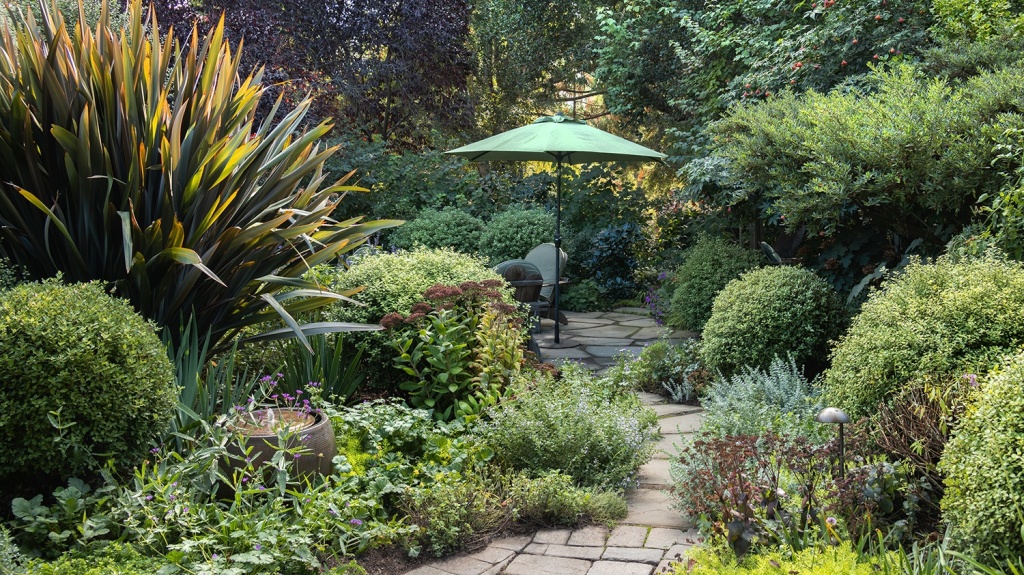
| Design Ideas | The white blossoms will help cool a hot part of the garden when massed there. Mix with other colors of crape myrtle in a line bordering a path or walkway. Decorate a bank by a pool with these colorful shrubs that bloom during the hottest time of year. |
| Flower Color | White |
| Foliage Color | Green |
| Foliage Fall Color | Yellow |
| Companion Plants | Indian Hawthorn (Rhaphiolepis); Lilyturf (Liriope); False Heather (Cuphea); Agapanthus (Agapanthus); Daylily (Hemerocallis) |
| Care Instructions | Thrives in average, well-drained soils. Water deeply, regularly during first growing season to establish extensive root system. Feed before new growth begins in spring. Thin young trees in late winter to early spring, leaving 3 to 7 main trunks or canopy branches. Remove emerging suckers from base of older trees. |
| History | This dwarf form was developed by Monrovia and introduced in 1962. It's parent is a tree native to a large region from China to Australia. It first arrived in England in 1759, but did not catch on until Andre Michaux grew them in his Charleston, South Carolina nursery around 1786. It was spread to many early American historic sites such as Mount Vernon and Montechello. |
| Lore | Linnaeus named the genus for his friend, Magnus Lagerstroem. |
Details
| Description | A dwarf crape myrtle with a small, shrubby form and upright branching topped by a profusion of snowy white crepe-like flower clusters in the heat of summer. A very useful size for smaller landscapes. Excellent massed in single-color plantings or used as an individual accent. Adapts well to containers. Deciduous. |
|---|---|
| Bloom Time | Summer |
| Deciduous/Evergreen | Deciduous |
| Special Features | Attractive Bark, Easy Care, Fall Color, Waterwise, Non-toxic to Cats and Dogs, Attracts Pollinators, Heat Loving, Fast Growing, Compact Form |
| Problems/Solutions | Tolerates Urban Pollution |
| Growth Rate | Fast |
| Growth Habit | Upright |
| Flower Attributes | Showy Flowers |
Style
| Landscape Use | Border, Container, Hedge, Privacy Screen |
|---|---|
| Design Ideas | The white blossoms will help cool a hot part of the garden when massed there. Mix with other colors of crape myrtle in a line bordering a path or walkway. Decorate a bank by a pool with these colorful shrubs that bloom during the hottest time of year. |
| Flower Color | White |
| Foliage Color | Green |
| Foliage Fall Color | Yellow |
| Companion Plants | Indian Hawthorn (Rhaphiolepis); Lilyturf (Liriope); False Heather (Cuphea); Agapanthus (Agapanthus); Daylily (Hemerocallis) |
Care
| Care Instructions | Thrives in average, well-drained soils. Water deeply, regularly during first growing season to establish extensive root system. Feed before new growth begins in spring. Thin young trees in late winter to early spring, leaving 3 to 7 main trunks or canopy branches. Remove emerging suckers from base of older trees. |
|---|
History
| History | This dwarf form was developed by Monrovia and introduced in 1962. It's parent is a tree native to a large region from China to Australia. It first arrived in England in 1759, but did not catch on until Andre Michaux grew them in his Charleston, South Carolina nursery around 1786. It was spread to many early American historic sites such as Mount Vernon and Montechello. |
|---|---|
| Lore | Linnaeus named the genus for his friend, Magnus Lagerstroem. |
Retailers Near You
About Us
We have been pioneers and craftsmen in the art of growing plants for 100 years. Since our founding in Southern California by Harry E. Rosedale, Sr. in 1926, we have been absolutely dedicated and obsessed with quality.
We have been pioneers and craftsmen in the art of growing plants for nearly 100 years. Since our founding in Southern California by Harry E. Rosedale, Sr. in 1926, we have been absolutely dedicated and obsessed with quality.