
You're growing in this Zip Code:
Change LocationDiscover Plants for Your Area
Pin Oak
Quercus palustris
Pronunciation: KWER-kus pa-LUS-tris
SKU #06945
LIGHT:
Full sun
WATER:
Water when top 2 inches of soil is dry.
SIZE:
Quickly reaches 40 to 60 ft. tall, 35 to 40 ft. wide.

Retailers Near You
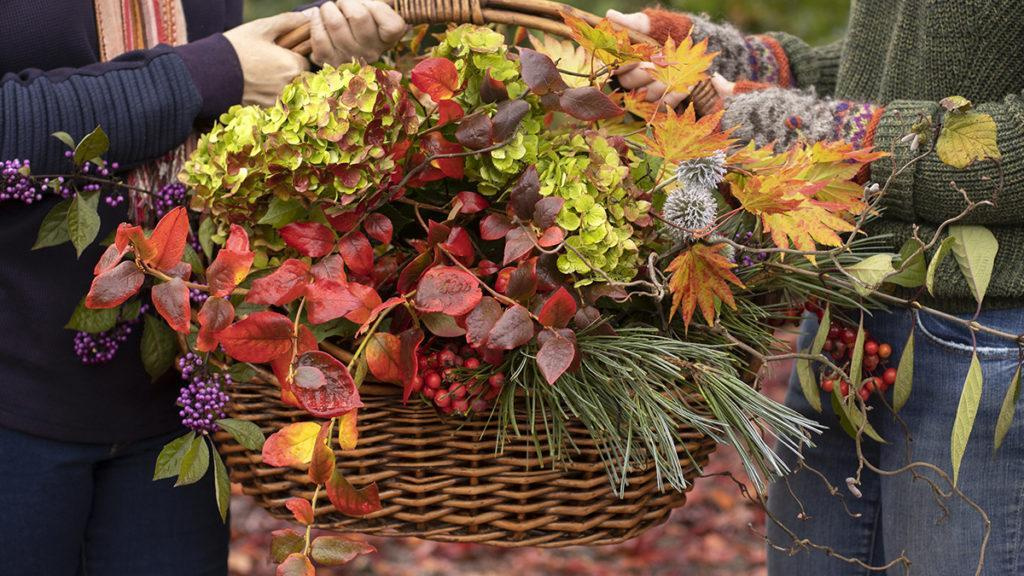

| Description | Large, pyramidal form, the foliage displays scarlet to russet fall color. Deciduous, but much of the foliage will persist through winter. Intriguing brownish gray bark. An excellent lawn specimen. |
|---|---|
| Bloom Time | Inconspicuous; prized for foliage. |
| Deciduous/Evergreen | Deciduous |
| Special Features | Fall Color, Waterwise, North American Native, Fast Growing, Benefits Birds |
| Problems/Solutions | Deer Resistant, Rabbit Resistant |
| Growth Rate | Fast |
| Growth Habit | Pyramidal |
| Design Ideas | This oak makes a stunning street or park tree. It's well suited to residential landscaping as a specimen, grove or shade producer in ground or lawn. Uniformity of growth is perfect to flank a vehicular entry or line the driveway. Use to anchor ends of large homes into the ground or separate them from neighbors. |
| Foliage Color | Green |
| Foliage Fall Color | Red |
| Companion Plants | Burning Bush (Euonymus); Snowberry (Symphoricarpos); Spirea (Spiraea); Magnolia (Magnolia); Serviceberry (Amelanchier) |
| Care Instructions | Prefers deep, acidic, loamy, well-drained soils with consistent moisture, but highly adaptable to poorly drained and soggy soils. Water deeply, regularly during first few growing seasons to establish extensive root system; once established, reduce frequency. Feed in early spring. Prune to removed dead or damaged branches in winter. |
| History | The genus for oaks is steeped in prehistory of Europe and well known to Linnaeus who named it Quercus. This is from the fact that the ancient tree-worshipping tribes often queried very large old oak trees believed to contain powerful spirits that could foretell the future. They are concentrated in the Northern Hemisphere and number about 600 species. This species is native to North America over a range from south east Canada west to Wisconsin and south to Arkansas. It was named by German botanist Otto von Muenchhausen, 1716-1774, and introduced into European horticulture about 1800 where it proves itself as a valuable boulevard and park tree. |
| Lore | Many of the oldest British and European oaks venerated by the Druids where cut down for ship timbers during the periods of the Spanish and English Empires. |
Details
| Description | Large, pyramidal form, the foliage displays scarlet to russet fall color. Deciduous, but much of the foliage will persist through winter. Intriguing brownish gray bark. An excellent lawn specimen. |
|---|---|
| Bloom Time | Inconspicuous; prized for foliage. |
| Deciduous/Evergreen | Deciduous |
| Special Features | Fall Color, Waterwise, North American Native, Fast Growing, Benefits Birds |
| Problems/Solutions | Deer Resistant, Rabbit Resistant |
| Growth Rate | Fast |
| Growth Habit | Pyramidal |
Style
| Design Ideas | This oak makes a stunning street or park tree. It's well suited to residential landscaping as a specimen, grove or shade producer in ground or lawn. Uniformity of growth is perfect to flank a vehicular entry or line the driveway. Use to anchor ends of large homes into the ground or separate them from neighbors. |
|---|---|
| Foliage Color | Green |
| Foliage Fall Color | Red |
| Companion Plants | Burning Bush (Euonymus); Snowberry (Symphoricarpos); Spirea (Spiraea); Magnolia (Magnolia); Serviceberry (Amelanchier) |
Care
| Care Instructions | Prefers deep, acidic, loamy, well-drained soils with consistent moisture, but highly adaptable to poorly drained and soggy soils. Water deeply, regularly during first few growing seasons to establish extensive root system; once established, reduce frequency. Feed in early spring. Prune to removed dead or damaged branches in winter. |
|---|
History
| History | The genus for oaks is steeped in prehistory of Europe and well known to Linnaeus who named it Quercus. This is from the fact that the ancient tree-worshipping tribes often queried very large old oak trees believed to contain powerful spirits that could foretell the future. They are concentrated in the Northern Hemisphere and number about 600 species. This species is native to North America over a range from south east Canada west to Wisconsin and south to Arkansas. It was named by German botanist Otto von Muenchhausen, 1716-1774, and introduced into European horticulture about 1800 where it proves itself as a valuable boulevard and park tree. |
|---|---|
| Lore | Many of the oldest British and European oaks venerated by the Druids where cut down for ship timbers during the periods of the Spanish and English Empires. |
Retailers Near You
About Us
We have been pioneers and craftsmen in the art of growing plants for 100 years. Since our founding in Southern California by Harry E. Rosedale, Sr. in 1926, we have been absolutely dedicated and obsessed with quality.
We have been pioneers and craftsmen in the art of growing plants for nearly 100 years. Since our founding in Southern California by Harry E. Rosedale, Sr. in 1926, we have been absolutely dedicated and obsessed with quality.