
You're growing in this Zip Code:
Discover Plants for Your Area


Pink Candy Hebe
Hebe hybrid 'Tulpink' PP #25,954
Pronunciation: HEE-bee
SKU #42662
LIGHT:
Full sun, Partial sun
WATER:
Water when top 2 inches of soil is dry.
SIZE:
Moderate growing shrub; reaches 15 to 18 in. tall, 18 to 24 in. wide.

Retailers Near You
Ready to Grow?
Ship Monrovia plants directly to your door. Browse a curated selection available online.
Shop Now >This Plant's Growing Zones: 7-11
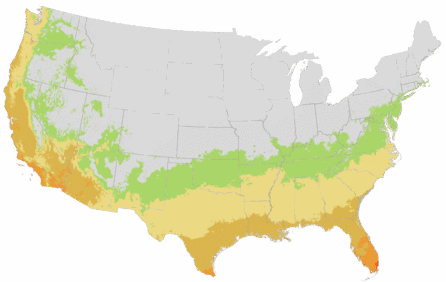
Your USDA Cold Hardiness Zone:
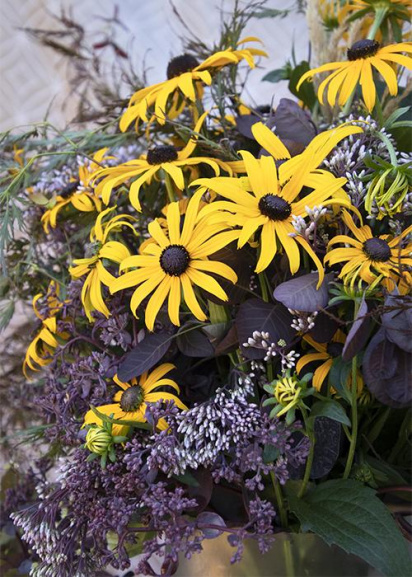
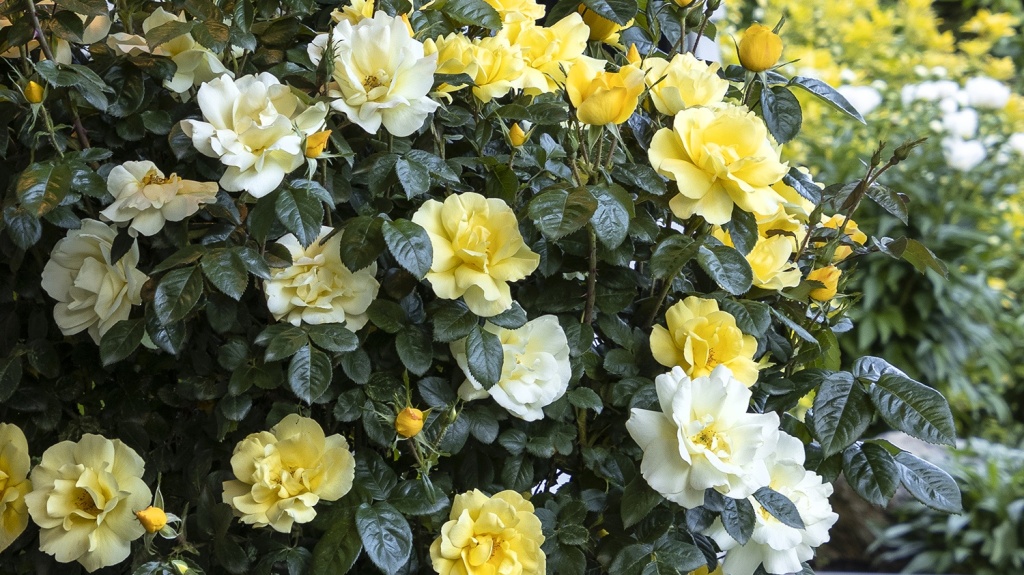
| Description | This rounded, dense, compact variety offers better heat resistance and glossy dark green leaves with thin crimson midribs and margins. Foliage develops a soft bronze-red winter color. Long-lasting flower spikes with a delicious pink blush are up to 4 inches long. Great for a container specimen, a rock garden accent, or a low border plant. Evergreen. |
|---|---|
| Bloom Time | Summer |
| Deciduous/Evergreen | Evergreen |
| Special Features | Attracts Butterflies, Easy Care, Improved Pest and Disease Resistance, Attracts Pollinators, Compact Form |
| Problems/Solutions | Coastal Exposure, Road Salt Tolerant |
| Growth Rate | Moderate |
| Flower Attributes | Flowers for Cutting, Showy Flowers |
| Patent Act | Asexual reproduction of plants protected by the Plant Patent Act is prohibited during the life of the patent. |
| Landscape Use | Border, Container, Hedge, Edging, Small Spaces |
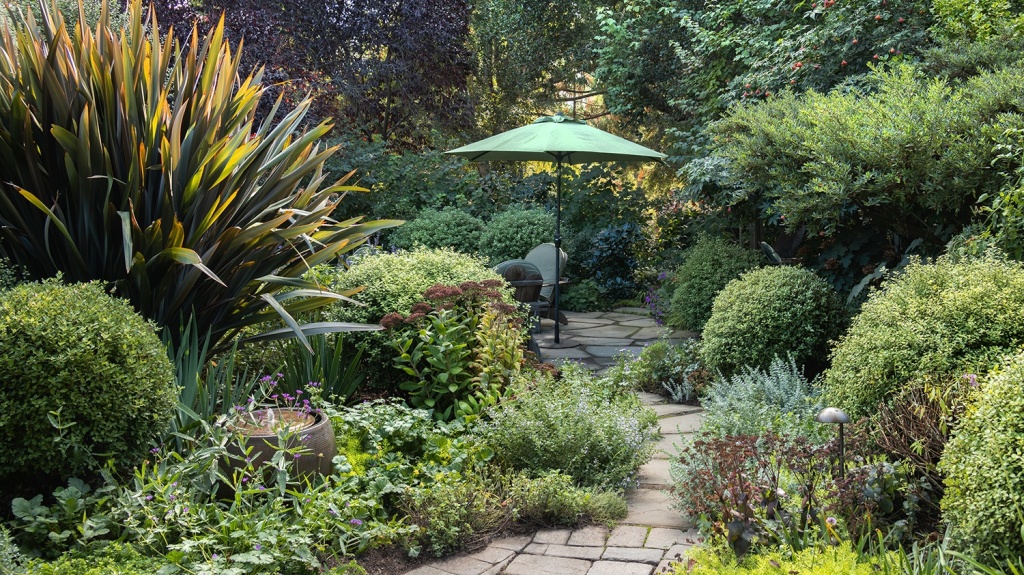
| Design Ideas | Hebes are excellent front yard foundation plants that look great in every season. Use in quantity to create low naturalistic hedges or lightly clip for semi-formal appearance. Use in masses evenly spaced for uniform, low maintenance ground coverage. Superior color for mixed beds and borders that need glossy foliage for in between flowering seasons. A fine choice for small urban gardens where beauty of this shrub will be most appreciated. Equally suited for pots and troughs as well as square boxes in modernistic compositions. |
| Flower Color | Pink |
| Foliage Color | Variegated |
| Companion Plants | Russian Sage (Perovskia); Artemisia (White Sage); False Heather (Cuphea): Coral Bells (Heuchera); Lilyturf (Liriope); New Zealand Flax (Phormium) |
| Care Instructions | Provide average, acidic, loose, well-drained soil; does not tolerate heavy, wet soils. Thrives in cool coastal areas; shelter from harsh sun exposures in hotter regions. Water deeply, regularly in first growing season to establish root system. Feed in early spring. For a semi-formal appearance, prune annually after flowering. |
Details
| Description | This rounded, dense, compact variety offers better heat resistance and glossy dark green leaves with thin crimson midribs and margins. Foliage develops a soft bronze-red winter color. Long-lasting flower spikes with a delicious pink blush are up to 4 inches long. Great for a container specimen, a rock garden accent, or a low border plant. Evergreen. |
|---|---|
| Bloom Time | Summer |
| Deciduous/Evergreen | Evergreen |
| Special Features | Attracts Butterflies, Easy Care, Improved Pest and Disease Resistance, Attracts Pollinators, Compact Form |
| Problems/Solutions | Coastal Exposure, Road Salt Tolerant |
| Growth Rate | Moderate |
| Flower Attributes | Flowers for Cutting, Showy Flowers |
| Patent Act | Asexual reproduction of plants protected by the Plant Patent Act is prohibited during the life of the patent. |
Style
| Landscape Use | Border, Container, Hedge, Edging, Small Spaces |
|---|---|
| Design Ideas | Hebes are excellent front yard foundation plants that look great in every season. Use in quantity to create low naturalistic hedges or lightly clip for semi-formal appearance. Use in masses evenly spaced for uniform, low maintenance ground coverage. Superior color for mixed beds and borders that need glossy foliage for in between flowering seasons. A fine choice for small urban gardens where beauty of this shrub will be most appreciated. Equally suited for pots and troughs as well as square boxes in modernistic compositions. |
| Flower Color | Pink |
| Foliage Color | Variegated |
| Companion Plants | Russian Sage (Perovskia); Artemisia (White Sage); False Heather (Cuphea): Coral Bells (Heuchera); Lilyturf (Liriope); New Zealand Flax (Phormium) |
Care
| Care Instructions | Provide average, acidic, loose, well-drained soil; does not tolerate heavy, wet soils. Thrives in cool coastal areas; shelter from harsh sun exposures in hotter regions. Water deeply, regularly in first growing season to establish root system. Feed in early spring. For a semi-formal appearance, prune annually after flowering. |
|---|
Retailers Near You
About Us
We have been pioneers and craftsmen in the art of growing plants for 100 years. Since our founding in Southern California by Harry E. Rosedale, Sr. in 1926, we have been absolutely dedicated and obsessed with quality.
We have been pioneers and craftsmen in the art of growing plants for nearly 100 years. Since our founding in Southern California by Harry E. Rosedale, Sr. in 1926, we have been absolutely dedicated and obsessed with quality.