
You're growing in this Zip Code:
Change LocationDiscover Plants for Your Area
Pink Crush New England Aster
Aster novae-angliae 'Pink Crush' PPAF
Pronunciation: ASS-ter NO-vee ANG-lee-ay
SKU #45142
LIGHT:
Full sun
WATER:
Keep soil moist, but not soggy.
SIZE:
Reaches 2 ft. tall, 3 ft. wide.

Retailers Near You
Ready to Grow?
Ship Monrovia plants directly to your door. Browse a curated selection available online.
Shop Now >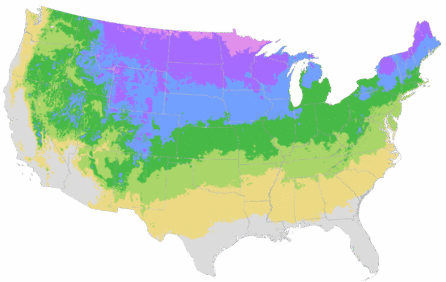

| Description | Deep magenta flowers are densely packed on a nicely rounded mound. A fantastic way to keep your garden blooming beyond summer, providing continuing bright color and a nectar source for butterflies. Perfect as the middle layer of a cottage-style perennial garden bed. Herbaceous perennial. |
|---|---|
| Bloom Time | Late summer through fall |
| Special Features | Attracts Butterflies, Easy Care, Non-toxic to Cats and Dogs, Attracts Pollinators, Compact Form |
| Problems/Solutions | Deer Resistant, Rabbit Resistant |
| Growth Rate | Moderate |
| Growth Habit | Mounding |
| Flower Attributes | Flowers for Cutting, Long Bloom Season, Showy Flowers |
| Patent Act | Asexual reproduction of plants protected by the Plant Patent Act is prohibited during the life of the patent. |
| Landscape Use | Border |
| Flower Color | Purplish-pink |
| Foliage Color | Green |
| Companion Plants | Blanket Flower (Gaillardia); Black-Eyed Susan (Rudbeckia); Blue Fescue (Festuca) ; Shasta Daisy (Chrysanthemum); Coneflower (Echinacea) |
| Care Instructions | Thrives in moist, fertile, slightly acidic, well-drained soils but highly adaptable. Prefers cool summer climates. Water deeply, regularly during the first growing season to establish an extensive root system. For a neat, tidy appearance, remove old foliage before new leaves emerge. Divide clumps every 2 to 3 years in early spring. |
Details
| Description | Deep magenta flowers are densely packed on a nicely rounded mound. A fantastic way to keep your garden blooming beyond summer, providing continuing bright color and a nectar source for butterflies. Perfect as the middle layer of a cottage-style perennial garden bed. Herbaceous perennial. |
|---|---|
| Bloom Time | Late summer through fall |
| Special Features | Attracts Butterflies, Easy Care, Non-toxic to Cats and Dogs, Attracts Pollinators, Compact Form |
| Problems/Solutions | Deer Resistant, Rabbit Resistant |
| Growth Rate | Moderate |
| Growth Habit | Mounding |
| Flower Attributes | Flowers for Cutting, Long Bloom Season, Showy Flowers |
| Patent Act | Asexual reproduction of plants protected by the Plant Patent Act is prohibited during the life of the patent. |
Style
| Landscape Use | Border |
|---|---|
| Flower Color | Purplish-pink |
| Foliage Color | Green |
| Companion Plants | Blanket Flower (Gaillardia); Black-Eyed Susan (Rudbeckia); Blue Fescue (Festuca) ; Shasta Daisy (Chrysanthemum); Coneflower (Echinacea) |
Care
| Care Instructions | Thrives in moist, fertile, slightly acidic, well-drained soils but highly adaptable. Prefers cool summer climates. Water deeply, regularly during the first growing season to establish an extensive root system. For a neat, tidy appearance, remove old foliage before new leaves emerge. Divide clumps every 2 to 3 years in early spring. |
|---|
Frequently asked questions
Does Pink Crush New England Aster produce flowers?
Late summer through fall
What are the special features of Pink Crush New England Aster?
Pink Crush New England Aster is Attracts Butterflies, Easy Care, Non-toxic to Cats and Dogs, Attracts Pollinators, Compact Form.
Is Pink Crush New England Aster resistant to pests or animals?
Deer Resistant, Rabbit Resistant
How fast does Pink Crush New England Aster grow?
Pink Crush New England Aster has a Moderate growth rate.
What is the growth habit of Pink Crush New England Aster?
Pink Crush New England Aster grows in an Mounding habit.
Where can I use Pink Crush New England Aster in my landscape?
Pink Crush New England Aster is suitable for: Border.
What color are Pink Crush New England Aster flowers?
Pink Crush New England Aster produces Purplish-pink flowers.
What color is the foliage of Pink Crush New England Aster?
Pink Crush New England Aster has Green foliage.
What plants grow well with Pink Crush New England Aster?
Good companion plants for Pink Crush New England Aster include: Blanket Flower (Gaillardia); Black-Eyed Susan (Rudbeckia); Blue Fescue (Festuca) ; Shasta Daisy (Chrysanthemum); Coneflower (Echinacea).
How do I care for Pink Crush New England Aster?
Thrives in moist, fertile, slightly acidic, well-drained soils but highly adaptable. Prefers cool summer climates. Water deeply, regularly during the first growing season to establish an extensive root system. For a neat, tidy appearance, remove old foliage before new leaves emerge. Divide clumps every 2 to 3 years in early spring.
Retailers Near You
About Us
We have been pioneers and craftsmen in the art of growing plants for 100 years. Since our founding in Southern California by Harry E. Rosedale, Sr. in 1926, we have been absolutely dedicated and obsessed with quality.
We have been pioneers and craftsmen in the art of growing plants for nearly 100 years. Since our founding in Southern California by Harry E. Rosedale, Sr. in 1926, we have been absolutely dedicated and obsessed with quality.