
You're growing in this Zip Code:
Discover Plants for Your Area


Silver Whispers® Swiss Stone Pine
Pinus cembra 'Klein'
Pronunciation: PY-nus SIM-bruh
SKU #06542
LIGHT:
Full sun
WATER:
Water when top 2 inches of soil is dry.
SIZE:
Slow growing; reaches 10 to 12 ft. tall, 6 ft. wide.

Retailers Near You
Ready to Grow?
Ship Monrovia plants directly to your door. Browse a curated selection available online.
Shop Now >This Plant's Growing Zones: 3-7
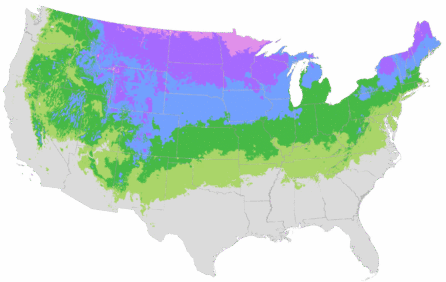
Your USDA Cold Hardiness Zone: 5
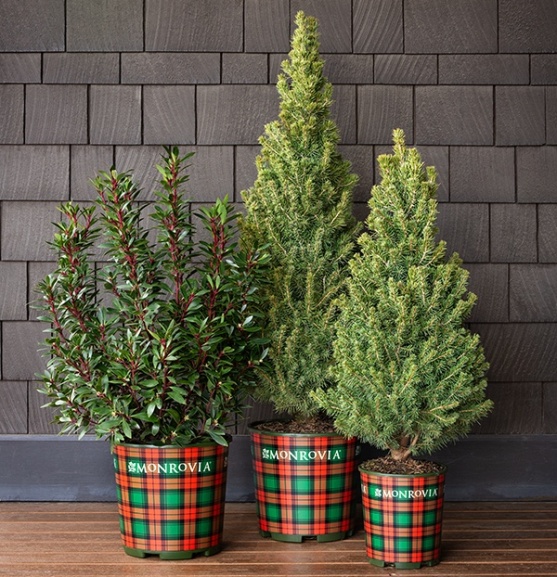
| Description | A near perfect compact, very hardy evergreen for spatially challenged landscapes. Exceptional form is densely packed with white-striped dark green needles that produce a silvery effect. Accented with 3-inch long decorative violet-blue cones. |
|---|---|
| Bloom Time | Conifer; prized for foliage and showy cones. |
| Deciduous/Evergreen | Evergreen |
| Special Features | Dramatic Foliage Color, Easy Care, Showy Fruit, Waterwise, Compact Form, Benefits Birds |
| Problems/Solutions | Deer Resistant, Rabbit Resistant |
| Growth Rate | Slow |
| Growth Habit | Columnar |
| Landscape Use | Border, Privacy Screen, Windbreak |
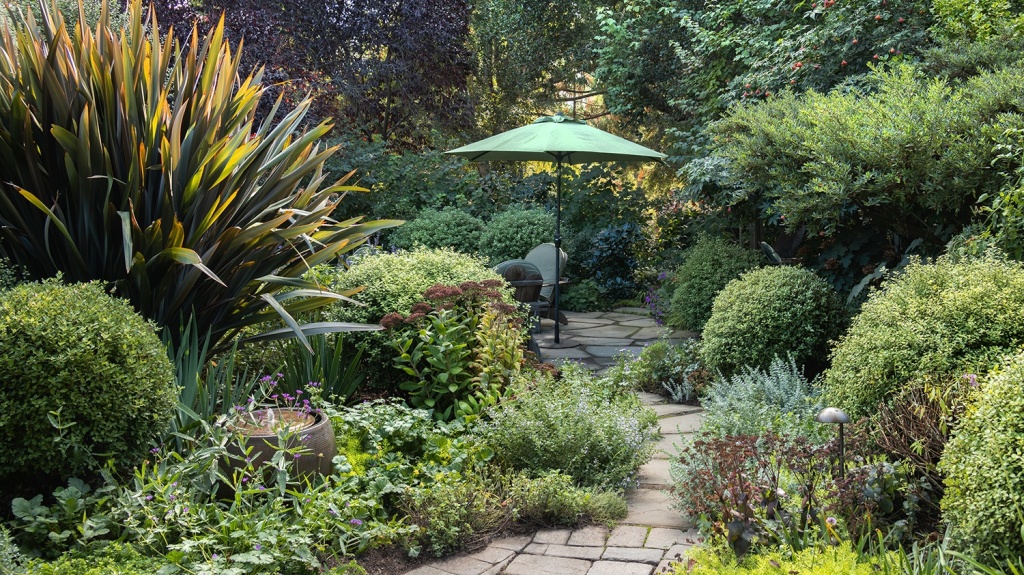
| Design Ideas | A beautiful formal pine for evergreen conifer gardens designed for winter beauty. Excellent choice for smaller spaces between overly-close buildings. Sized for planting areas around front lawns of city or suburban homes. Excellent specimen for Christmas outdoor lighting. Makes a good foundation plant to soften rigid building edges or corners where fences connect. Super focal point used against darker backgrounds for close or long range view. Integrate into shrub border for more variety of form in every season. |
| Foliage Color | Green |
| Companion Plants | Japanese Maple (Acer); Rhododendron (Rhododendron); Lily of the Valley Shrub (Pieris); Winter Daphne (Daphne); Astilbe (Astilbe) |
| Care Instructions | Provide enriched, slightly acidic, loamy, well-drained soil. Water deeply and regularly during the first growing season to establish an extensive root system; once established, reduce frequency. Feed with a general purpose fertilizer before new growth begins in spring. Prune only to remove old, damaged or dead branches. |
| History | The genus Pinus contains over 100 species varying considerably in size and habit from around the world. It is dominant in the Swiss Alps where this parent species is native, with its species cembra from the Italian common name for these trees. It was introduced into cultivation around 1746 and has proven successful in Canada since introduction there in 1875. This new form was developed by Theodore Klein of Klein's Nursery in Crestwood, Kentucky and introduced around 2000.. |
| Lore | Pine trees are among the most widely harvested timber species in the world, used for construction, furniture making and hundreds of other commercial applications. The pitch of these trees is also a source of pine tar and turpentine used less commonly today than it was in the 19th century. |
Details
| Description | A near perfect compact, very hardy evergreen for spatially challenged landscapes. Exceptional form is densely packed with white-striped dark green needles that produce a silvery effect. Accented with 3-inch long decorative violet-blue cones. |
|---|---|
| Bloom Time | Conifer; prized for foliage and showy cones. |
| Deciduous/Evergreen | Evergreen |
| Special Features | Dramatic Foliage Color, Easy Care, Showy Fruit, Waterwise, Compact Form, Benefits Birds |
| Problems/Solutions | Deer Resistant, Rabbit Resistant |
| Growth Rate | Slow |
| Growth Habit | Columnar |
Style
| Landscape Use | Border, Privacy Screen, Windbreak |
|---|---|
| Design Ideas | A beautiful formal pine for evergreen conifer gardens designed for winter beauty. Excellent choice for smaller spaces between overly-close buildings. Sized for planting areas around front lawns of city or suburban homes. Excellent specimen for Christmas outdoor lighting. Makes a good foundation plant to soften rigid building edges or corners where fences connect. Super focal point used against darker backgrounds for close or long range view. Integrate into shrub border for more variety of form in every season. |
| Foliage Color | Green |
| Companion Plants | Japanese Maple (Acer); Rhododendron (Rhododendron); Lily of the Valley Shrub (Pieris); Winter Daphne (Daphne); Astilbe (Astilbe) |
Care
| Care Instructions | Provide enriched, slightly acidic, loamy, well-drained soil. Water deeply and regularly during the first growing season to establish an extensive root system; once established, reduce frequency. Feed with a general purpose fertilizer before new growth begins in spring. Prune only to remove old, damaged or dead branches. |
|---|
History
| History | The genus Pinus contains over 100 species varying considerably in size and habit from around the world. It is dominant in the Swiss Alps where this parent species is native, with its species cembra from the Italian common name for these trees. It was introduced into cultivation around 1746 and has proven successful in Canada since introduction there in 1875. This new form was developed by Theodore Klein of Klein's Nursery in Crestwood, Kentucky and introduced around 2000.. |
|---|---|
| Lore | Pine trees are among the most widely harvested timber species in the world, used for construction, furniture making and hundreds of other commercial applications. The pitch of these trees is also a source of pine tar and turpentine used less commonly today than it was in the 19th century. |
Retailers Near You
About Us
We have been pioneers and craftsmen in the art of growing plants for 100 years. Since our founding in Southern California by Harry E. Rosedale, Sr. in 1926, we have been absolutely dedicated and obsessed with quality.
We have been pioneers and craftsmen in the art of growing plants for nearly 100 years. Since our founding in Southern California by Harry E. Rosedale, Sr. in 1926, we have been absolutely dedicated and obsessed with quality.