
You're growing in this Zip Code:
Change LocationDiscover Plants for Your Area
Double Weeping Rosebud Cherry
Prunus pendula 'Pleno-rosea'
Pronunciation: PROO-nus PEN-dew-luh
SKU #06695
LIGHT:
Full sun
WATER:
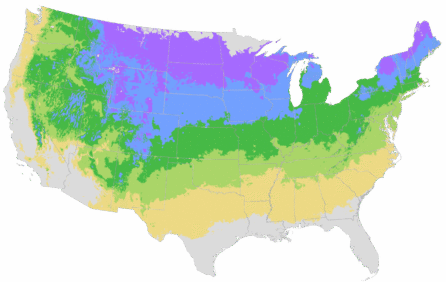
Water when top 2 inches of soil is dry.
SIZE:
Slowly reaches 15 to 20 ft. tall and wide.

Retailers Near You
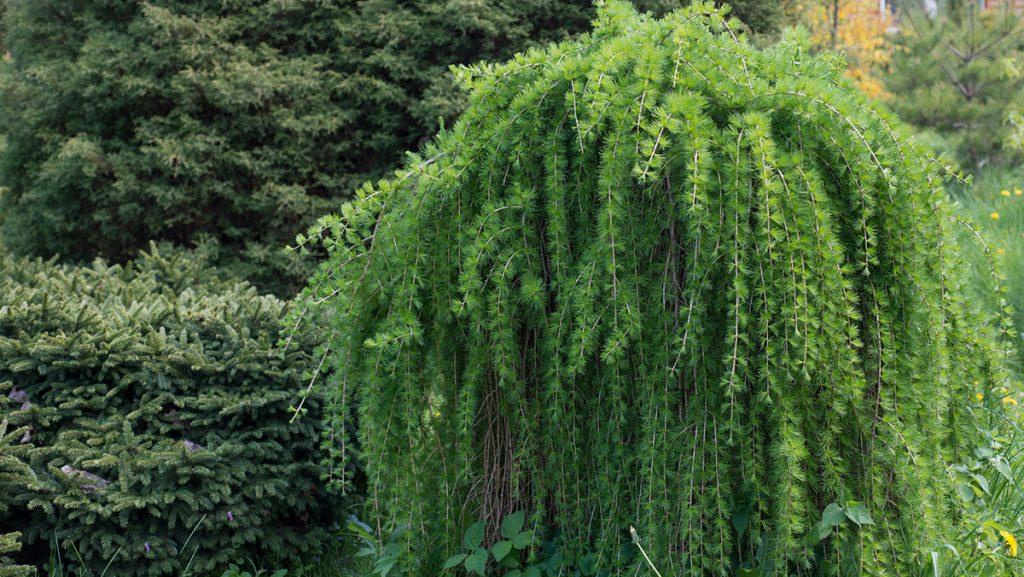
| Description | Graceful, long weeping boughs sway like willows in the breeze, densely packed with large magenta buds that open to perfect double pink flowers in spring. Blooms later than some, making it less prone to bud damage from a late season cold snap. Plant as a focal point or use pairs to frame entries. Deciduous. |
|---|---|
| Bloom Time | Early spring |
| Deciduous/Evergreen | Deciduous |
| Special Features | Easy Care, Fall Color, Attracts Pollinators, Benefits Birds |
| Growth Rate | Slow |
| Growth Habit | Weeping |
| Flower Attributes | Showy Flowers |
| Design Ideas | Few trees can compare with the beauty of the weeping Cherry, a traditional Japanese garden plant that's equally at home in the cottage-garden setting. A gorgeous single specimen that is planted as a focal point in simple surroundings, such as lawn or mat-like groundcover. May also be used in beds and borders. Particularly nice with water gardens and reflection pools, where its weeping form is complementary. Ideal for city landscapes as a front-yard standout. However, it should be protected from hot afternoon sun, drying wind, or prevailing breezes that may disrupt its umbrella-like shape. |
| Flower Color | Pink |
| Foliage Color | Silver-blue |
| Foliage Fall Color | Yellow |
| Companion Plants | Juniper (Juniperus); Dwarf Plumbago (Ceratostigma plumbaginoides); Rose of Sharon (Hibiscus syriacus); Lilac (Syringa); Coneflower (Echinacea) |
| Care Instructions | Prefers slightly acidic, moist, well-drained soils. Water deeply and regularly during the first growing season to establish an extensive root system; reduce frequency, once established. Apply fertilizer before new growth begins in spring. For a tidy, neat appearance, prune annually to shape. |
| History | This extraordinary flowering cherry is native to Japan and is no longer known in the wild. This suggests that the entire species itself could be of garden origin with its roots in P. serrulata or other Asian cherry species both fruiting and flowering. This species was classified by Friedrich Miquel, 1811-1871, a botanist of Urceht, Holland who likely received specimens from Maximiowicz rather than sources in Britain. It was not officially introduced into Europe until 1894.. However, this subspecies 'Pendula' was introduced into Russia much earlier in 1862 by Carl Maximiowicz 1827-1891, of the botanical garden at St. Petersburg. Later it was added to western references under its current designation credited to Japanese horticulturist Yoshio Tanaka, 1838-1916. |
Details
| Description | Graceful, long weeping boughs sway like willows in the breeze, densely packed with large magenta buds that open to perfect double pink flowers in spring. Blooms later than some, making it less prone to bud damage from a late season cold snap. Plant as a focal point or use pairs to frame entries. Deciduous. |
|---|---|
| Bloom Time | Early spring |
| Deciduous/Evergreen | Deciduous |
| Special Features | Easy Care, Fall Color, Attracts Pollinators, Benefits Birds |
| Growth Rate | Slow |
| Growth Habit | Weeping |
| Flower Attributes | Showy Flowers |
Style
| Design Ideas | Few trees can compare with the beauty of the weeping Cherry, a traditional Japanese garden plant that's equally at home in the cottage-garden setting. A gorgeous single specimen that is planted as a focal point in simple surroundings, such as lawn or mat-like groundcover. May also be used in beds and borders. Particularly nice with water gardens and reflection pools, where its weeping form is complementary. Ideal for city landscapes as a front-yard standout. However, it should be protected from hot afternoon sun, drying wind, or prevailing breezes that may disrupt its umbrella-like shape. |
|---|---|
| Flower Color | Pink |
| Foliage Color | Silver-blue |
| Foliage Fall Color | Yellow |
| Companion Plants | Juniper (Juniperus); Dwarf Plumbago (Ceratostigma plumbaginoides); Rose of Sharon (Hibiscus syriacus); Lilac (Syringa); Coneflower (Echinacea) |
Care
| Care Instructions | Prefers slightly acidic, moist, well-drained soils. Water deeply and regularly during the first growing season to establish an extensive root system; reduce frequency, once established. Apply fertilizer before new growth begins in spring. For a tidy, neat appearance, prune annually to shape. |
|---|
History
| History | This extraordinary flowering cherry is native to Japan and is no longer known in the wild. This suggests that the entire species itself could be of garden origin with its roots in P. serrulata or other Asian cherry species both fruiting and flowering. This species was classified by Friedrich Miquel, 1811-1871, a botanist of Urceht, Holland who likely received specimens from Maximiowicz rather than sources in Britain. It was not officially introduced into Europe until 1894.. However, this subspecies 'Pendula' was introduced into Russia much earlier in 1862 by Carl Maximiowicz 1827-1891, of the botanical garden at St. Petersburg. Later it was added to western references under its current designation credited to Japanese horticulturist Yoshio Tanaka, 1838-1916. |
|---|
Retailers Near You
About Us
We have been pioneers and craftsmen in the art of growing plants for 100 years. Since our founding in Southern California by Harry E. Rosedale, Sr. in 1926, we have been absolutely dedicated and obsessed with quality.
We have been pioneers and craftsmen in the art of growing plants for nearly 100 years. Since our founding in Southern California by Harry E. Rosedale, Sr. in 1926, we have been absolutely dedicated and obsessed with quality.