
You're growing in this Zip Code:
Change LocationDiscover Plants for Your Area
Schipka Cherry Laurel
Prunus laurocerasus 'Schipkaensis'
Pronunciation: PROO-nus lar-oh-ser-AY-sus
SKU #06717
LIGHT:
Filtered sun, Partial shade, Partial sun
WATER:
Water when top 2 inches of soil is dry.
SIZE:
Moderate growing; reaches 6 to 10 ft. tall and wide in 10 years.

Retailers Near You
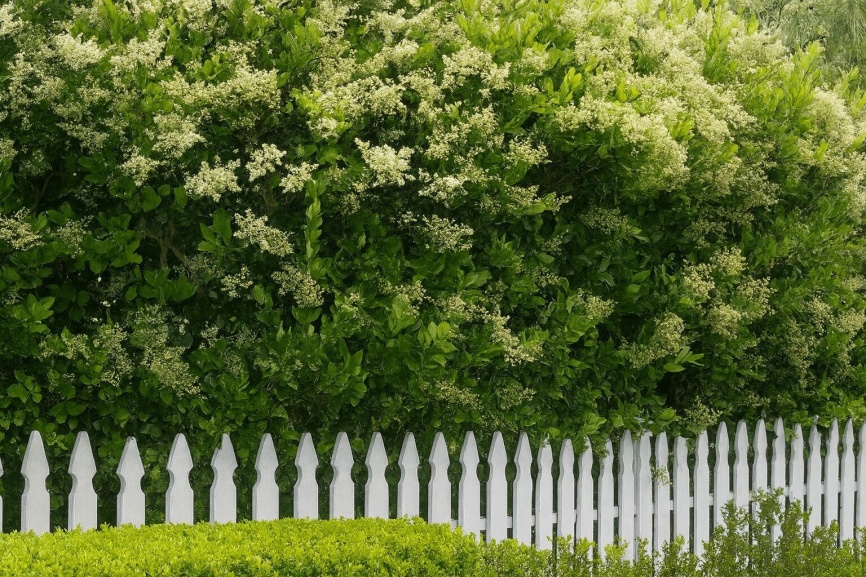

| Description | A handsome upright shrub for woodland gardens with filtered sunlight or dappled shade. Glossy, medium green foliage with a refined look on a dense, vase-shaped form that has a layered appearance. Stalks of fragrant white flowers appear in spring. Hardier than dwarf English laurel. Evergreen. |
|---|---|
| Bloom Time | Spring |
| Deciduous/Evergreen | Evergreen |
| Special Features | Easy Care, Ornamental Berries, Attracts Pollinators, Benefits Birds |
| Problems/Solutions | Coastal Exposure, Dry Shade, Tolerates Urban Pollution, Road Salt Tolerant |
| Growth Rate | Moderate |
| Growth Habit | Vase-Shaped |
| Flower Attributes | Fragrant, Showy Flowers |
| Landscape Use | Border, Hedge, Privacy Screen, Windbreak |
| Design Ideas | Use at the edges of the woodland garden or anywhere it will receive dappled shade. This broadleaf evergreen is good for quickly screening out areas without blocking the view. Plant a row to cover the potting area or the compost pile in the garden. Lower growth tends to be looser, making it well-suited for wider beds with low to medium shrubs planted at the foreground, if the desired effect is dense foliage from top to the ground. |
| Flower Color | White |
| Foliage Color | Green |
| Companion Plants | Euonymus (Euonymus); Spirea (Spiraea); Heavenly Bamboo (Nandina); Holly (Ilex); Lilyturf (Liriope) |
| Care Instructions | Thrives in slightly deep, fertile, moist, humusy, well-drained soil; tolerates poor, sandy, or clay soils. Prefers more sun in cool climates, more shade in warmer areas. Water deeply, regularly in first growing season to establish root system. Once established, reduce frequency; tolerates dry shade. Feed in early spring. Prune after flowering to shape. |
| History | This cultivar was discovered on or near the Schipka mountain pass in Bulgaria, giving it the name 'Schipkaensis', noted for distinctively upright and wide-spreading form, and smaller leaves than the species, Prunus laurocerasus. |
Details
| Description | A handsome upright shrub for woodland gardens with filtered sunlight or dappled shade. Glossy, medium green foliage with a refined look on a dense, vase-shaped form that has a layered appearance. Stalks of fragrant white flowers appear in spring. Hardier than dwarf English laurel. Evergreen. |
|---|---|
| Bloom Time | Spring |
| Deciduous/Evergreen | Evergreen |
| Special Features | Easy Care, Ornamental Berries, Attracts Pollinators, Benefits Birds |
| Problems/Solutions | Coastal Exposure, Dry Shade, Tolerates Urban Pollution, Road Salt Tolerant |
| Growth Rate | Moderate |
| Growth Habit | Vase-Shaped |
| Flower Attributes | Fragrant, Showy Flowers |
Style
| Landscape Use | Border, Hedge, Privacy Screen, Windbreak |
|---|---|
| Design Ideas | Use at the edges of the woodland garden or anywhere it will receive dappled shade. This broadleaf evergreen is good for quickly screening out areas without blocking the view. Plant a row to cover the potting area or the compost pile in the garden. Lower growth tends to be looser, making it well-suited for wider beds with low to medium shrubs planted at the foreground, if the desired effect is dense foliage from top to the ground. |
| Flower Color | White |
| Foliage Color | Green |
| Companion Plants | Euonymus (Euonymus); Spirea (Spiraea); Heavenly Bamboo (Nandina); Holly (Ilex); Lilyturf (Liriope) |
Care
| Care Instructions | Thrives in slightly deep, fertile, moist, humusy, well-drained soil; tolerates poor, sandy, or clay soils. Prefers more sun in cool climates, more shade in warmer areas. Water deeply, regularly in first growing season to establish root system. Once established, reduce frequency; tolerates dry shade. Feed in early spring. Prune after flowering to shape. |
|---|
History
| History | This cultivar was discovered on or near the Schipka mountain pass in Bulgaria, giving it the name 'Schipkaensis', noted for distinctively upright and wide-spreading form, and smaller leaves than the species, Prunus laurocerasus. |
|---|
Retailers Near You
About Us
We have been pioneers and craftsmen in the art of growing plants for 100 years. Since our founding in Southern California by Harry E. Rosedale, Sr. in 1926, we have been absolutely dedicated and obsessed with quality.
We have been pioneers and craftsmen in the art of growing plants for nearly 100 years. Since our founding in Southern California by Harry E. Rosedale, Sr. in 1926, we have been absolutely dedicated and obsessed with quality.