
You're growing in this Zip Code:
Change LocationDiscover Plants for Your Area
Kilmarnock Willow
Salix caprea 'Kilmarnock'
Pronunciation: SAY-liks KAP-ree-a
SKU #07046
LIGHT:
Full sun
WATER:
Keep soil moist to wet.
SIZE:
Moderate growing to 8 ft. tall, 6 ft. wide; larger with age.

Retailers Near You
| Description | This small, umbrella-shaped tree adds a graceful and attractive element to the small garden or lawn. The pussy willow buds start yellow then fade to gray and precede foliage each spring. Cut stems with buds add wonderful texture to winter flower arrangements. Deciduous. |
|---|---|
| Bloom Time | Early spring |
| Deciduous/Evergreen | Deciduous |
| Special Features | Fall Color |
| Problems/Solutions | Very Wet Areas, Black Walnut Tolerant, Road Salt Tolerant |
| Growth Rate | Moderate |
| Growth Habit | Weeping |
| Flower Attributes | Flowers for Cutting, Showy Flowers |
| Design Ideas | An exceptional form to create focal points and emphasize other positions in the garden. Grow adjacent to water gardens and stream beds to suggest the weeping willow on a much smaller scale. Grow in a children's garden to create private space beneath. Exceptionally romantic cottage garden accent as center point for more colorful planting. |
| Flower Color | Yellow |
| Foliage Color | Green |
| Foliage Fall Color | Yellow |
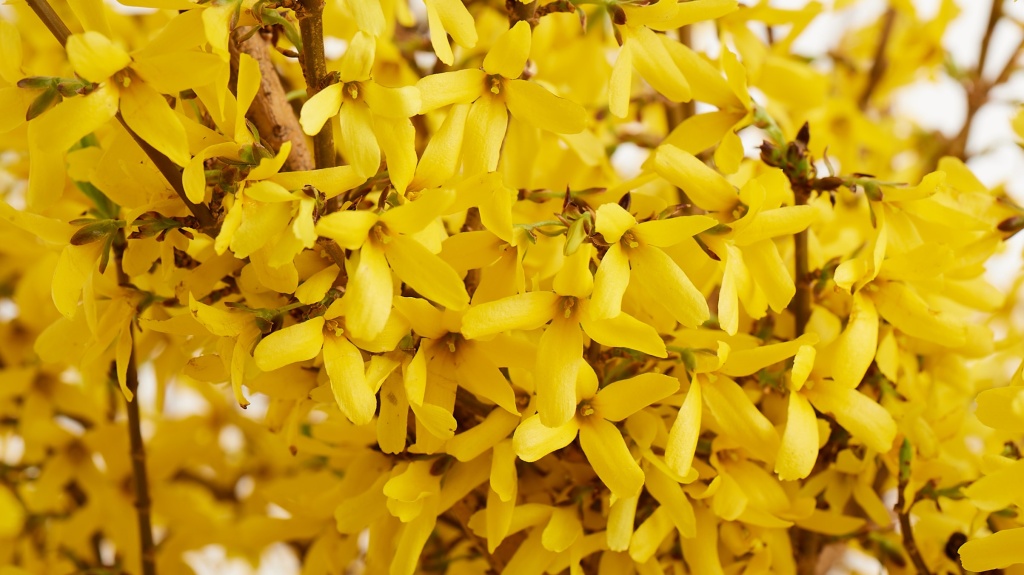
| Companion Plants | Forsythia (Forsythia); Bee Balm (Monarda); Turtlehead (Chelone); Winterberry (Ilex verticillata); Iris (Iris) |
| Care Instructions | Prefers humus-rich, evenly moist soils; adapts well to constantly wet sites. Water deeply and regularly during the first growing season to establish an extensive root system; once established, water as needed to maintain wet or moist soil. Apply a general purpose fertilizer before new growth begins in spring. Prune only as needed to shape. |
| History | The willow genus, Salix, contains hundreds of species found the world over. This species is known as goat willow and named from the Latin for these animals. It is native to Europe and this weeping form is considered superior to the standard upright growing species. It was first discovered on the banks of the Ayr in the 19th Century, classified and propagated by British horticulturist, Thomas Lang of Kilmarnock. |
| Lore | This species is not only attractive in form but it offers florist quality pussy willow cuttings in spring. |
Details
| Description | This small, umbrella-shaped tree adds a graceful and attractive element to the small garden or lawn. The pussy willow buds start yellow then fade to gray and precede foliage each spring. Cut stems with buds add wonderful texture to winter flower arrangements. Deciduous. |
|---|---|
| Bloom Time | Early spring |
| Deciduous/Evergreen | Deciduous |
| Special Features | Fall Color |
| Problems/Solutions | Very Wet Areas, Black Walnut Tolerant, Road Salt Tolerant |
| Growth Rate | Moderate |
| Growth Habit | Weeping |
| Flower Attributes | Flowers for Cutting, Showy Flowers |
Style
| Design Ideas | An exceptional form to create focal points and emphasize other positions in the garden. Grow adjacent to water gardens and stream beds to suggest the weeping willow on a much smaller scale. Grow in a children's garden to create private space beneath. Exceptionally romantic cottage garden accent as center point for more colorful planting. |
|---|---|
| Flower Color | Yellow |
| Foliage Color | Green |
| Foliage Fall Color | Yellow |
| Companion Plants | Forsythia (Forsythia); Bee Balm (Monarda); Turtlehead (Chelone); Winterberry (Ilex verticillata); Iris (Iris) |
Care
| Care Instructions | Prefers humus-rich, evenly moist soils; adapts well to constantly wet sites. Water deeply and regularly during the first growing season to establish an extensive root system; once established, water as needed to maintain wet or moist soil. Apply a general purpose fertilizer before new growth begins in spring. Prune only as needed to shape. |
|---|
History
| History | The willow genus, Salix, contains hundreds of species found the world over. This species is known as goat willow and named from the Latin for these animals. It is native to Europe and this weeping form is considered superior to the standard upright growing species. It was first discovered on the banks of the Ayr in the 19th Century, classified and propagated by British horticulturist, Thomas Lang of Kilmarnock. |
|---|---|
| Lore | This species is not only attractive in form but it offers florist quality pussy willow cuttings in spring. |
Retailers Near You
About Us
We have been pioneers and craftsmen in the art of growing plants for 100 years. Since our founding in Southern California by Harry E. Rosedale, Sr. in 1926, we have been absolutely dedicated and obsessed with quality.
We have been pioneers and craftsmen in the art of growing plants for nearly 100 years. Since our founding in Southern California by Harry E. Rosedale, Sr. in 1926, we have been absolutely dedicated and obsessed with quality.